Nurturing Lasting Relationships
Understanding Attachment Theory
The Roots of Connection
Our earliest relationships are like a blueprint. They create a pattern for how we connect with others throughout our lives. This is the core idea behind attachment theory, developed by psychologist John Bowlby in the mid-20th century. He was curious about the intense distress infants feel when separated from their parents.
Bowlby proposed that humans have an innate need to form strong emotional bonds with caregivers. This isn't just about food or shelter; it's a fundamental survival mechanism. A child who stays close to a caregiver is more likely to be safe, protected, and cared for. This bond, or attachment, gives the child a secure base from which to explore the world.
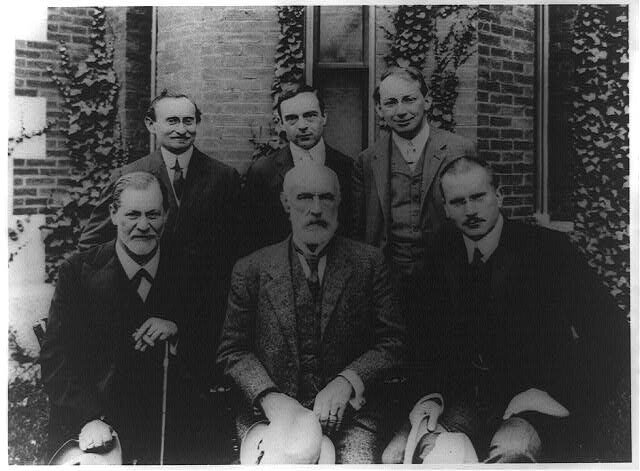
Later, psychologist Mary Ainsworth expanded on Bowlby's work with her groundbreaking "Strange Situation" study. By observing how toddlers responded to being left alone and then reunited with their mothers, she identified distinct patterns of attachment. These patterns, or attachment styles, revealed how children balance the need for safety with the desire to explore. And as it turns out, these early styles often carry over into our adult romantic relationships.
What's Your Style?
Most people fall into one of three main attachment styles. These categories aren't rigid boxes, but they offer a useful way to understand our relational tendencies, especially when we feel stressed or vulnerable.
| Attachment Style | View of Self & Others | In a Relationship... |
|---|---|---|
| Secure | Positive view of self and others. | Feels comfortable with intimacy and interdependence. Trusts partner. |
| Anxious | Negative view of self, positive view of others. | Craves closeness, worries about partner's love, fears abandonment. |
| Avoidant | Positive view of self, negative view of others. | Highly independent, uncomfortable with closeness, avoids emotional intimacy. |
In a partnership, these styles play out in predictable ways. A person with a secure attachment finds it relatively easy to get close to others. They are comfortable depending on their partner and having their partner depend on them. They don't worry much about being abandoned or about someone getting too close.
Someone with an anxious attachment style often craves more intimacy than their partner can provide. They might feel insecure and worry that their partner doesn't truly love them. This can lead to clinginess or demanding behavior, driven by a deep-seated fear of being left alone.
On the other hand, a person with an avoidant attachment style values independence and self-sufficiency above all. They may feel uncomfortable with too much closeness and can seem emotionally distant. They might pull away when a partner tries to get closer, not because they don't care, but because intimacy feels threatening.
Knowing why we relate the way we do in relationships – basically our own attachment style – allows us to manage them better as adults.
There's also a fourth, less common style called disorganized (or fearful-avoidant) attachment, which blends the desires and fears of both the anxious and avoidant styles. A person with this style may simultaneously want emotional intimacy and feel terrified of it.
Building a Secure Base
Your attachment style isn't a life sentence. While our early experiences are powerful, new relationships can reshape our internal blueprint. The goal is to move toward a more secure attachment, where we can trust others and feel worthy of love. This is often called earning security.
One of the first steps is simply recognizing your own patterns. When you feel upset in your relationship, what is your automatic reaction? Do you seek reassurance (anxious), or do you pull away and shut down (avoidant)? Understanding your tendencies is crucial for changing them.
Developing a secure attachment in adulthood often involves building self-awareness and learning to communicate your needs more directly. It also means choosing partners who are capable of providing a secure base. A relationship with a securely attached person can be incredibly healing, as they can model trust, emotional availability, and healthy interdependence.
Ready to test your knowledge?
Who is the psychologist credited with originally developing attachment theory?
Mary Ainsworth's groundbreaking study, which involved observing toddlers' reactions to being left alone and then reunited with their mothers, is called the:
Understanding attachment theory provides a powerful lens for viewing your relationships. It helps explain why you feel and act the way you do, and offers a path toward building more fulfilling connections.