Nursery and Garden Center Operations
Nursery Infrastructure
Choosing the Right Spot
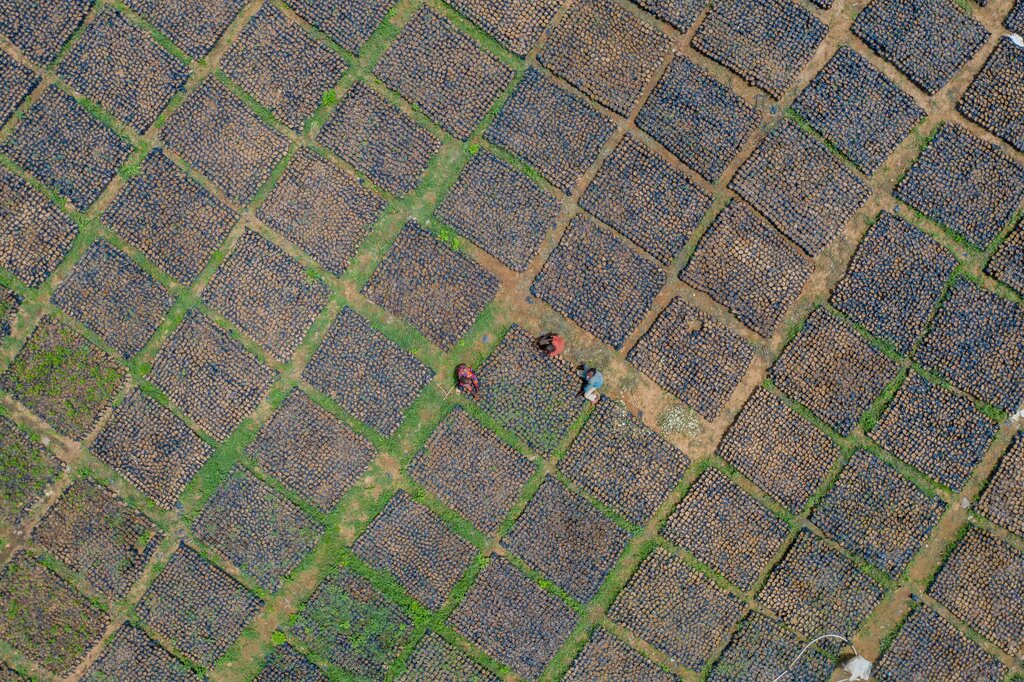
The success of a nursery starts before you even plant a seed. It begins with the land itself. Selecting the right site is a critical first step that influences everything from plant health to operational efficiency.
Look for a location with good sunlight. Most nursery plants need at least six hours of direct sun per day. An open, south-facing area is often ideal. However, consider if you'll grow shade-loving plants, as you might need a spot with large trees or the ability to install shade cloth.
Water is another crucial element. You'll need a reliable source for irrigation. Proximity to a well or municipal water line is important. Also, evaluate the land's drainage. Poor drainage leads to waterlogged soil, which can cause root rot and other diseases. A gentle slope is beneficial, as it allows excess water to run off naturally without eroding your soil.
Finally, think about wind. Strong, persistent winds can damage young plants and dry them out quickly. If the site is exposed, you may need to plan for a windbreak, like a row of trees or a fence, to protect your stock.
Greenhouse Design
A greenhouse gives you a controlled space to propagate seedlings, grow plants out of season, and protect them from harsh weather. The design you choose depends on your budget, climate, and what you plan to grow.
The frame provides the structure. Common materials include wood, which is affordable but requires maintenance; PVC pipe, which is inexpensive and easy for DIY projects; and metal (steel or aluminum), which is strong and durable. The frame's shape also matters. A-frame designs shed snow well, while hoop houses, with their curved roofs, are simple and cost-effective.
The covering, or glazing, lets in light. Glass is traditional, offering high clarity and longevity, but it's expensive and fragile. Polycarbonate panels are a popular alternative. They are strong, offer good insulation, and diffuse light well, which prevents scorching. For a more budget-friendly option, polyethylene film is lightweight and easy to install, though it needs to be replaced every few years.
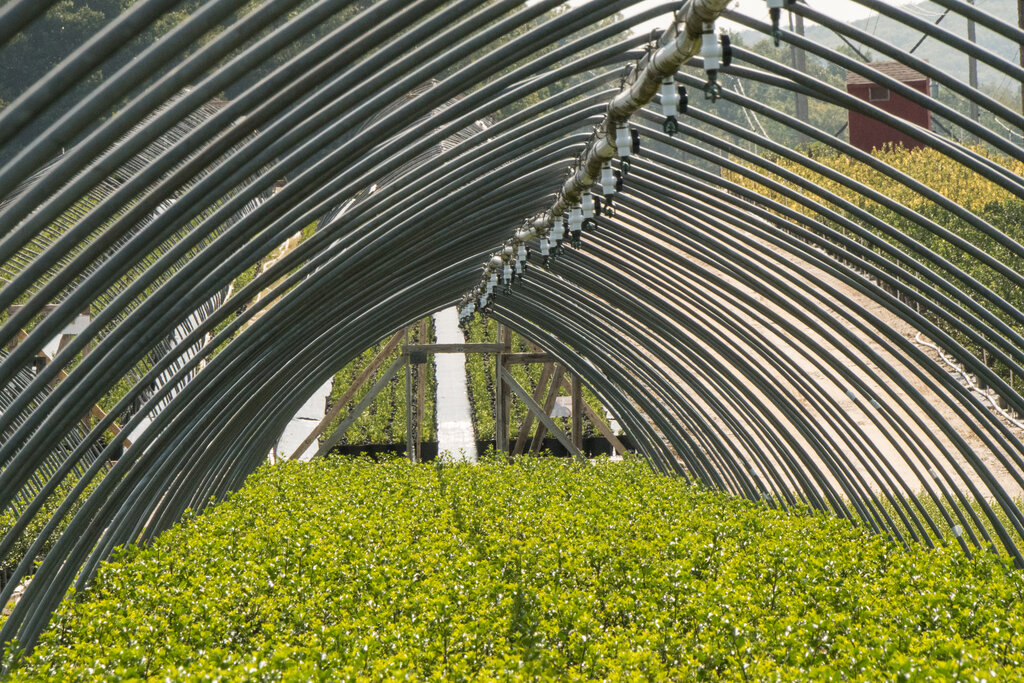
When you build, orient the greenhouse to maximize sunlight. In northern latitudes, an east-west orientation captures the most light during winter. Basic ventilation is also key. Even a simple design should include roof vents or side panels that can be rolled up to allow hot air to escape and prevent overheating.
Smart Storage
A well-run nursery is an organized one. Having dedicated storage areas for your tools, supplies, and chemicals is essential for efficiency and safety. A cluttered workspace slows you down and can create hazards.
A simple shed or designated building can house hand tools, wheelbarrows, and small equipment. This keeps them dry and secure. Bulk materials like soil, compost, and pots need a covered area to protect them from rain. A three-sided structure or a designated bay in a larger building works well.
Chemical storage requires special attention. Pesticides, herbicides, and fertilizers should be kept in a separate, locked, and well-ventilated area. This prevents accidental exposure and contamination of soil or water supplies. The storage cabinet or room should be clearly labeled, and an inventory list should be kept nearby.
Always store chemicals in their original containers and on shelves that are off the floor to prevent spills and water damage.
Pathways and Access
How you, your staff, and your customers move through the nursery is a matter of both convenience and safety. Well-planned pathways and roadways make daily tasks easier and create a more pleasant experience for visitors.
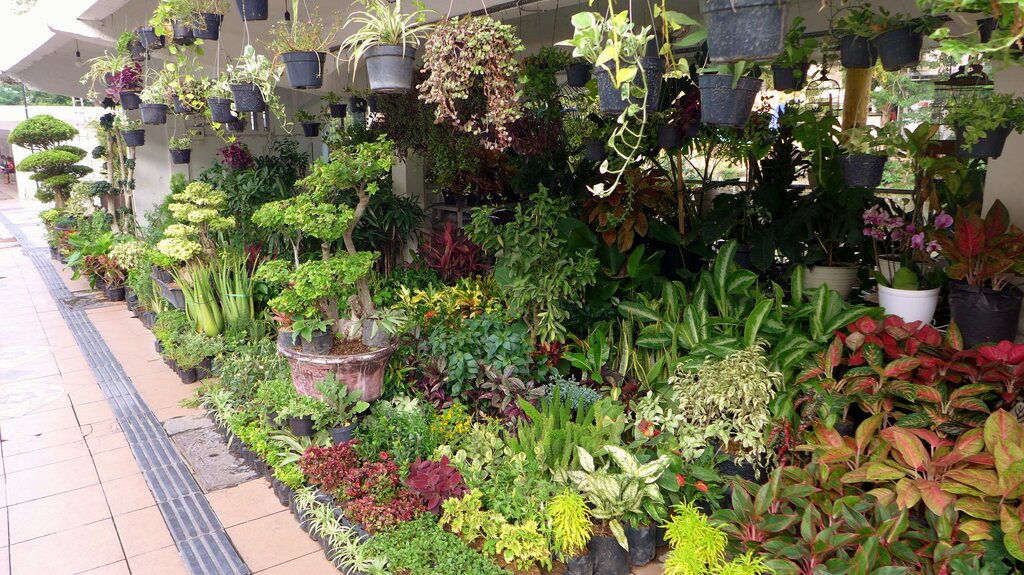
Main pathways should be wide enough for a wheelbarrow or garden cart to pass comfortably. For larger operations, roadways must accommodate trucks and machinery. Consider the surface material. Gravel is a common, inexpensive choice that provides good drainage. Pavers or concrete are more durable and provide a smoother surface, which is better for rolling carts and accessibility, but they cost more.
Proper maintenance is ongoing. Keep paths clear of debris, weeds, and equipment. In colder climates, have a plan for snow and ice removal. Good pathways not only improve workflow but also reduce the risk of trips and falls, making the entire nursery a safer place to be.
When selecting a site for a new nursery, which factor is most important for preventing root rot and other diseases in plants?
You're building a greenhouse on a tight budget and need a lightweight covering that's easy to install, even though you know it will need replacing every few years. Which material is the best choice?
Building a solid foundation for your nursery ensures your plants and your business can thrive.