Numerical Study of Pool Boiling Heat Transfer Enhancement with CTAC Surfactants
Introduction to Pool Boiling
What is Pool Boiling?
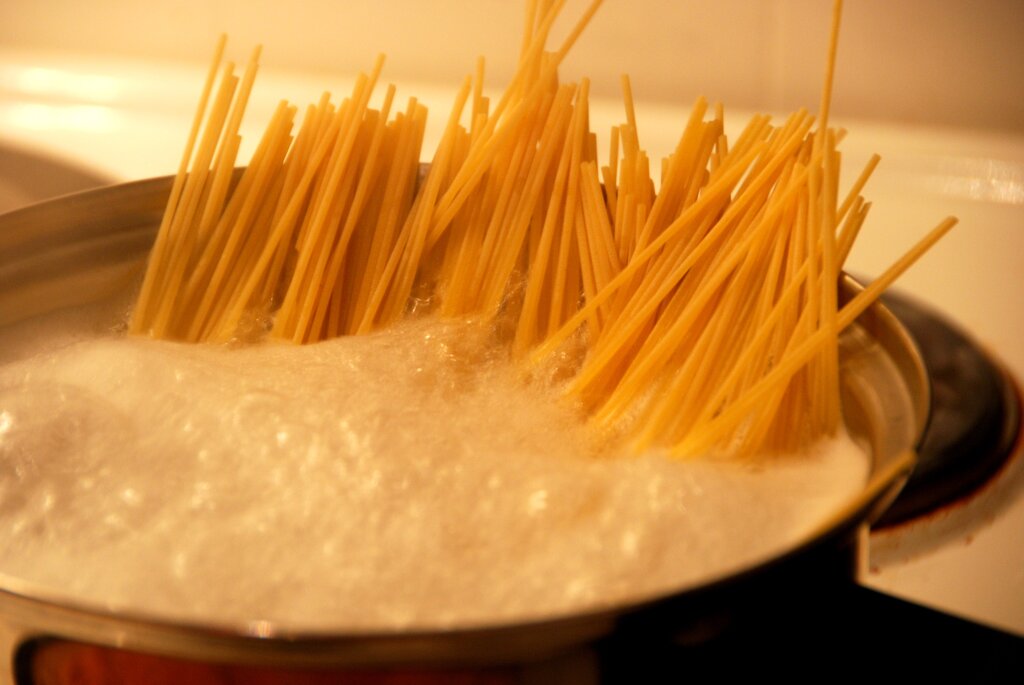
When you heat a liquid, it doesn't just get warmer—at a certain point, it starts to boil. Pool boiling happens when a heated surface is submerged in a large volume of liquid that is otherwise still. The most common example is a pot of water on a stove. The stove burner heats the bottom of the pot, and the pot heats the still water inside until it boils.
This process is crucial in many industrial applications, from power plants and chemical reactors to cooling electronics. The key is understanding how efficiently heat moves from the surface to the liquid. This relationship isn't straightforward. As the surface gets hotter compared to the liquid's boiling point, the way the liquid boils changes dramatically.
We can visualize this relationship with a "boiling curve," which plots the heat flux (the rate of heat transfer from the surface) against the excess temperature. The excess temperature is the difference between the surface temperature () and the liquid's boiling (or saturation) temperature ().
The Four Boiling Regimes
Boiling doesn't happen all at once. As the surface temperature increases, the liquid goes through four distinct phases, or regimes.
1. Natural Convection Boiling Before true boiling begins, the liquid near the hot surface warms up, becomes less dense, and rises. Cooler, denser liquid moves in to take its place, creating a gentle circulation. You can see this as shimmering currents in a pot of water just before it simmers. Heat transfer is relatively low in this phase.
2. Nucleate Boiling This is where things get interesting. As the surface gets hotter, tiny bubbles of vapor start to form at specific spots called nucleation sites. These are often microscopic imperfections on the surface like scratches or cavities that trap gas.
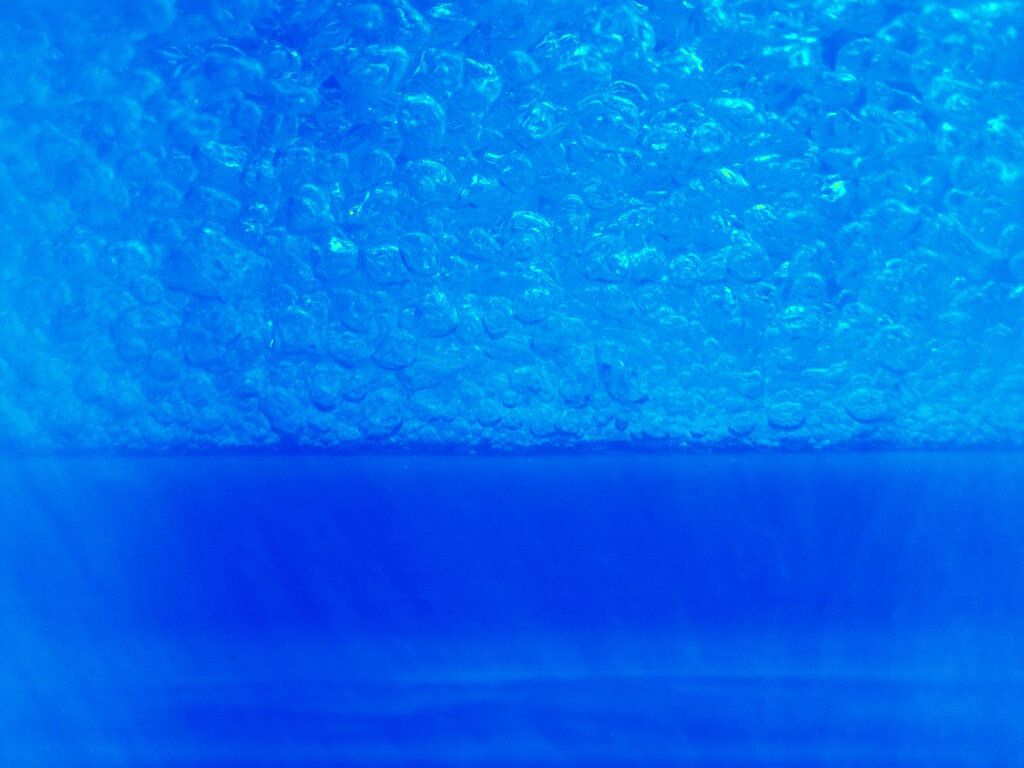
At first, the bubbles form and collapse. As the temperature rises further, they grow, detach from the surface, and rise through the liquid. This vigorous bubble activity is extremely effective at transferring heat away from the surface. In fact, the rate of heat transfer is highest in the nucleate boiling regime. Most industrial boiling applications are designed to operate here.
3. Transition Boiling If the surface temperature continues to rise past a certain point, called the Critical Heat Flux (CHF), something strange happens: the heat transfer rate actually goes down. In this unstable regime, parts of the surface become covered with a film of vapor, which acts as an insulator. The surface alternates between being wetted by liquid (high heat transfer) and covered by vapor (low heat transfer).
4. Film Boiling At very high surface temperatures, the insulating vapor film becomes stable and covers the entire surface. This is called film boiling. Because the vapor layer is a poor conductor of heat, the heat transfer rate is much lower than in nucleate boiling. This phenomenon is also known as the Leidenfrost effect. It’s why water droplets seem to skitter and dance across a very hot skillet—they are floating on a cushion of their own vapor.
What Affects Boiling?
The exact shape of the boiling curve and the efficiency of the heat transfer depend on several factors.
| Factor | Effect on Boiling |
|---|---|
| Surface Characteristics | Rougher surfaces with more pits and scratches provide more nucleation sites, which promotes nucleate boiling and increases heat transfer. The material of the surface and its cleanliness also play a role. |
| Liquid Properties | Properties like surface tension, viscosity, density, and thermal conductivity all influence how bubbles form and how heat moves through the liquid. For example, liquids with lower surface tension tend to boil more easily. |
| Operating Conditions | The pressure of the system has a major impact. At higher altitudes, where atmospheric pressure is lower, water boils at a lower temperature. Conversely, increasing the pressure (like in a pressure cooker) raises the boiling point. |
Understanding these regimes and the factors that influence them allows engineers to design systems that can either maximize heat transfer for efficiency or avoid dangerous conditions where a sudden drop in heat transfer could cause overheating.
What is the defining characteristic of pool boiling?
A standard boiling curve plots the heat flux from a surface against what other variable?