Nuclear VFX Creation
Introduction to VFX
What Are Visual Effects?
Visual effects, or VFX, are the magic tricks of modern media. They are any images created or manipulated for a film or video game that weren't shot during live-action filming. Think of a superhero flying through the sky or a dragon breathing fire. Those moments weren't captured with a regular camera; they were crafted by VFX artists.
The goal of VFX is to make the impossible look real, blending seamlessly with the live footage. It can be something as grand as a collapsing skyscraper or as subtle as removing a microphone that accidentally appeared in the shot.
This isn't a new idea. Filmmakers have been using visual tricks since the early 1900s. Early techniques involved clever camera work, miniature models, and painting backgrounds on glass to create illusions. The core idea has always been the same: to tell stories that are bigger than what we can build or film in the real world. Over time, the tools have just gotten a lot more powerful.
Practical vs. Digital
VFX can be broken down into two main categories: practical and digital. Each has its own strengths and is often used in combination.
Practical Effects are physical. They are tangible things that are filmed by the camera on set. This includes everything from miniature models of cities, controlled explosions (pyrotechnics), and robotic creatures (animatronics) to specialized makeup and prosthetics.
Digital Effects, on the other hand, are created inside a computer. This is often what people mean when they say CGI, or Computer-Generated Imagery. Digital effects artists use software to build characters, environments, and phenomena like water, fire, and smoke from scratch. They can also manipulate live-action footage, a process called compositing.
Compositing
verb
The process of combining visual elements from separate sources into single images, often to create the illusion that all those elements are parts of the same scene.
Think of an actor performing in front of a bright green screen. A compositor's job is to replace that green background with a new, digitally created environment, like a distant planet or a historical city. They make sure the lighting, shadows, and colors all match perfectly so the final shot looks believable.
The Role in Film and Games
In film, VFX has become a fundamental storytelling tool. It allows directors to build entire worlds that could never exist, from the fantasy landscapes of The Lord of the Rings to the futuristic cities in Blade Runner. But it's not always about grand spectacle. VFX is also used for invisible fixes, like removing safety wires from a stunt performer's harness or digitally erasing a modern building from a period drama.
In video games, VFX is just as crucial. Every magical spell, explosion, and shimmering portal is a visual effect designed to immerse the player in the game's world. These effects provide important feedback, letting players know if their attack landed or if their character has a special status. Unlike in film, where effects are pre-rendered into a final video, game VFX must often happen in real-time, responding instantly to the player's actions.
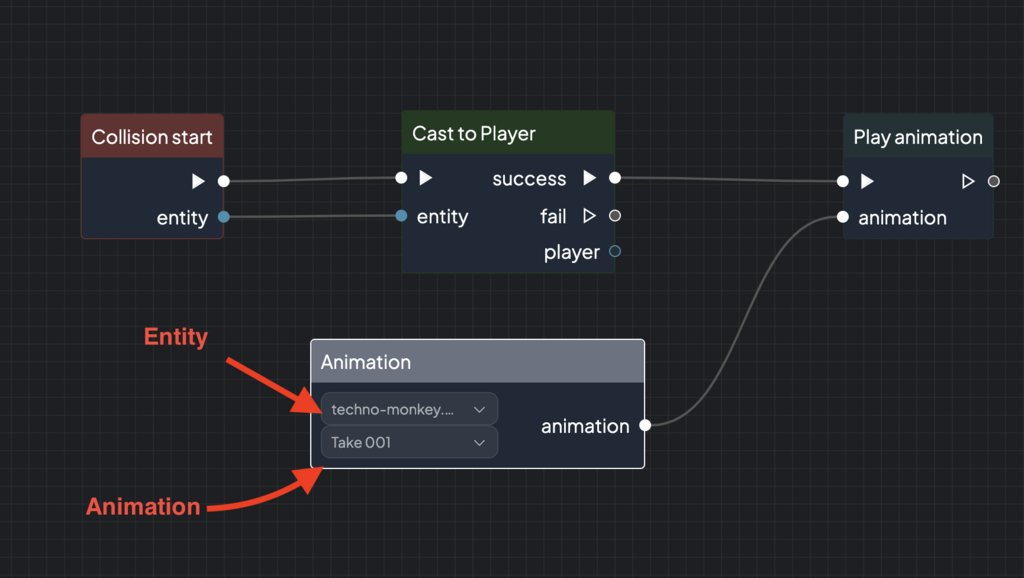
This real-time nature means that game VFX artists have to be incredibly efficient, creating stunning visuals that don't slow down the game's performance. They build systems of particles, shaders, and animations that can be triggered and combined in countless ways during gameplay.
Ready to check your understanding? This quiz covers the core ideas we've discussed about visual effects.
What is the main purpose of visual effects in media?
An actor is filmed in front of a green screen, and later, a digital background of a medieval castle is added. What is this specific VFX process called?
Understanding these basics is the first step. VFX is a blend of art and technology used to bring imaginative ideas to life on screen.