Nuclear Power Generation Explained
Introduction to Nuclear Power
Splitting Atoms for Electricity
At its heart, a nuclear power plant is a giant steam engine. It works a lot like a coal or gas plant: it heats water into steam, that steam spins a giant fan called a turbine, and the turbine drives a generator to make electricity. The key difference is the heat source. Instead of burning fossil fuels, a nuclear plant splits atoms to generate incredible amounts of heat.
This process of splitting an atom's nucleus into smaller parts is called nuclear fission.
The fuel used in most nuclear reactors is uranium. Specifically, an isotope called Uranium-235. The nucleus of a Uranium-235 atom is large and relatively unstable. When a tiny particle called a neutron strikes the nucleus, it's enough to push it over the edge. The nucleus splits apart into two smaller atoms, releasing a burst of energy and two or three additional neutrons.
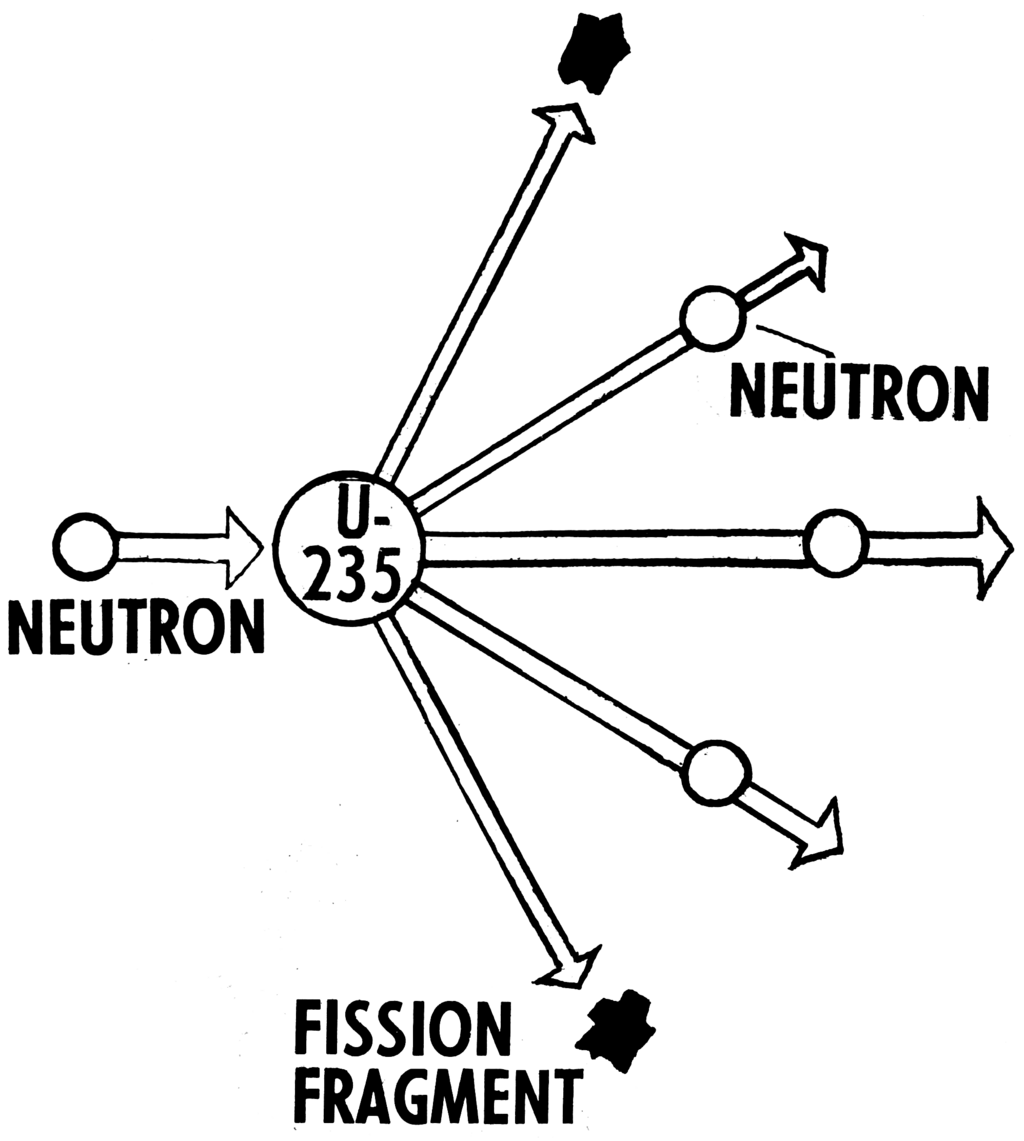
Those newly released neutrons can then fly off and strike other nearby uranium atoms, causing them to split as well. This creates a self-sustaining chain reaction, with each fission event triggering more fission events. This reaction releases an enormous amount of energy in the form of heat.
From Heat to Horsepower
So, how does this atomic-level process power a city? All the heat generated by the chain reaction is captured. In the most common type of reactor, this heat is used to boil water, creating high-pressure steam.
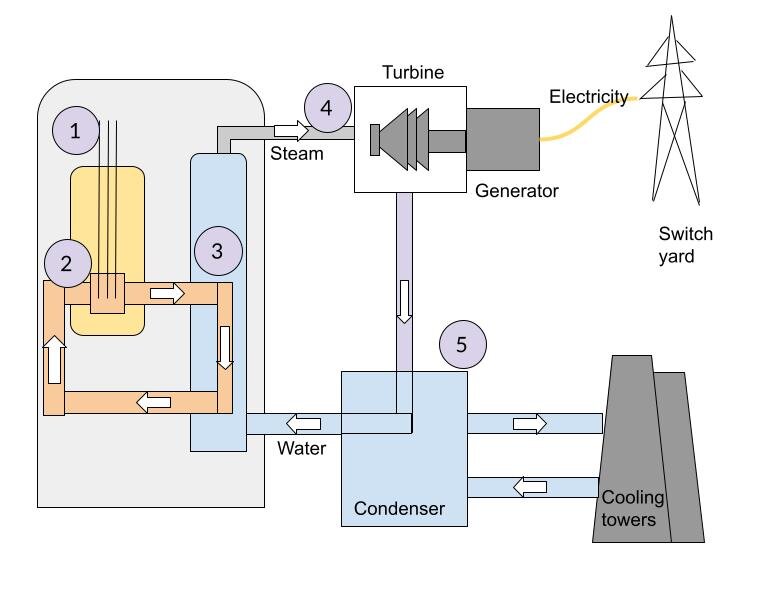
This steam is channeled through pipes to spin the blades of a turbine. The turbine is connected to a generator, which is essentially a machine that converts motion into electrical energy. As the turbine spins, so does the generator, producing a steady flow of electricity that is sent out to the power grid.
After passing through the turbine, the steam needs to be cooled back into water so it can be reused. This is often the job of the large, curved cooling towers you see at power plants. They release harmless water vapor into the air as part of this cooling process.
The Role of Uranium
Uranium is the primary fuel for nuclear reactors because its atoms are easily split. It's a naturally occurring, heavy metal found in rocks all over the world. However, only a specific type, or isotope, of uranium called Uranium-235 (U-235) is fissile—meaning it can sustain a chain reaction.
Natural uranium is mostly made up of a different isotope, Uranium-238, which doesn't fission easily. To be used as fuel, the uranium must be 'enriched' to increase the concentration of U-235. This enriched uranium is then formed into small ceramic pellets, each about the size of a gummy bear.
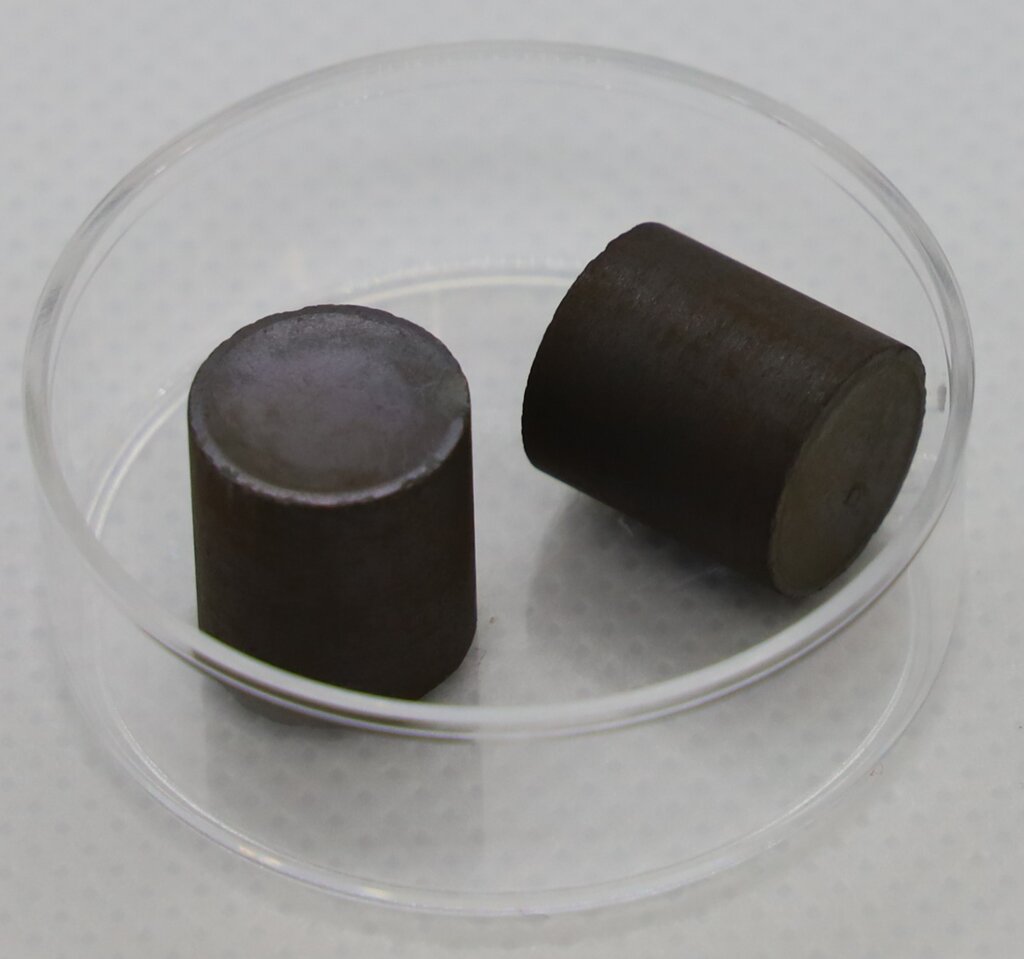
These pellets are stacked inside long metal tubes to form fuel rods. The rods are then bundled together into what's called a fuel assembly. Hundreds of these assemblies are loaded into the reactor core, where the fission process takes place. It's the controlled chain reaction within these fuel rods that generates the heat needed to produce electricity for years at a time.
Time to check your understanding of these core concepts.
What is the primary function of the nuclear fission reaction within a power plant?
What particle initiates and sustains the chain reaction by striking uranium nuclei?