Nuclear Power Explained
Introduction to Nuclear Power
What Is Nuclear Power?
Nuclear power is a method of generating electricity by harnessing the energy stored inside atoms. At its core, a nuclear power plant is a large-scale heat engine. Instead of burning fossil fuels like coal or natural gas, it uses a process called nuclear fission to produce an immense amount of heat.

This heat is used to boil water, creating high-pressure steam. The steam then spins a large fan-like structure called a turbine, which is connected to a generator. As the generator spins, it produces electricity. This part of the process is nearly identical to how many other power plants work. The key difference is the source of the heat.
The main significance of nuclear power is its ability to generate a massive amount of electricity from a very small amount of fuel, all without releasing greenhouse gases like carbon dioxide.
Splitting the Atom
The process that powers a nuclear reactor is called fission. It involves splitting the nucleus, or core, of a heavy atom, such as Uranium-235. To start the process, a neutron is fired at a uranium atom. When the neutron strikes the nucleus, the nucleus becomes unstable and splits apart into two smaller atoms, releasing a few extra neutrons and a tremendous amount of energy in the form of heat.
fission
noun
The act or process of splitting the nucleus of an atom into smaller parts, resulting in the release of a large amount of energy.
The newly released neutrons can then strike other nearby uranium atoms, causing them to split as well. This creates a self-sustaining chain reaction, generating a continuous supply of heat. In a nuclear reactor, this chain reaction is carefully controlled to produce heat at a steady rate.
From Heat to Electricity
So, how does this atomic-level heat get turned into the electricity that powers our homes? The entire process takes place inside the nuclear power plant, which is designed to contain and control the chain reaction safely.
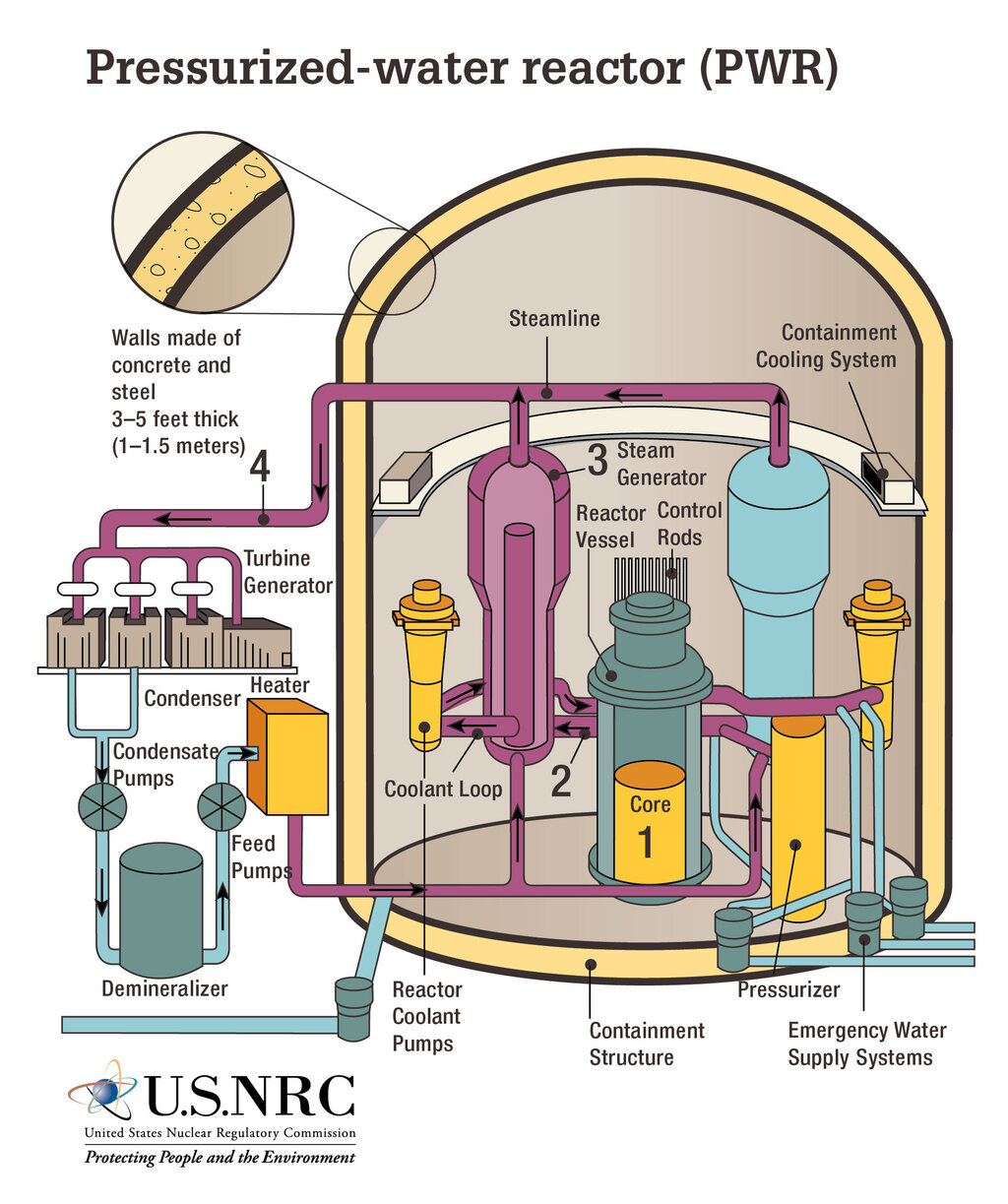
The heart of the plant is the reactor core, where the fuel (usually uranium pellets packed into long rods) is located. The controlled fission chain reaction heats water that is pumped through the core. In the most common type of reactor, this water is kept under high pressure to prevent it from boiling.
This superheated, high-pressure water then flows to a steam generator. There, it transfers its heat to a separate loop of water, causing it to boil and turn into steam. This steam is then piped out of the reactor's containment building to the turbine. After spinning the turbine, the steam is cooled down, condenses back into water, and is pumped back to the steam generator to be used again.
Nuclear Power's Global Role
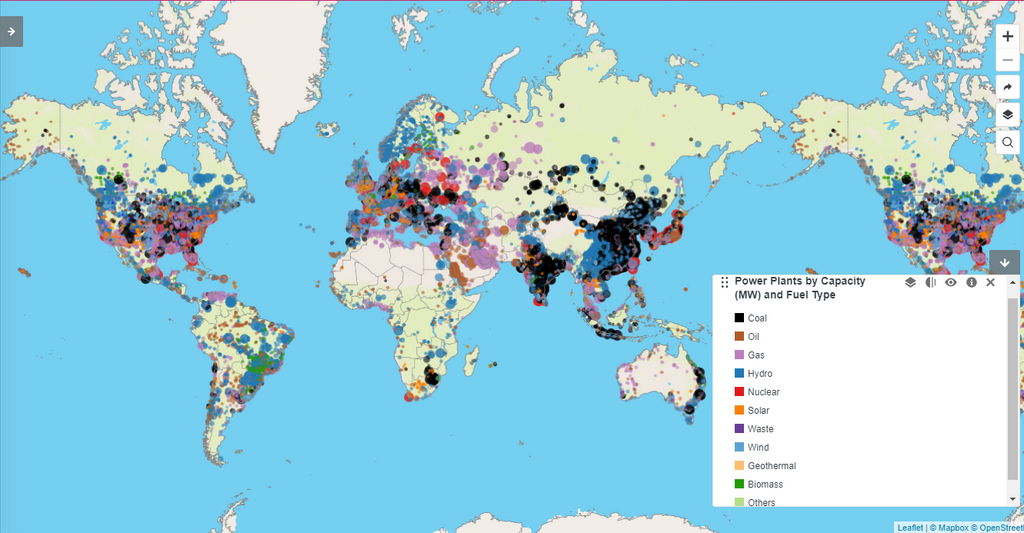
Nuclear power is a major player in the global energy landscape. Dozens of countries around the world operate nuclear power plants, and for some, it's a primary source of electricity. It provides about 10% of the world's electricity and is the second-largest source of low-carbon power, after hydropower.
The main advantage driving its use is its high energy density and low carbon footprint. A single uranium fuel pellet, about the size of a gummy bear, can produce as much energy as a ton of coal. Because the process doesn't involve combustion, it doesn't produce air pollution or carbon dioxide.
However, nuclear power also presents unique challenges. The process creates radioactive waste that must be managed and stored safely for very long periods. While modern plants have multiple layers of safety systems, the potential for accidents remains a public concern. These are complex topics that we'll explore in more detail later.
Ready to check your understanding of the basics?
What is the primary process used in a nuclear power plant to generate heat?
In the most common type of nuclear reactor, what is the direct role of the steam that spins the turbine?
Nuclear power offers a potent, carbon-free energy source by harnessing the power of the atom. While the technology is complex, the basic principle of using heat to make steam and generate electricity is a foundational concept in energy production.