Nuclear Power Explained
Introduction to Nuclear Energy
Energy from the Atom's Core
At the heart of every atom is a nucleus, a dense core packed with energy. Nuclear energy is the power released when we interact with that core. Unlike burning fossil fuels, which involves chemical reactions, nuclear power comes from changing the atom itself.
The main process used to generate this energy is called nuclear fission. It's a powerful way to produce heat, which can then be used to generate electricity.
The Power of Fission
Fission is the process of splitting a large, unstable atom into two smaller ones. In most nuclear reactors, this large atom is a specific type of uranium called Uranium-235 (U).
The process starts when a free-moving neutron strikes a uranium atom's nucleus. This impact makes the nucleus unstable and causes it to split apart. When it splits, it releases a tremendous amount of energy as heat, along with two or three more neutrons.
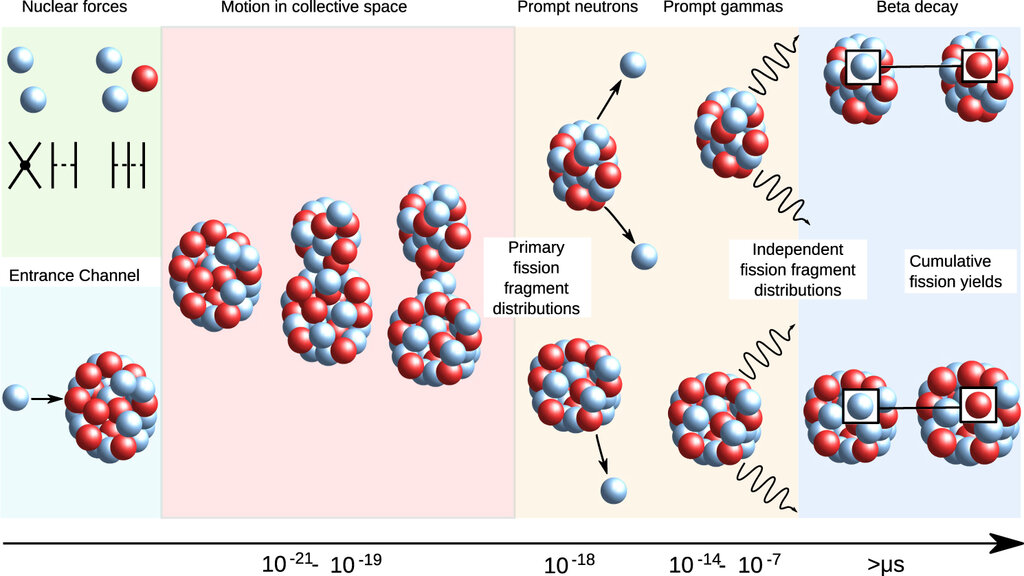
Those newly released neutrons can then fly off and strike other nearby uranium atoms, causing them to split as well. This creates a self-sustaining chain reaction, with each split triggering more splits. This continuous process releases a steady and immense amount of heat from a very small amount of uranium fuel.
From Heat to Electricity
A nuclear power plant is essentially a sophisticated machine for controlling a fission chain reaction and converting the resulting heat into electricity. The core of the plant is the nuclear reactor, where the fission takes place.
Here's how it works:
- Fission Creates Heat: The chain reaction inside the reactor's core generates intense heat.
- Water Boils to Steam: This heat is used to boil water, turning it into high-pressure steam.
- Steam Spins a Turbine: The steam is channeled to a turbine, causing its blades to spin rapidly.
- Generator Makes Electricity: The spinning turbine is connected to a generator. As the turbine spins, so does the generator, producing electricity.
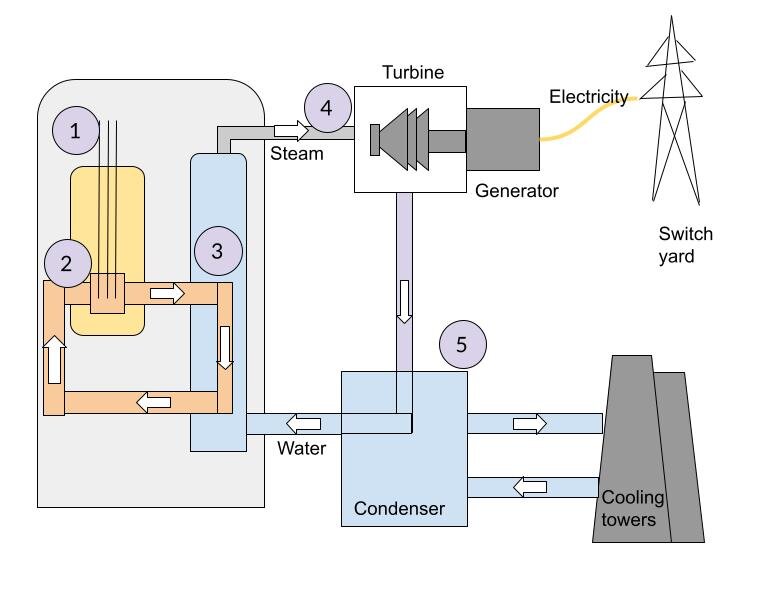
This general process is very similar to how coal or natural gas power plants operate. The key difference is the fuel source used to create the heat. Instead of burning fossil fuels and releasing carbon dioxide, a nuclear plant splits atoms.
Nuclear's Role in the World
Nuclear power is a major player in the global energy landscape. It provides a significant amount of the world's electricity, powering millions of homes and businesses in dozens of countries. Because the fission process does not produce greenhouse gases, it's considered a key source of clean, carbon-free energy.
Nuclear energy is arguably the cleanest zero-emission energy source producing electricity by splitting uranium atoms to create heat that generates steam to spin turbines.
This combination of high energy output from a small amount of fuel and zero carbon emissions makes nuclear energy a unique and important part of conversations about our energy future.
Now, let's review what we've covered.
What is the primary process used in most nuclear power plants to generate heat?
What particle initiates the fission of a Uranium-235 nucleus in a chain reaction?