Nuclear Power Essentials
Introduction to Nuclear Energy
The Atom's Powerhouse
At the heart of every atom is a nucleus, a dense core packed with incredible energy. Nuclear energy is the power released when this core is changed. By manipulating the atom's nucleus, we can unleash a tremendous amount of energy, far more than what's available from chemical reactions like burning coal or gas. There are two primary ways to do this: splitting an atom apart or joining two atoms together.
Fission vs. Fusion
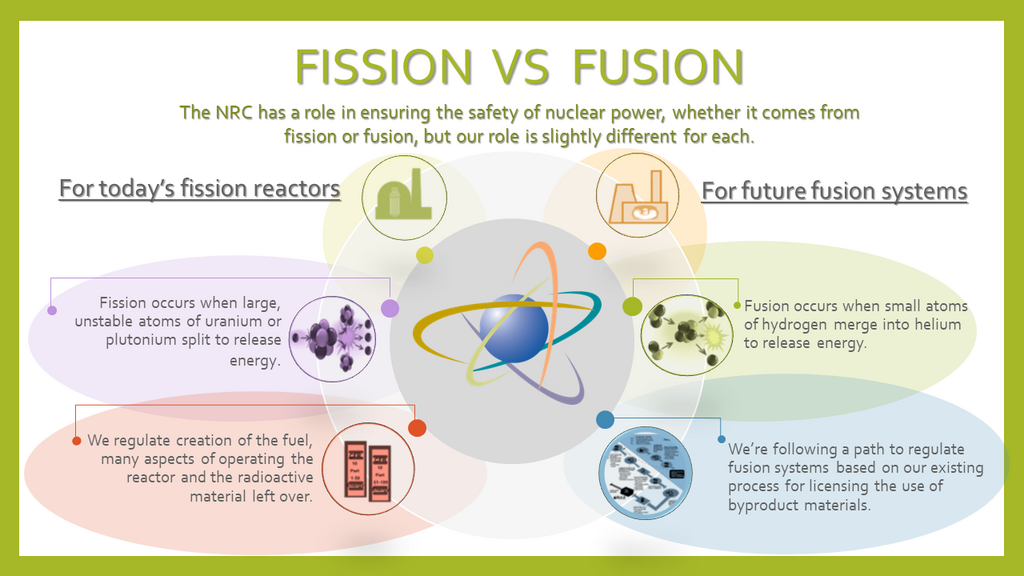
The two methods for releasing nuclear energy are called fission and fusion. They are essentially opposites.
Nuclear Fission is the process of splitting a large, unstable atomic nucleus, like that of uranium, into two smaller nuclei. This split releases a huge amount of energy as heat and radiation. It also releases more neutrons, which can then split other atoms, creating a self-sustaining chain reaction. All current nuclear power plants use fission to generate electricity.
Nuclear Fusion, on the other hand, is the process of combining two light atomic nuclei, like those of hydrogen, to form a heavier nucleus. This process releases even more energy than fission. Fusion is the same reaction that powers the sun and other stars. While scientists are working to harness fusion for power on Earth, it is not yet commercially viable.
How a Nuclear Plant Works
A nuclear power plant is essentially a sophisticated steam engine. Instead of burning fossil fuels to create heat, it uses a controlled nuclear fission reaction. The core components work together to turn atomic energy into electricity for our homes and businesses.
The process starts with the fuel, which is usually uranium. The uranium is formed into small ceramic pellets, and these pellets are stacked into long metal tubes called fuel rods. Bundles of these fuel rods are placed inside a reactor vessel. Within the reactor, a controlled chain reaction of fission begins, generating an immense amount of heat.
This heat is used to boil water and produce high-pressure steam. The steam is then channeled to a turbine, causing its blades to spin rapidly. The spinning turbine is connected to a generator, which converts the mechanical energy of the spinning turbine into electrical energy. Finally, the steam is cooled down in a condenser, turning it back into water to be used again in the cycle.
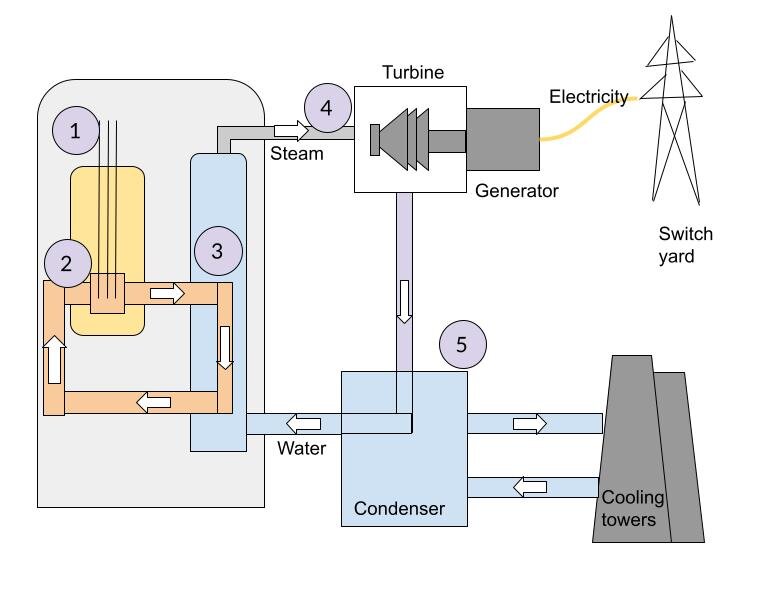
The fundamental principle is simple: use fission to create heat, use the heat to create steam, and use the steam to spin a turbine that generates electricity.
A Global Energy Source
Nuclear power plays a significant role in the world's energy mix. It's a powerful source of electricity that doesn't produce greenhouse gases like carbon dioxide during operation. Because of this, many countries rely on nuclear energy to provide a stable and clean supply of power to their grids, complementing other energy sources like solar, wind, and hydropower.
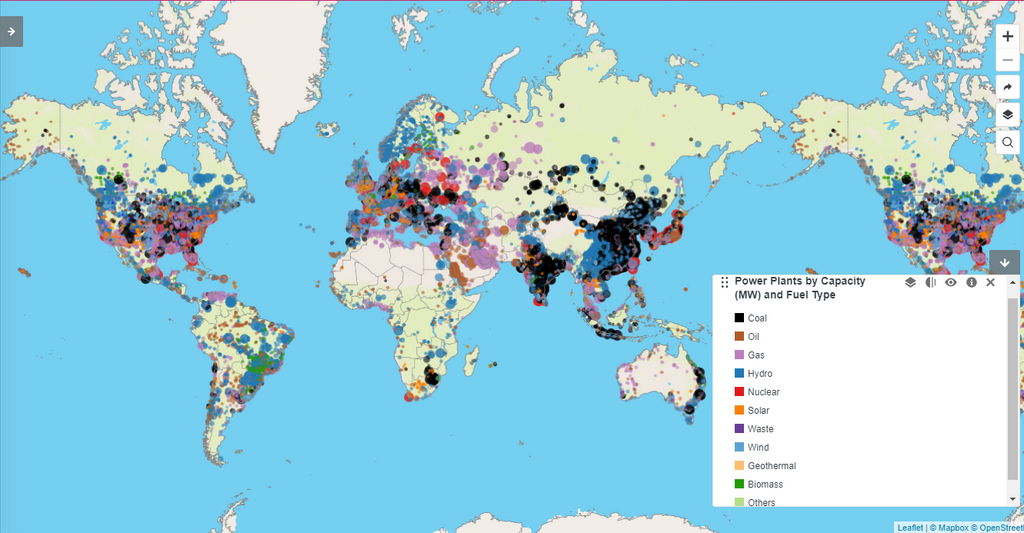
About 30 countries operate nuclear power plants, and together they generate roughly 10% of the world's electricity. For some countries, that percentage is much higher, making nuclear power an indispensable part of their national infrastructure. It provides what's known as baseload power, a consistent and reliable flow of electricity that can run 24/7, regardless of the weather or time of day.
Now, let's test your understanding of these core concepts.
What is the primary process used in current nuclear power plants to generate electricity?
Nuclear fusion, the process that powers the sun, involves splitting a heavy atomic nucleus into smaller ones.
Understanding these basics of nuclear energy, from the difference between fission and fusion to how a power plant operates, is the first step in appreciating its role in our modern world.