Nuclear Fusion Explained
Introduction to Nuclear Fusion
The Power of the Stars
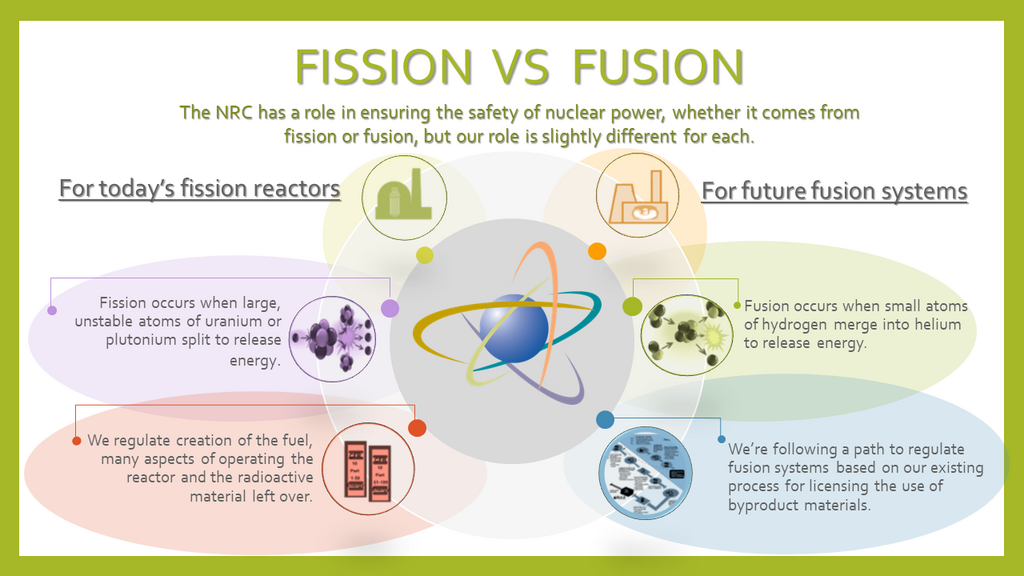
Every star you see in the night sky, including our own sun, is a giant nuclear reactor. But it's not the kind of nuclear power you might be familiar with. Stars are powered by a process called nuclear fusion. It’s the opposite of nuclear fission, which splits heavy atoms apart. Fusion takes very light atoms and squeezes them together to form a heavier one.
Nuclear fusion, the physical process that powers our sun, occurs when atoms are pushed together at extremely high temperatures and pressure, causing them to release tremendous amounts of energy by merging into heavier atoms.
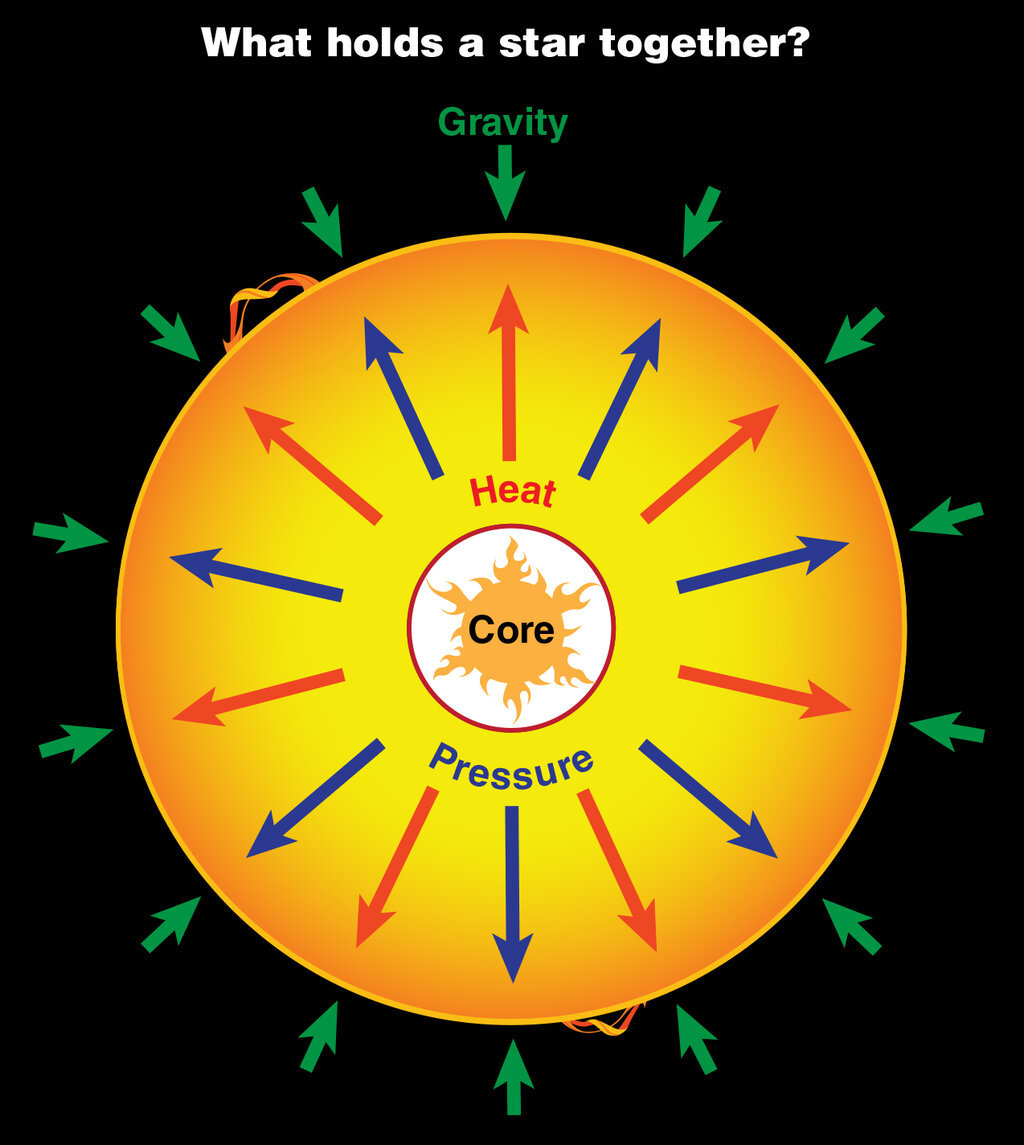
Think of two water droplets on a leaf. When they touch, they instantly merge into a single, larger droplet. Fusion works in a similar way, but with the nuclei of atoms. The most common fuel for fusion is hydrogen, the lightest and most abundant element in the universe. In the core of a star, immense gravitational pressure smashes hydrogen nuclei together to create helium.
Mass into Energy
So, where does the energy come from? It comes from a tiny amount of lost mass. When two light nuclei fuse, the new, heavier nucleus they create has slightly less mass than the two original nuclei combined. This missing mass isn't truly gone. It's converted directly into a tremendous amount of energy, as described by Einstein's famous equation, .
A common fusion reaction that scientists are trying to replicate on Earth involves two isotopes of hydrogen: deuterium (D) and tritium (T). When they fuse, they form a helium nucleus and release a neutron, along with a burst of energy.
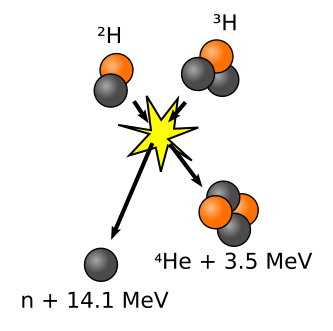
Even though the amount of mass converted is minuscule, the energy released is enormous. This is because the '' in Einstein's equation (the speed of light squared) is a gigantic number. This means a small amount of fuel can produce a vast amount of power.
Creating a Star on Earth
If fusion is so powerful, why don't we use it to power our cities? The challenge lies in creating the right conditions. Atomic nuclei are all positively charged, and like the north poles of two magnets, they naturally repel each other. Forcing them to fuse requires overcoming this repulsion, which means getting them incredibly hot and squeezing them tightly together.
The conditions required are extreme: temperatures over 100 million degrees Celsius and intense pressure.
At these temperatures, matter doesn't exist as a solid, liquid, or gas. It becomes a fourth state of matter called plasma, a superheated soup of charged particles. Creating and containing plasma this hot is one of the greatest engineering challenges humanity has ever faced.
plasma
noun
A state of matter where atoms are stripped of their electrons, creating an ionized gas of free-floating electrons and atomic nuclei.
The Promise of Fusion
Despite the challenges, the potential benefits of fusion energy are immense. First, the fuel is nearly limitless. Deuterium can be extracted from seawater, and tritium can be produced from lithium, an abundant metal. Second, fusion is incredibly clean. The primary byproduct is helium, which is a harmless, inert gas. It produces no greenhouse gases and very little long-lived radioactive waste compared to nuclear fission.
Finally, fusion power plants would be inherently safe. The reactions require such precise and extreme conditions that any disruption would cause the plasma to cool and the reaction to stop instantly, making a runaway chain reaction or meltdown impossible. The quest for fusion is a quest for a clean, safe, and virtually inexhaustible energy source for the future.
Ready to test your knowledge?
What is the fundamental process of nuclear fusion?
According to Einstein's equation , where does the energy released during nuclear fusion come from?
Harnessing the power of fusion remains a monumental task, but it's a goal worth pursuing for a sustainable energy future.