Nuclear Fusion Explained
Introduction to Nuclear Fusion
The Heart of a Star
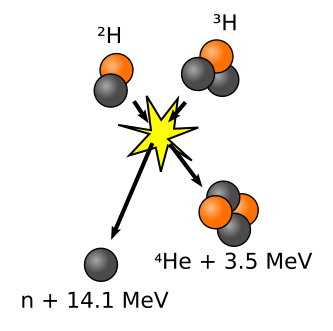
At its core, nuclear fusion is simple. It's the process of taking two light atomic nuclei and combining them to form a single, heavier nucleus. This process powers every star in the universe, including our sun.
Nuclear fusion is the process of combining two light atomic nuclei to form a heavier nucleus, releasing a tremendous amount of energy in the process.
When the nuclei merge, the new nucleus has slightly less mass than the sum of the original ones. This missing mass isn't lost. It's converted into a huge amount of energy, following Einstein's famous equation, . A tiny bit of mass can create an enormous burst of energy.
Fusion vs. Fission
Fusion is often confused with its opposite, nuclear fission. Fission is the process used in today's nuclear power plants. It works by splitting a large, unstable nucleus (like uranium) into two smaller ones. Fusion, on the other hand, builds up by joining small nuclei together.
| Feature | Nuclear Fusion | Nuclear Fission |
|---|---|---|
| Process | Joins light nuclei | Splits heavy nuclei |
| Example | Hydrogen atoms fuse into helium in the Sun | Uranium-235 splits in a reactor |
| Byproducts | Mostly stable elements like helium | Highly radioactive waste |
| Energy Release | Far greater per unit of mass | Significant, but less than fusion |
The key difference lies in their approach to releasing energy from the atom's core. Think of it as the difference between building with LEGOs (fusion) and breaking a finished LEGO model apart (fission).
The Recipe for Fusion
If fusion is so powerful, why don't we see it happening all around us? Because it requires truly extreme conditions. Atomic nuclei are positively charged, so they naturally repel each other, just like trying to push the north poles of two magnets together. To overcome this repulsion, you need two things: incredible temperature and immense pressure.
Temperatures must be hotter than the center of the sun, often over 100 million degrees Celsius, to give nuclei enough energy to slam into each other and fuse.
At these temperatures, matter doesn't exist as a solid, liquid, or gas. It becomes a plasma, a superheated soup of free-floating electrons and ions. The immense pressure, like that found in the core of a star, is needed to squeeze these nuclei close enough together for fusion to occur. This combination of heat and pressure, along with keeping the plasma contained, is the central challenge of harnessing fusion power on Earth.
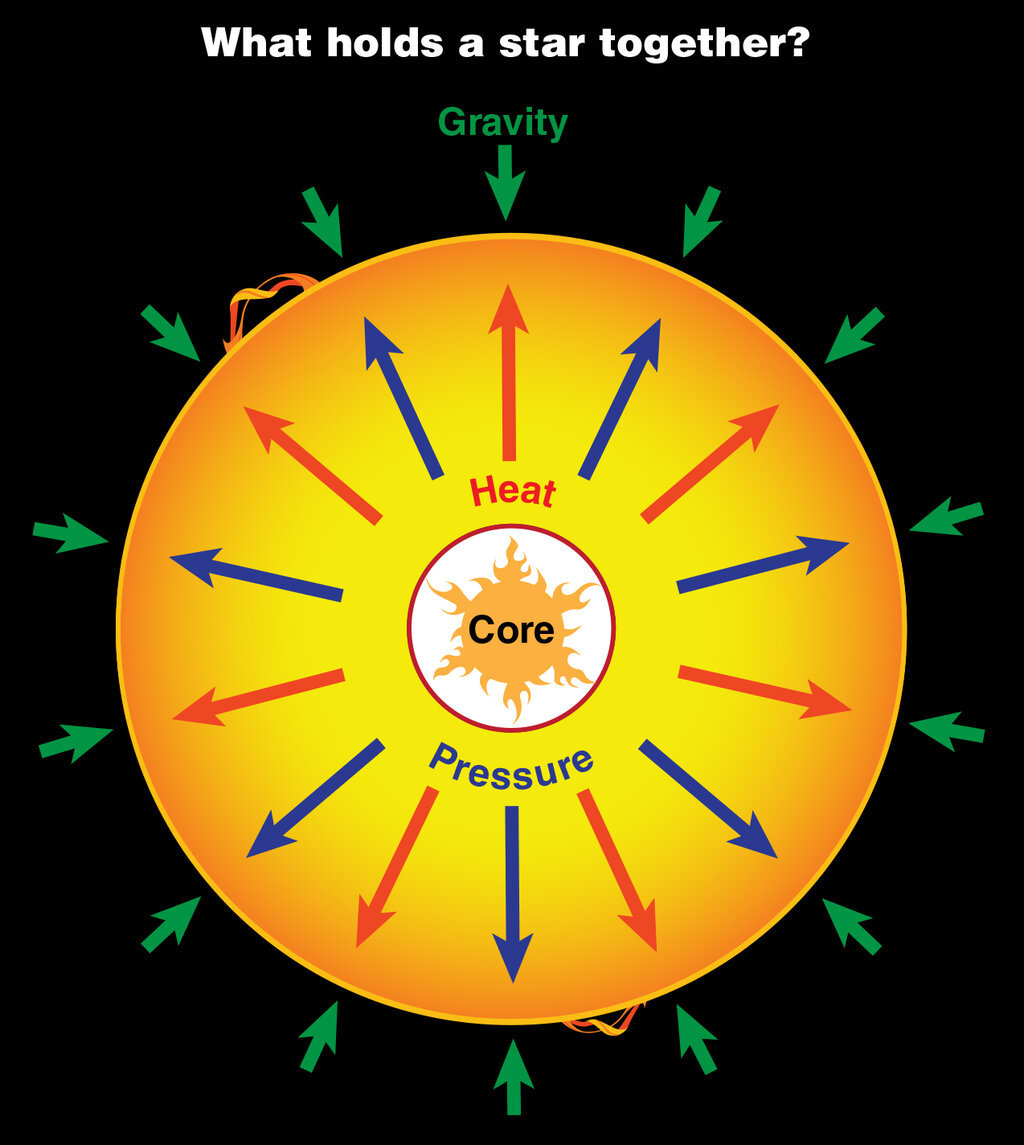
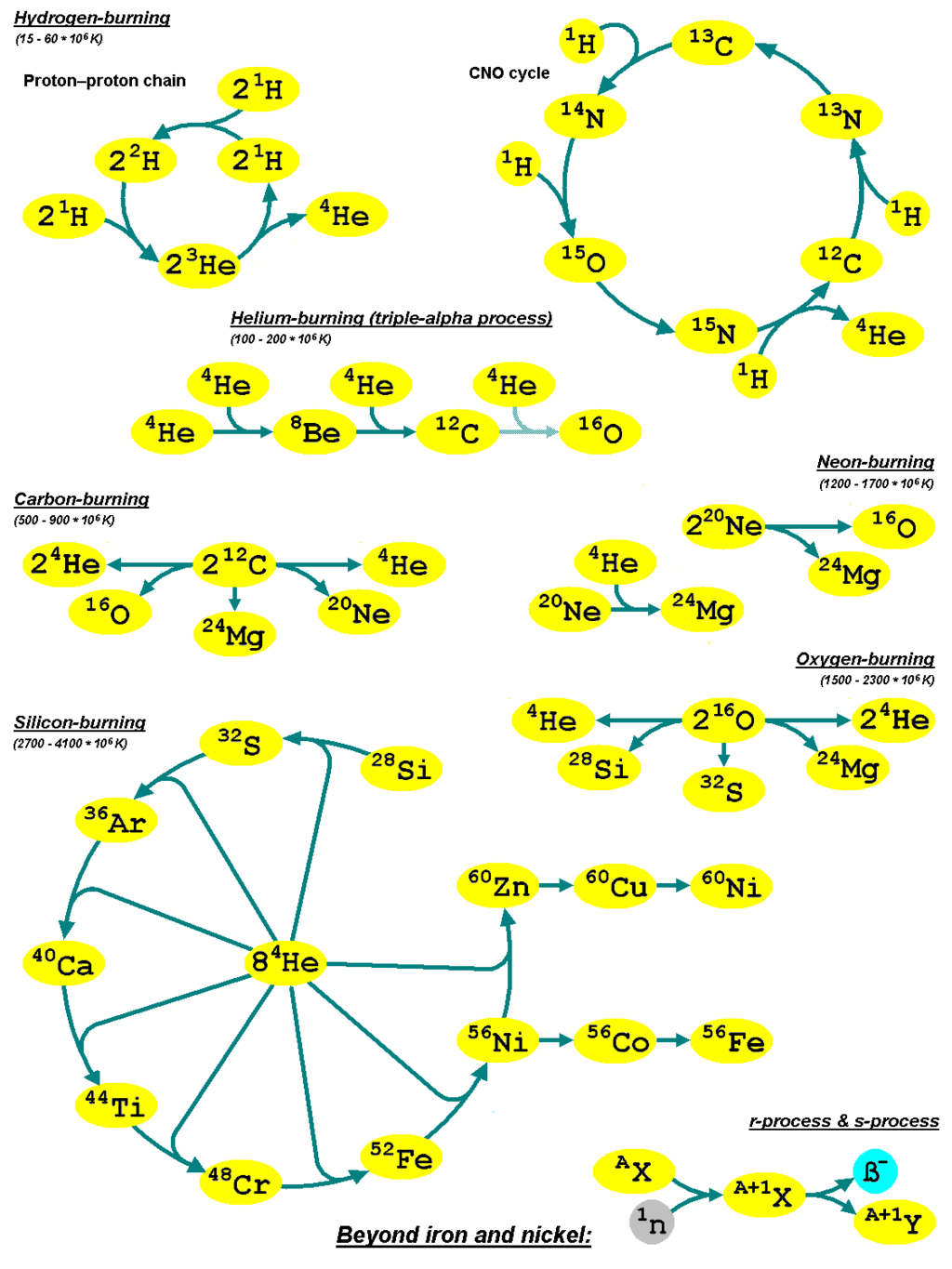
This cosmic balancing act is what allows stars to shine. The fusion process in a star’s core is called stellar nucleosynthesis. It begins with the simplest element, hydrogen, and forges it into helium. As a star ages, it can start fusing helium into carbon, and so on, creating heavier and heavier elements up to iron. Every element heavier than hydrogen and helium in your body was created inside a star.
Ready to check your understanding?
What is the fundamental process of nuclear fusion?
According to Einstein's equation , where does the energy released in a fusion reaction come from?