Norway Method for Runners
Introduction to Norwegian Training Methods
From Fjords to Finish Lines
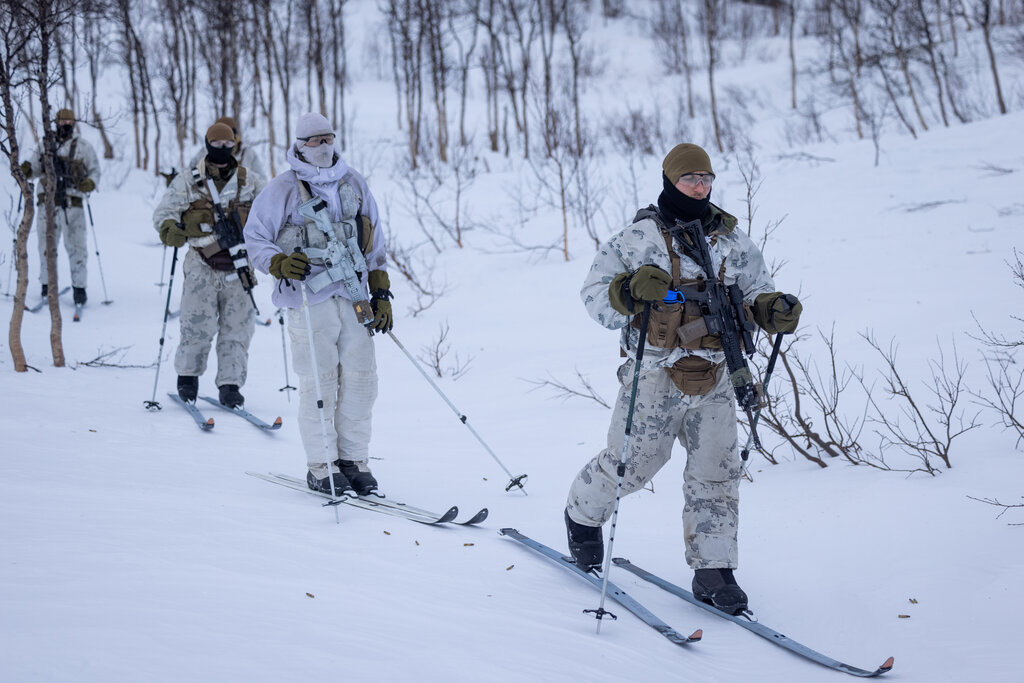
The story of modern endurance training has deep roots in the snowy landscapes of Norway. Long before it became a buzzword among runners, the “Norwegian Method” was simply how Norwegian athletes trained. It grew organically from a culture that embraces the outdoors and values endurance, especially in sports like cross-country skiing.
In the mid-20th century, legendary coach Marius Bakken and others began to formalize these ideas, applying scientific rigor to what athletes were discovering through practice. They observed that high-volume, low-intensity training built a massive aerobic base. But the real breakthrough was combining this with carefully controlled doses of higher-intensity work.
This wasn't about running hard all the time. It was about running smart. The focus shifted to understanding the body's physiological responses to stress, particularly lactate levels. By training just below the point where lactate accumulates rapidly in the blood, athletes could spend more time improving their aerobic threshold without excessive fatigue. This methodical approach allowed them to handle a greater overall training load, leading to massive improvements in performance.
Controlled Intensity
The core of the Norwegian model is lactate-guided training. Instead of relying solely on pace or heart rate, athletes use blood lactate measurements to ensure their effort level is exactly right. This removes the guesswork from training intensity.
The goal is to maximize time spent at an intensity that stimulates adaptation without causing burnout or injury.
This system is often built around two key thresholds.
lactate
noun
A metabolic byproduct produced in the muscles during intense exercise. Its accumulation is associated with fatigue.
The first is the aerobic threshold, a low intensity where your body is comfortably clearing lactate as fast as it produces it. A significant portion of training is done at or below this level to build endurance.
The second is the anaerobic threshold (or lactate threshold). This is the point where lactate starts to build up in the blood faster than it can be cleared. The Norwegian method involves specific workouts performed right at this threshold. These “threshold sessions” are the key to pushing that ceiling higher, allowing you to run faster for longer.
The Double Threshold Day
One of the most famous applications of this philosophy is the “double threshold” day. On these days, an athlete performs two separate threshold workouts, one in the morning and one in the afternoon. For example, they might do a session of 5 x 6 minutes at threshold pace in the morning, rest for several hours, and then do another session of 10 x 3 minutes in the afternoon.
This might sound extreme, but the logic is sound. By splitting a large volume of high-quality work into two manageable sessions, the athlete can accumulate more time at the optimal training intensity than they could in a single, exhausting workout. The recovery period between sessions is crucial, allowing the body to refuel and prepare for the second effort.
This approach is a perfect example of periodization, the structured planning of training.
A periodized approach to training improves race-specific energy systems much more effectively than doing the same mix of overall mileage, length of everyday and long runs, and types of workouts week after week.
The scientific basis is strong. Research has consistently shown that training polarized around easy efforts and threshold-intensity work leads to superior physiological adaptations compared to models that emphasize a large amount of moderately hard running. By carefully managing intensity with tools like lactate meters, athletes can precisely target the desired energy systems.
This isn't just about working hard; it's about applying stress in a calculated, repeatable way to drive predictable results.
What is the core principle that distinguishes the Norwegian Method of endurance training?
What is a 'double threshold' day in the context of the Norwegian Method?
This method, born from the unique demands of Norwegian endurance sports, offers a masterclass in training physiology. It emphasizes a deep understanding of the body's response to exercise, prioritizing precision and recovery to unlock new levels of performance.