Northumbria's Pivotal Role in English History
Formation of Northumbria
Two Kingdoms Become One
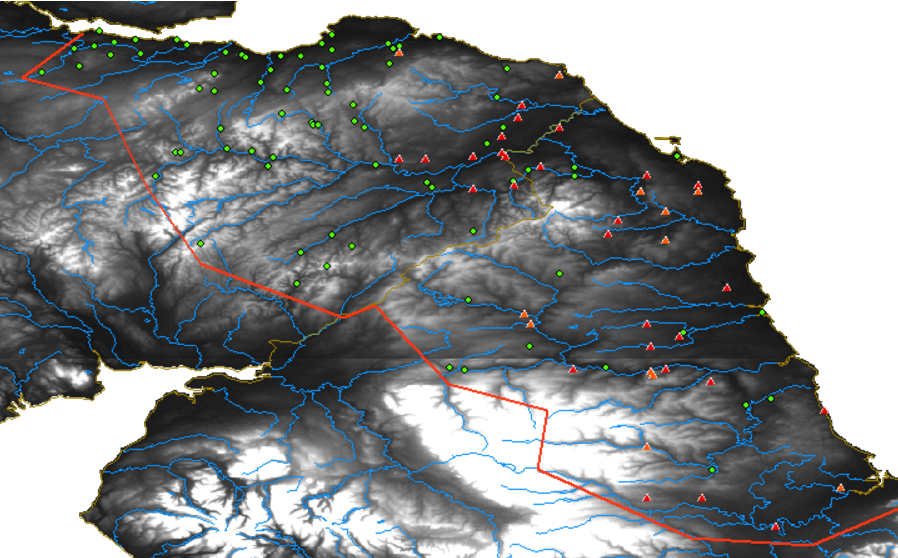
Northumbria wasn't born overnight. It was forged from two smaller, often rival, Anglo-Saxon kingdoms: Bernicia in the north and Deira in the south. Bernicia stretched from the River Tees up to the Firth of Forth, while Deira covered what is now Yorkshire, from the Tees down to the Humber.
Living side-by-side didn't mean living in peace. These two kingdoms frequently clashed, each vying for dominance in the region. This changed at the turn of the 7th century with the rise of a powerful Bernician king.
The man who brought them together was Æthelfrith, the king of Bernicia. Around the year 604, he conquered Deira, exiled its royal family, and united the two lands under his single rule. This new, larger kingdom became known as Northumbria, meaning "the land north of the Humber."
A Land of Opportunity
Northumbria's geography gave it a distinct edge. Its long coastline along the North Sea opened up vital trade routes and communication lines with Scandinavia and mainland Europe. Major rivers like the Tyne and the Humber provided access deep into the interior, allowing for control over a vast territory.
The kingdom was also well-defended. To the west lay the Pennines, a rugged chain of hills that formed a natural barrier. To the north were the fractured kingdoms of the Picts and Britons, which Æthelfrith proved adept at pushing back. He expanded his territory aggressively, securing Northumbria's borders and establishing it as the dominant power in northern Britain.
Forging a Single Identity
Uniting two kingdoms on a map is one thing; uniting their people is another. The initial union was fragile and built on conquest, not consent. The exiled Deiran royal family, particularly a young prince named Edwin, remained a constant threat. For years, they sought refuge in other Anglo-Saxon kingdoms, plotting their return.
This rivalry between the Bernician and Deiran royal lines would define Northumbrian politics for decades. Æthelfrith's new kingdom was powerful, but it was also born from conflict. Its survival depended on the strength of its kings to hold the fragile union together against both internal dissent and external enemies.
The kingdom of Northumbria was forged from the union of which two smaller, rival kingdoms?
What geographical feature formed a natural western barrier for Northumbria, providing a strong defense?
The creation of Northumbria set the stage for a new power to emerge in Anglo-Saxon England, one whose influence would be felt for centuries.