Norms in International Politics
Introduction to International Norms
The Unwritten Rules of World Politics
In our daily lives, we follow countless unwritten rules. We don't cut in line, we say "thank you," and we generally don't shout in a library. These social norms guide our behavior, telling us what is considered appropriate. The world of international relations has its own version of these rules, known as international norms.
International norms are standards of appropriate behavior for actors with a given identity, like states. They are the shared expectations about how countries should act on the global stage.
These norms aren't always written down in formal laws or treaties, though they often inspire them. Instead, they function as a kind of international peer pressure. They shape what leaders and countries see as legitimate and acceptable actions. For example, the norm of diplomatic immunity ensures that ambassadors can work without fear of prosecution in their host countries. This isn't just a courtesy; it's a deeply ingrained expectation that makes international diplomacy possible.
Group "norms" are the informal rules that groups adopt to regulate members’ behaviour.
Why Norms Matter
Norms are powerful because they influence a state's interests and actions. Countries don't operate in a vacuum, only driven by military power or economic gain. They are also concerned with their reputation and their identity as a "good" member of the international community. This desire for legitimacy can lead them to comply with norms even when it's not immediately in their self-interest.

Consider the global effort to protect the environment. Treaties and policies aimed at combating climate change are driven by a growing international norm that states have a responsibility to protect the planet. Similarly, the provision of humanitarian aid during disasters reflects a norm that the international community should help those in need, regardless of borders. These shared understandings create a sense of order and predictability in a world that can often seem chaotic.
Two Types of Norms
International norms can be broadly sorted into two categories: regulative and constitutive.
Regulative norms are like traffic laws. They manage existing behaviors, prescribing what actors should or should not do in a given situation. A classic example is the norm against the use of nuclear weapons. States have the capability, but a powerful norm constrains that behavior.
Constitutive norms, on the other hand, are more fundamental. They don't just regulate behavior; they define the very identities, interests, and possibilities of actors. Think of the rules of chess. They don't just tell you how a bishop should move; they define what a "bishop" is in the first place. Without these rules, the piece is just a piece of carved wood, and the identity of a "chess player" is meaningless.
In international relations, the most important constitutive norm is state sovereignty. This norm defines what a "state" is—a political entity with ultimate authority over its territory and people. It creates the expectation that other countries will not interfere in its internal affairs. This norm doesn't just regulate state interaction; it constitutes the primary actors of world politics.
The Evolution of Norms
International norms are not set in stone. They change over time, often in response to major historical events, moral arguments, and the efforts of activists and states. What was once acceptable can become taboo, and new expectations can emerge.
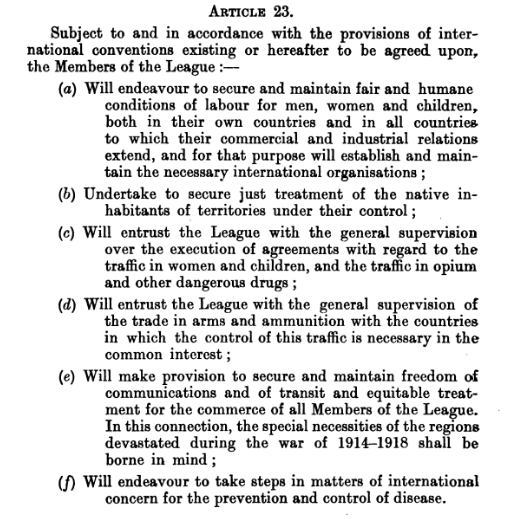
For centuries, the principle of absolute sovereignty meant that what a government did to its own people was its own business. However, after the horrors of World War II, a new set of human rights norms emerged. The idea that all individuals have fundamental rights, and that the international community has a stake in protecting them, began to take hold. This represented a major shift, challenging and modifying the older norm of non-interference.
This evolution is constant. Today, we see ongoing debates and shifts in norms related to cybersecurity, climate responsibility, and global health. Understanding these unwritten rules is key to understanding why nations act the way they do.
What is the primary function of an international norm?
The principle of state sovereignty, which defines a country's ultimate authority over its own territory and people, is best described as which type of norm?