Nordic Insurance Data Analytics
Introduction to Data Analytics
What Is Data Analytics?
At its core, data analytics is the science of examining raw data to draw conclusions. Think of it as a detective's work for numbers. Businesses and organizations collect vast amounts of information every day. Data analytics gives them the tools to sift through that information, find patterns, and turn noise into actionable insights.
Data analytics is the process of extracting meaningful information from data.
The primary goal is to make better decisions. Instead of relying on gut feelings or past habits, data-driven decision-making uses evidence to guide strategy. It helps companies understand their customers, streamline operations, and create new products. When you see a personalized recommendation on a shopping website, that's data analytics at work. It's not just about what happened in the past; it's about understanding why it happened and what's likely to happen next.
The Three Types of Analytics
Data analytics isn't a single activity. It's a spectrum of techniques that build on one another, moving from simple observation to complex prediction. We can group these techniques into three main categories.
| Type | Question It Answers | Example |
|---|---|---|
| Descriptive | What happened? | A monthly sales report shows you sold 500 widgets in June. |
| Predictive | What will happen? | Based on past trends, you forecast selling 550 widgets in July. |
| Prescriptive | What should we do? | Analysis suggests that a 10% discount could boost July sales to 600 widgets. |
Descriptive analytics is the most common type. It looks at historical data to summarize what has occurred. Think of a car's dashboard: it tells you your current speed and fuel level. It describes the present state based on immediate past data. Business dashboards that show website traffic or weekly revenue are classic examples.
Predictive analytics takes things a step further. It uses statistical models and machine learning to forecast future outcomes. This is where we move from hindsight to foresight. A credit scoring model, which predicts the likelihood of a borrower defaulting on a loan, is a powerful use of predictive analytics.
Prescriptive analytics is the final frontier. It not only predicts what will happen but also suggests a course of action to achieve a desired outcome. It's like a GPS that not only shows you the traffic ahead (predictive) but also suggests an alternate route to save time (prescriptive). Businesses use it for complex decisions like optimizing supply chains or setting dynamic prices for airline tickets.
The Analytics Workflow
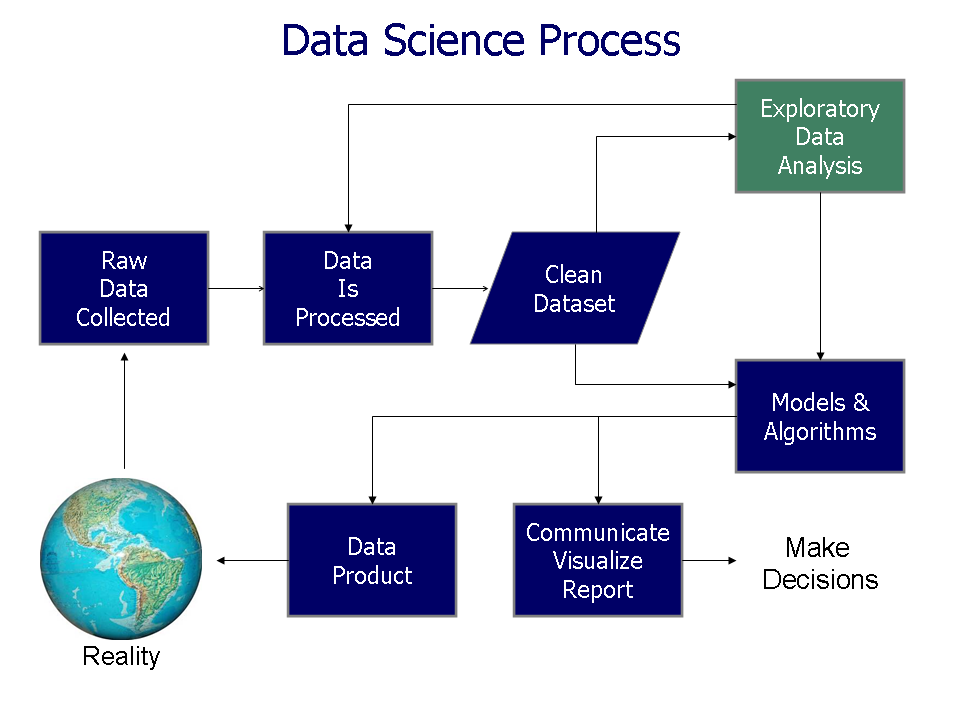
Getting from raw data to a smart decision follows a consistent process. It's a cycle of gathering, cleaning, and interpreting information.
First comes data collection. Data can come from anywhere: customer surveys, website clicks, sales records, social media posts, or even sensors on machinery. The key is to gather relevant information that can help answer a specific business question.
Next is data processing, often called data cleaning. Raw data is almost never perfect. It might have missing values, duplicates, or formatting errors. Cleaning involves correcting these issues to ensure the data is accurate and consistent. It's a critical, often time-consuming, step. Bad data leads to bad insights.
Finally, we have interpretation. This is where analysts explore the clean data to find patterns and trends. Data visualization tools like Tableau, Power BI, or even simple charts in a spreadsheet are essential here. A good chart can reveal insights that a table of numbers might hide. The goal is to tell a clear story with the data, leading to a conclusion or a recommendation.
A well-designed visual makes complex data accessible, understandable, and usable.
Time to review what we've covered.
Let's check your understanding with a few questions.
What is the primary goal of data analytics?
A streaming service analyzes your viewing history to suggest new movies you might enjoy. This is an example of which type of analytics?
Understanding these fundamentals is the first step toward using data to make smarter, more effective decisions.