Nordic Hamstring Curls
Hamstring Anatomy
Meet Your Hamstrings
At the back of your thigh, running from your hip to your knee, is a powerful group of three muscles known as the hamstrings. They're a team, and each member has a specific name: the biceps femoris, the semitendinosus, and the semimembranosus.
Think of them as three strong bands. They all start together, attaching to a part of your pelvis called the ischial tuberosity. You might know this area as your “sit bones” — the bony points you feel when sitting on a hard surface. From this shared starting point, they run down the back of your leg.
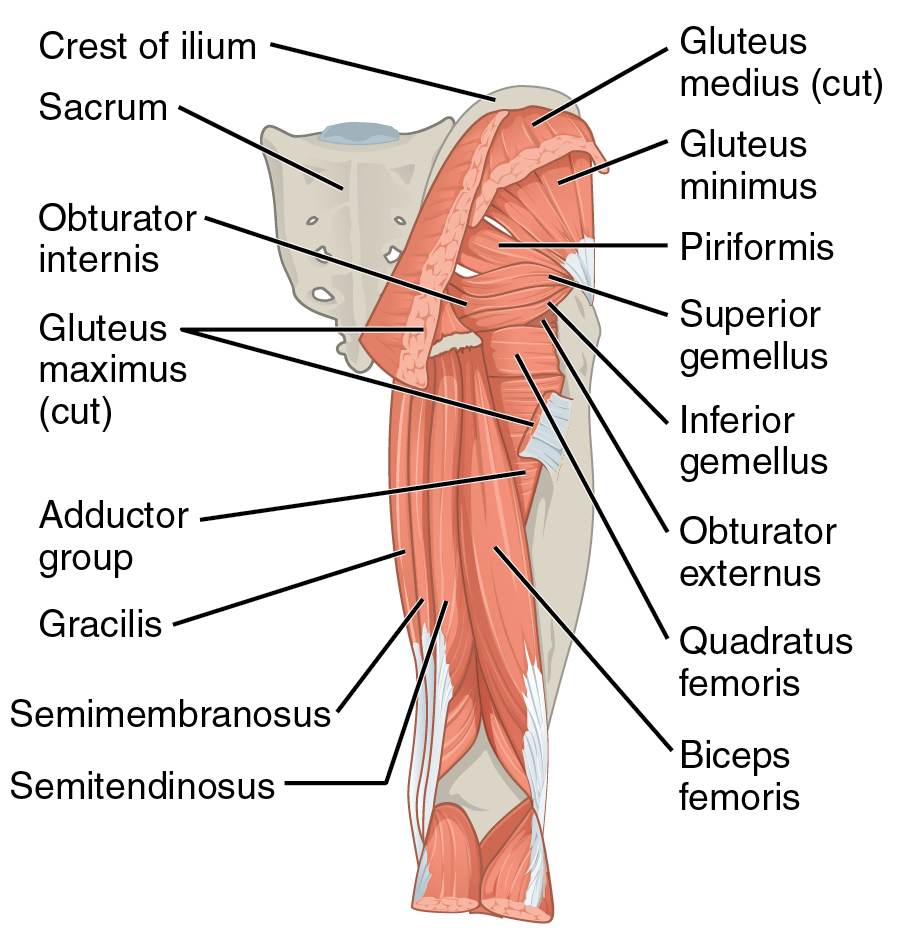
When they reach the knee, they go their separate ways. The biceps femoris attaches to the fibula, the outer bone of your lower leg. The semitendinosus and semimembranosus attach to the tibia, the main shin bone. This arrangement, spanning both the hip and knee joints, is what gives them their unique abilities.
The Two Main Jobs
The hamstrings have two primary functions: knee flexion and hip extension. These actions are fundamental to how we move.
Knee Flexion: This is simply bending your knee. When you bring your heel up toward your glutes, that’s your hamstrings at work. They pull on your lower leg bones, causing the knee to bend.
Hip Extension: This means moving your thigh backward. Imagine standing up from a squat or pushing off the ground to run. Your hamstrings pull your thigh backward, driving your body forward. This powerful movement is a cornerstone of athletic activities like sprinting and jumping.
More Than Just Movers
Beyond just moving your legs, the hamstrings are critical for stability and control. They act as the brakes for your lower leg. When you run, your quadriceps (the muscles on the front of your thigh) swing your lower leg forward. The hamstrings have to contract to slow that motion down before your foot hits the ground. This deceleration is vital for preventing injury and maintaining balance during dynamic movements.
They also play a crucial role in stabilizing the knee joint. The hamstrings work together with the quadriceps and various ligaments to keep your knee steady. Think of them as guide ropes on a tent pole, providing tension from the back to counteract the pull from the front, keeping everything aligned and secure.
Let's check your understanding of these key muscles.
What are the three muscles that form the hamstring group?
What is the common origin point for all three hamstring muscles?
Having a clear picture of hamstring anatomy is the foundation for training them effectively.