Non-Invasive Brain-Computer Interfaces Explained
Introduction to Brain-Computer Interfaces
The Brain's New Language
A Brain-Computer Interface, or BCI, is a direct communication pathway between the brain's electrical activity and an external device, like a computer or a robotic arm. Think of it as a translator, converting your thoughts into commands that a machine can understand and execute. The concept isn't science fiction; it has roots in research dating back to the 1970s.
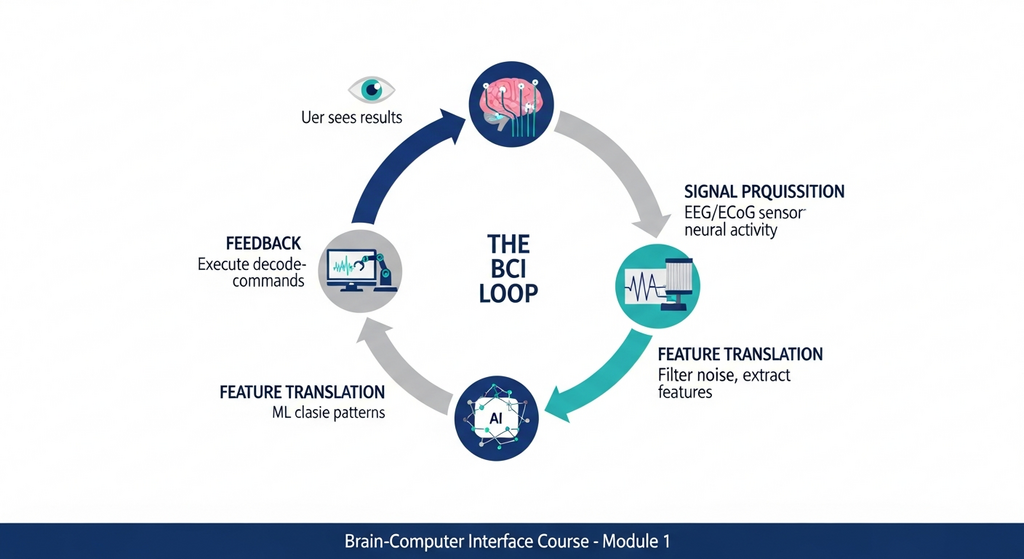
At its core, a BCI works by detecting the tiny electrical signals that brain cells, called neurons, use to communicate with each other. When you think, move, or feel, your neurons fire in specific patterns. BCIs use sensors to pick up these patterns, and software algorithms decode them into actionable commands. This allows a person to control a device without any physical movement.
Two Paths to Connection
There are two main approaches to creating this connection: invasive and non-invasive. Each has its own strengths and is suited for different purposes.
Invasive BCIs are surgically implanted directly into the brain. This might sound intense, but placing sensors inside the skull allows them to get a very clear and precise signal from neurons. This high-fidelity signal is crucial for complex tasks, like controlling a sophisticated prosthetic hand with individual finger movements.
The major downside, of course, is the risk associated with brain surgery. Because of this, invasive BCIs are typically reserved for individuals with severe medical needs, where the potential benefits outweigh the surgical risks.
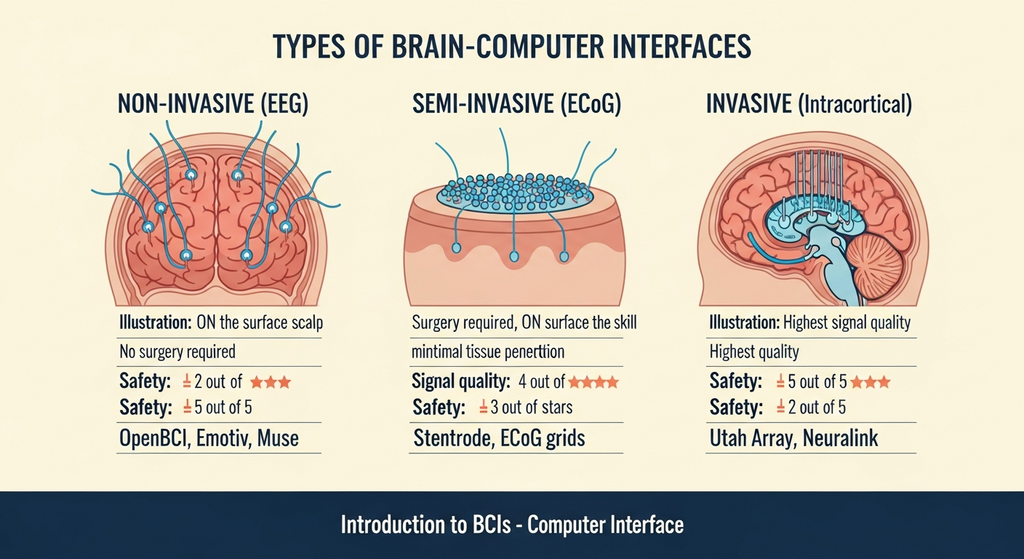
Non-invasive BCIs, on the other hand, don't require surgery. They are typically wearable devices, like a cap or headset, with sensors that rest on the scalp. The most common technology used is electroencephalography, or EEG. It measures the collective electrical activity of large groups of neurons.
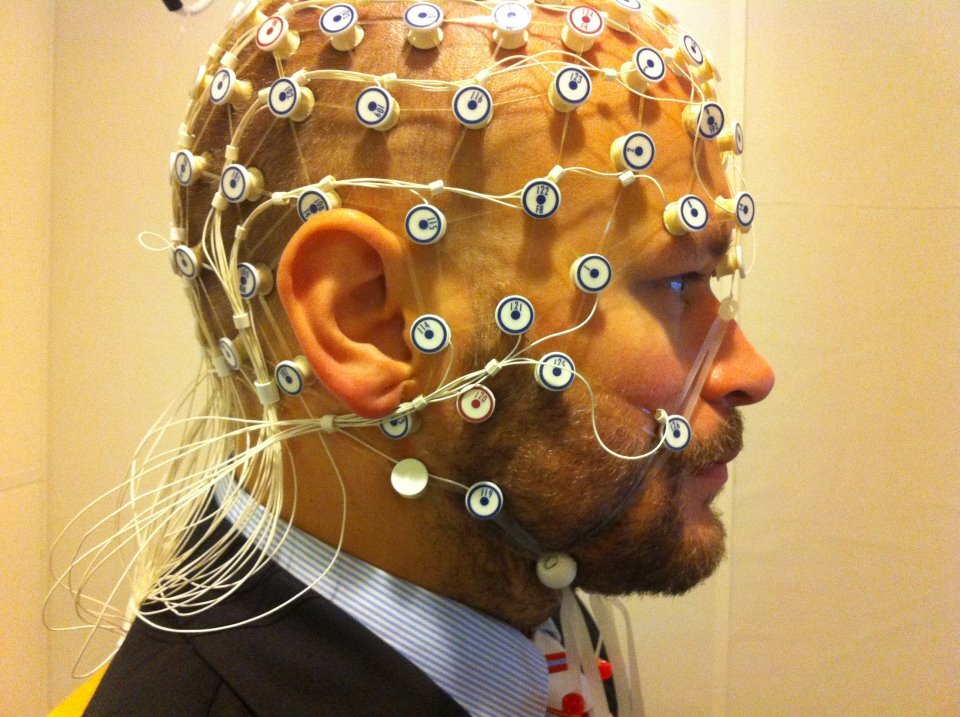
Because the sensors are outside the skull, the signal is not as precise as that from an invasive device. It's like trying to listen to a conversation from outside a crowded room—you can hear the general noise, but picking out individual voices is tough. Still, this method is much safer and more accessible, making it ideal for a wider range of applications, from video games to wellness devices.
From Medicine to Daily Life
The applications for BCIs are vast and growing. In medicine, they offer life-changing possibilities. People with paralysis due to spinal cord injuries or conditions like ALS can use BCIs to communicate by typing on a screen with their thoughts or to control robotic limbs, restoring a degree of independence.
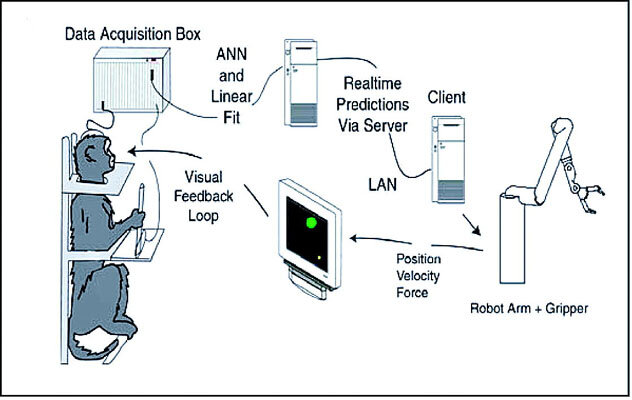
But the potential of BCIs extends far beyond the clinical world. In technology, they are paving the way for new forms of interaction. Imagine controlling your smart home devices just by thinking, or playing a video game where your character reacts to your focus and emotional state. Artists and musicians are exploring BCIs to create works directly from their neural activity.
Brain-computer interfaces offer significant therapeutic opportunities for a variety of neurophysiological and neuropsychiatric disorders and may perhaps one day lead to augmenting the cognition and decision-making of the healthy brain.
As the technology becomes more refined and accessible, BCIs could fundamentally change how we interact with machines and each other.
What is the primary function of a Brain-Computer Interface (BCI)?
What is the major advantage of a non-invasive BCI compared to an invasive one?