Node.js to Full-Stack AI Engineer
AI Fundamentals
What Is Artificial Intelligence?
At its heart, artificial intelligence is the science of making machines smart. The goal is to build computer systems that can perform tasks that normally require human intelligence. This includes things like learning, reasoning, problem-solving, understanding language, and perceiving the world around them.
Artificial Intelligence
noun
A branch of computer science that deals with the simulation of intelligent behavior in computers.
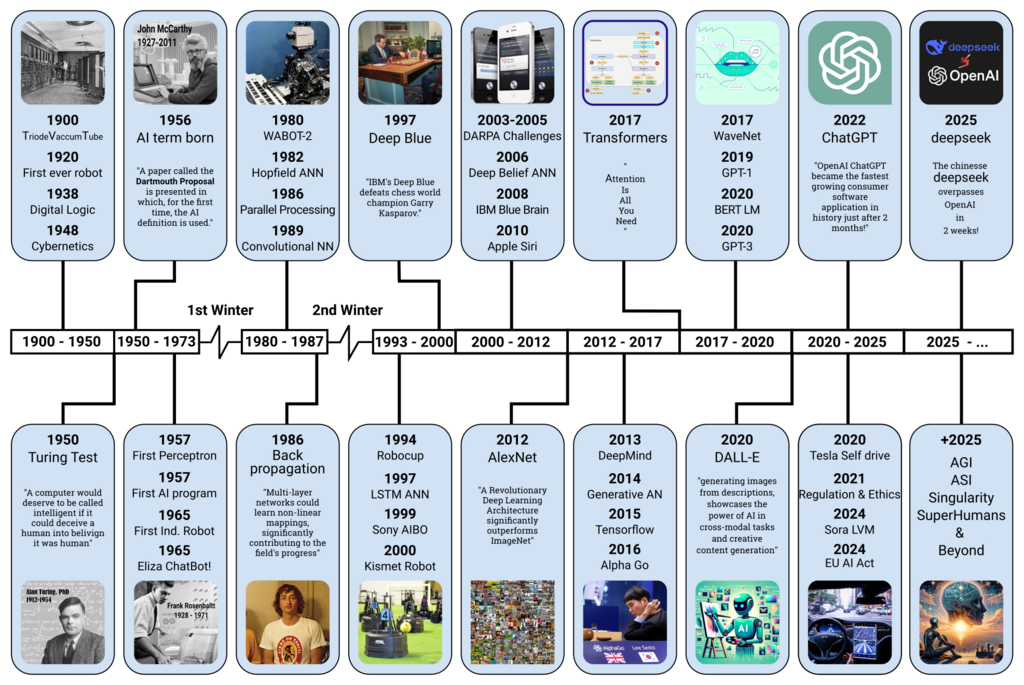
The idea isn't new. Philosophers have pondered the possibility of artificial minds for centuries. But the actual field of AI research began in the 1950s. Early pioneers were optimistic, believing they could create human-level intelligence within a few decades. The reality has been a long, winding road of breakthroughs and setbacks, with progress accelerating dramatically in recent years thanks to more powerful computers and vast amounts of data.
The Core Flavors of AI
AI isn't a single technology. It's a broad field with many specialized areas. Think of it like biology, which has branches like genetics, ecology, and marine biology. The most important branches of AI today are machine learning, natural language processing, and computer vision.
Many people use the terms AI and Machine Learning interchangeably, but they aren't the same thing. Machine learning is a type of AI.
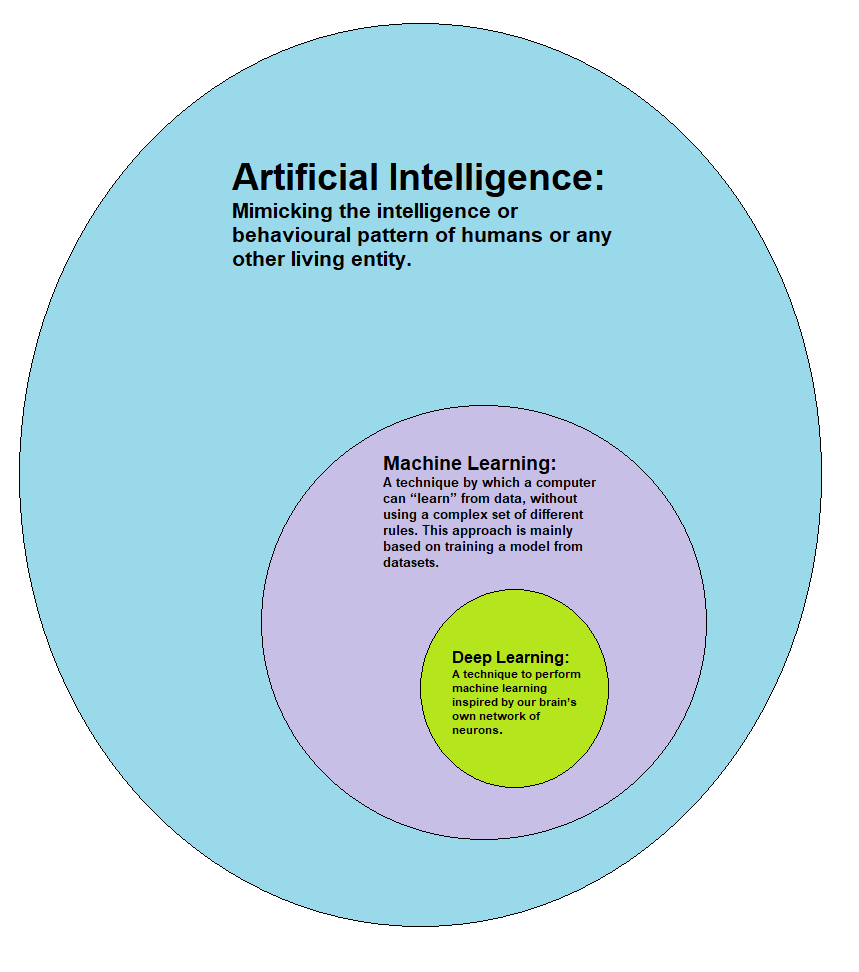
Machine Learning (ML) is the most common form of AI today. Instead of programming a computer with explicit rules for every situation, you give it a large dataset and an algorithm that allows it to learn patterns on its own. It's like teaching a child to recognize a cat. You don't list all the rules for what makes a cat; you show them lots of pictures of cats until they figure it out themselves.
Natural Language Processing (NLP) focuses on the interaction between computers and human language. It's what allows you to talk to your phone's digital assistant, translate a webpage from Spanish to English, or have a chatbot understand your customer service question. NLP is all about teaching computers to read, understand, and generate human language.
Computer Vision is the field dedicated to giving machines the ability to "see." It works to replicate the power of human vision, allowing computers to identify and process objects in images and videos. This is the technology behind facial recognition on your phone, self-driving cars navigating roads, and medical systems that can spot tumors in an X-ray.
AI in the Real World
AI is no longer just a concept from science fiction; it's a part of our daily lives. From the movie recommendations you get on a streaming service to the spam filter in your email, AI is working behind the scenes.
In finance, AI systems detect fraudulent transactions by learning the patterns of normal spending and flagging anything unusual. In healthcare, machine learning models analyze medical images to help doctors diagnose diseases earlier and more accurately. Retail companies use AI to manage their inventory, predict what customers will want to buy, and personalize marketing campaigns.
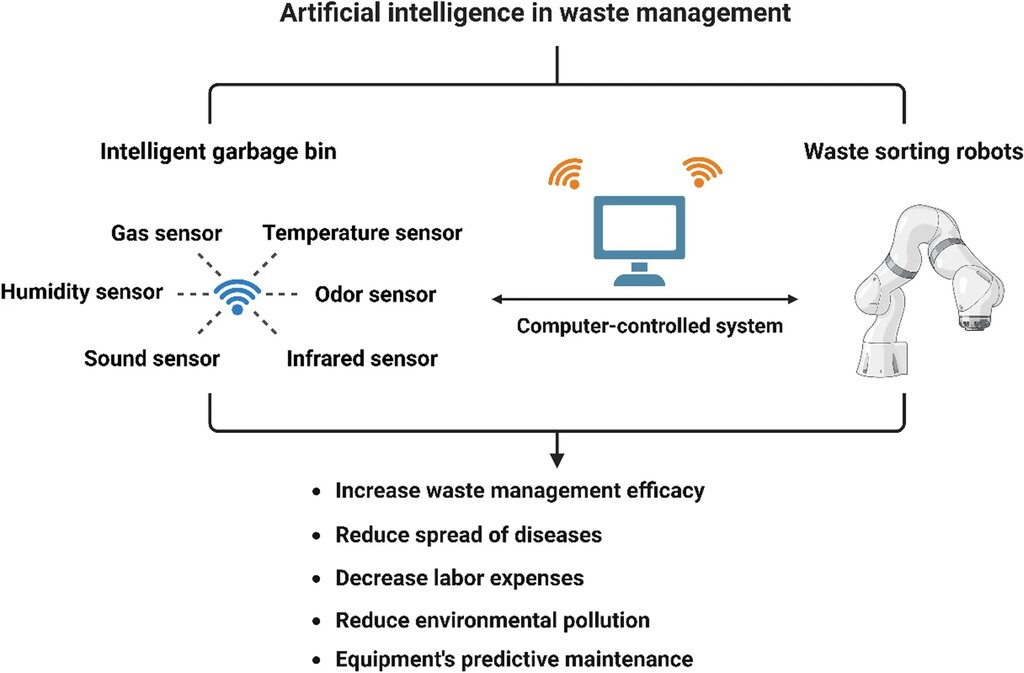
Even city services are getting smarter. AI is being used to optimize traffic flow, manage energy grids, and even make waste collection more efficient.
Now that you have a grasp of the fundamentals, let's test your knowledge.
What is the primary goal of artificial intelligence?
A chatbot that understands and responds to your customer service questions is a direct application of which branch of AI?
Understanding these core concepts is the first step. By seeing how AI is defined and where its major branches focus, you're building a solid foundation for exploring how these technologies can be applied.