Node.js Fundamentals Explained
Node.js Introduction
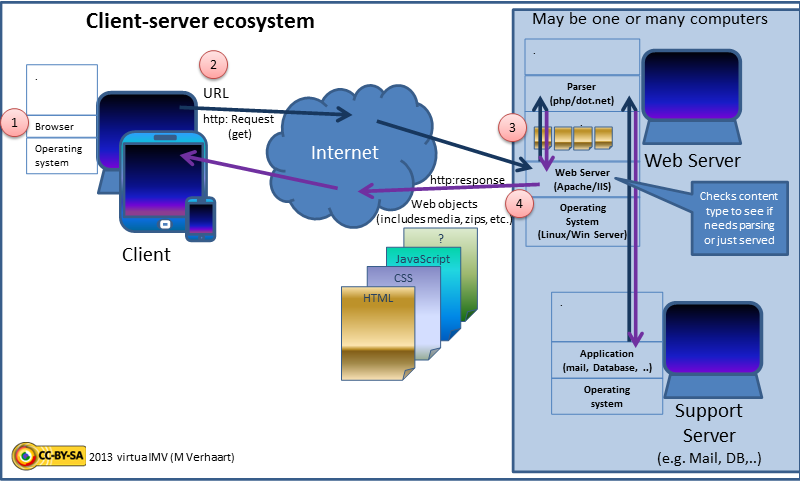
JavaScript on the Server
For years, JavaScript lived exclusively in the web browser. It was the language of front-end development, responsible for making web pages interactive. That changed with Node.js. In simple terms, Node.js is a runtime environment that lets you execute JavaScript code on a server.
It's open-source, cross-platform, and built on Chrome's —the same high-performance engine that powers Google Chrome. By taking JavaScript out of the browser, Node.js allows developers to use a single language for both the client-side and server-side of an application, simplifying the development process significantly.
Think of it this way: Node.js gives JavaScript superpowers, allowing it to interact directly with the file system, manage databases, and create web servers.
The Non-Blocking Model
The true innovation of Node.js lies in its single-threaded, event-driven architecture. This might sound like a limitation, but it's actually a core strength. Traditional servers often use a multi-threaded model, where each incoming connection gets its own thread. This can consume a lot of memory and become inefficient under heavy load as the server spends time managing threads.
Node.js takes a different approach. It runs on a single thread and uses operations. Imagine a waiter at a busy restaurant. A blocking waiter would take one customer's order, go to the kitchen, and wait until the food is ready before taking the next order. The entire restaurant would grind to a halt.
A non-blocking Node.js waiter takes an order (a request), gives it to the kitchen (initiates an I/O operation like reading a file or querying a database), and immediately moves on to the next table. When the kitchen finishes a dish, it places it on the counter (fires an event). The waiter then picks it up and delivers it to the correct table (executes a callback function). This system allows a single waiter to serve many tables efficiently without ever just standing around waiting.
Node.js is designed around a non-blocking, event-driven architecture, thanks to its use of the event loop.
Where Node.js Excels
This event-driven model makes Node.js exceptionally well-suited for applications that handle many concurrent connections and involve a lot of I/O operations. It's not the best choice for CPU-intensive tasks like video encoding, as a long-running calculation could block the single thread.
Common use cases include:
- Real-time applications: Chat apps, collaborative editing tools, and online gaming benefit from the ability to maintain many open connections and push data instantly.
- APIs and : Node.js is perfect for building fast, lightweight services that act as the glue between different parts of a larger application. It can handle a high volume of requests to fetch or write data to a database.
- Single-Page Applications (SPAs): It's a popular choice for powering the backend of SPAs built with frameworks like React, Angular, or Vue, allowing for a seamless full-stack JavaScript experience.
Now that you understand the core idea behind Node.js, we can dig into the mechanism that makes it all work: the event loop.