No-Code Web App Development Fundamentals
Introduction to No-Code Development
What Is No-Code?
Imagine you have a great idea for an app or a website, but you don't know how to write code. For a long time, that meant your idea stayed just an idea, or you had to hire expensive developers. No-code development changes that. It's a way of building software using visual tools instead of traditional programming languages.
No-code platforms replace text-based programming with visual interfaces.
Think of it like building with LEGO blocks. Instead of creating each plastic brick from raw materials, you're given a set of pre-made blocks that you can snap together to build almost anything you can imagine. No-code platforms provide these building blocks for software: buttons, forms, user accounts, and databases. You arrange them on a canvas and define how they should work using simple logic, all without writing a single line of code.
From Spreadsheets to Software
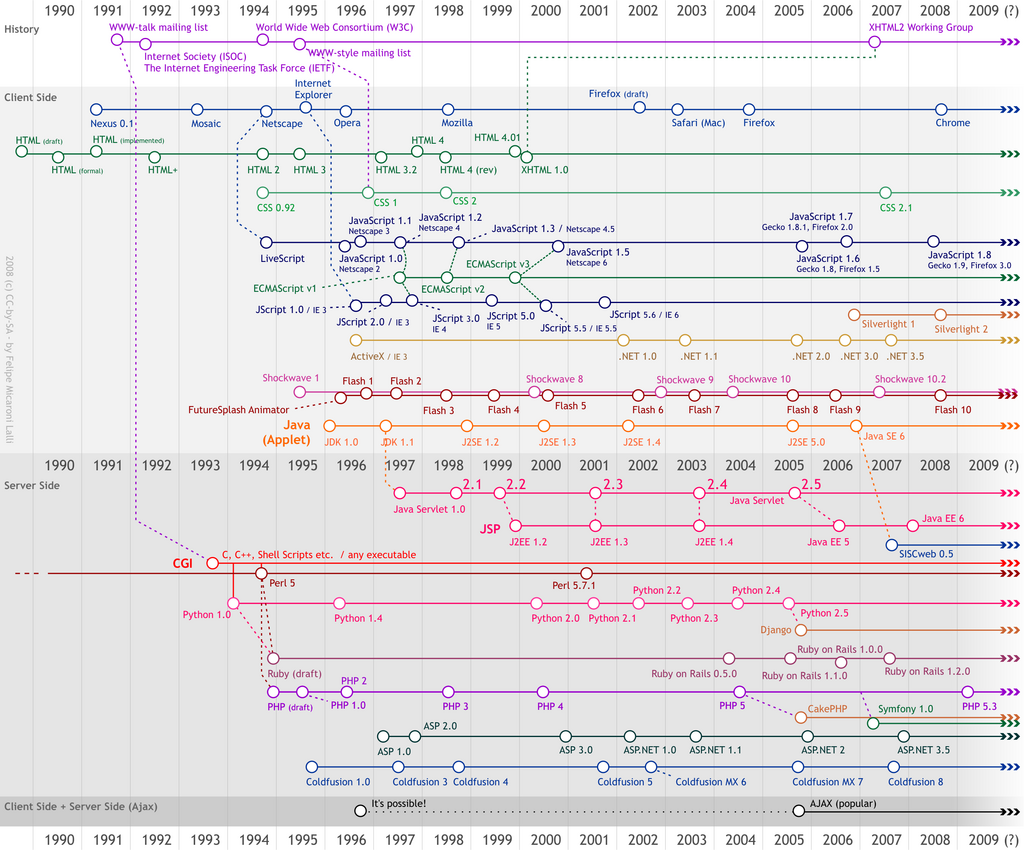
The idea of building things without code isn't entirely new. Spreadsheets, for instance, allow people to perform complex calculations and data analysis without being programmers. Early website builders in the 1990s let users create web pages by dragging and dropping elements, hiding the underlying HTML and CSS.
Over time, these tools have become incredibly powerful. What started as simple page builders has evolved into full-fledged development platforms capable of creating complex web applications, internal business tools, and mobile apps. This evolution has been driven by faster internet, better browser technology, and the growing need to create software more quickly.
How It Works
No-code platforms operate on a few key principles that make them so effective.
Abstraction
noun
The process of hiding complex reality while exposing only the necessary parts. In no-code, the platform handles the complicated code, servers, and infrastructure, so the user doesn't have to.
The core of the no-code experience is visual programming. You build your application's interface by dragging elements onto a page and styling them with simple controls. You create logic by connecting blocks in a workflow editor. For example, to create a login system, you might drag a 'Button' element onto the page, then create a workflow that says, "When this button is clicked, log the user in."
This is all possible because of abstraction. The platform handles the complex, underlying code for you. You don't need to worry about setting up a database or managing a server. You just tell the platform what you want to happen, and it takes care of the technical details behind the scenes.
Finally, no-code excels at automation. It allows you to create powerful workflows that connect different apps and services. You can set up rules to automatically send an email when a new user signs up, or update a spreadsheet when a form is submitted. This lets you automate repetitive tasks and build efficient business processes with ease.
The Big Advantages
The rise of no-code brings several major benefits. The most obvious is accessibility. It opens up software development to a much wider audience, empowering entrepreneurs, designers, and business experts to build their own tools without needing a technical co-founder. If you have an idea, you can start building it yourself.
This leads directly to speed. Because you're working with pre-built components and visual interfaces, you can build and launch applications much faster than with traditional coding. Prototyping an idea can take hours or days, not weeks or months. This allows for rapid testing and iteration.
Finally, no-code is cost-effective. It reduces the need to hire large teams of developers, which is often the biggest expense in getting a software project off the ground. For small businesses and startups, this can make the difference between an idea that launches and one that never sees the light of day.
By lowering the barriers to creation, no-code development is democratizing the ability to build on the internet.
Now that you understand the what, why, and how of no-code, you're ready to see how these principles are put into practice.