No-Code Automation with Python and AI
Introduction to No-Code and Low-Code Automation
Automate Without Code
Imagine your work day. How much time do you spend on small, repetitive tasks? Things like copying data from an email to a spreadsheet, sending a welcome message to a new customer, or saving attachments to a specific folder. These tasks are necessary but don't require much creativity. They just need to get done.
Traditionally, automating these jobs required writing code. You'd need a programmer to create a script that could perform the actions for you. This put automation out of reach for many people. That's where no-code and low-code platforms come in.
No-code automation platforms empower both technical and non-technical users to automate processes using graphical user interfaces, rather than relying on conventional computer programming.
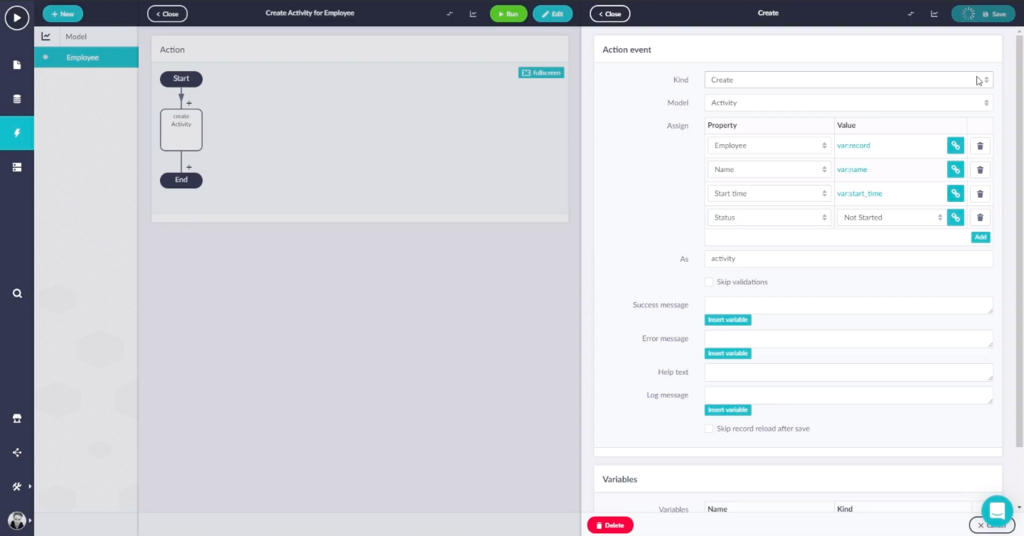
These tools provide a visual way to build workflows. Instead of writing lines of code, you connect different applications and services together like building blocks. You can create a rule like, “When I get a new sale on my website, automatically send a confirmation email and add the customer to my mailing list.”
No-Code vs. Low-Code
While they sound similar, there’s a key difference between no-code and low-code platforms.
no-code
adjective
Platforms that allow users to create applications and automations using visual drag-and-drop interfaces without writing any code at all. They are designed for non-technical users.
No-code platforms are built for accessibility. Anyone can use them to automate tasks by connecting pre-built modules. If you can create a flowchart, you can use a no-code tool.
Think of it like building with LEGOs. You have a set of standard bricks that you can snap together in countless ways to create something new.
Low-code platforms also use a visual approach, but they offer the option to add custom code for more complex or specific needs. They bridge the gap between pure no-code simplicity and the power of traditional programming. A person with some coding knowledge can extend the platform's capabilities beyond the standard building blocks.
Popular Tools and Uses
The market for these platforms is growing fast. Each tool has its own strengths, but they all share the goal of making automation accessible.
| Tool | Best For | Key Feature |
|---|---|---|
| Zapier | Beginners, simple integrations | Connects thousands of popular web apps. |
| AppyPie | App development without code | Turns ideas into apps using a visual editor. |
| n8n | Technical users, complex workflows | Open-source and can be self-hosted for more control. |
What can you actually do with these tools? The possibilities are vast, but here are a few common examples:
When a customer fills out a contact form on your website, create a new contact in your CRM and send a notification to your team's chat app.
Every morning, get a summary of your key business metrics sent directly to your email or a messaging app.
When a new file is added to a specific cloud storage folder, automatically start a transcription service and save the text to a document.
These platforms handle the tedious, manual steps, freeing you up to focus on more important work. By connecting the apps you already use, they create efficient, automated processes that save time and reduce errors.
Now that you understand the basics of no-code and low-code automation, let's test your knowledge.
What is the primary goal of both no-code and low-code platforms?
What is the key distinction between a no-code platform and a low-code platform?
This ability to build without code is a powerful shift, giving more people the tools to create solutions for their own problems.