No-Code Automation with Python and AI
Understanding Automation
What Is Automation?
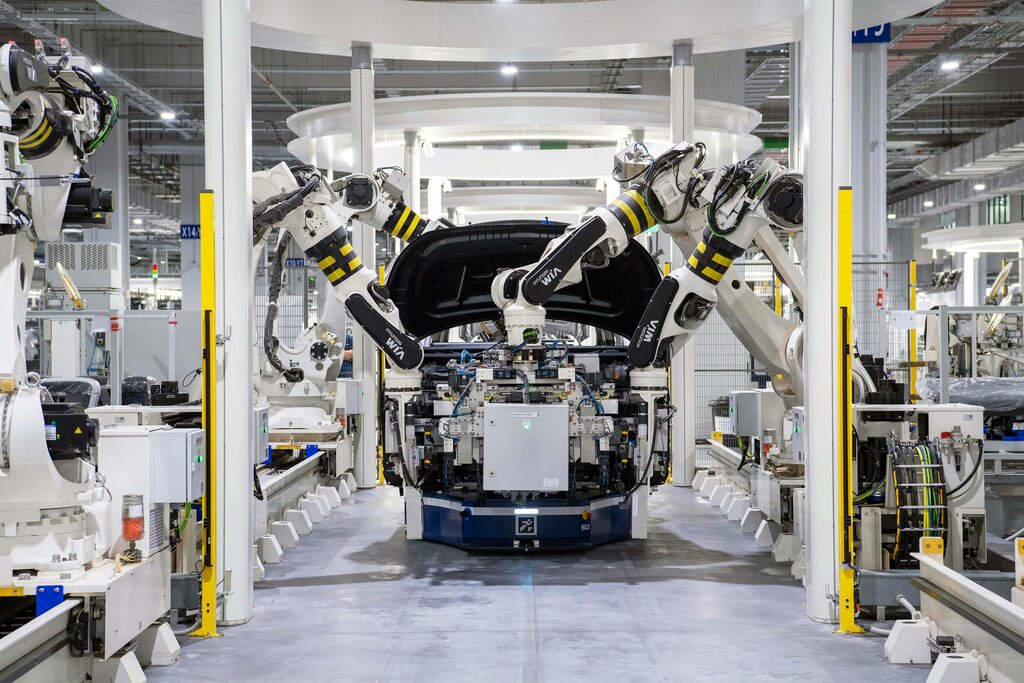
At its core, automation is about using technology to perform tasks that were once done by people. Think of it as creating a set of instructions for a machine to follow, so you don't have to do the work yourself. This isn't just about physical robots on an assembly line. It can be as simple as an email filter that automatically sorts your messages or as complex as a system that manages a city's power grid.
Automation
noun
The use of technology to perform tasks with little or no human assistance.
The main goal is to streamline workflows and processes. In any job, there are tasks that are repetitive, time-consuming, and frankly, a bit boring. Automation takes these tasks off our plates, freeing up human brainpower for more creative and strategic thinking.
Why Bother with Automation?
Automating tasks brings a few major advantages to any workplace. The most obvious is a boost in efficiency. A machine or a software program can perform a repetitive task much faster than a human ever could, and it can do it 24/7 without getting tired.
It also drastically reduces human error. When you're manually entering data from a spreadsheet for the hundredth time, it's easy to make a typo. An automated system, on the other hand, will perform the task with the same precision every single time. This reliability leads to higher-quality work.
Finally, all of this saves money. Faster work and fewer errors mean less wasted time and resources. Companies can accomplish more without increasing their staff, leading to significant cost savings in the long run.
Key Benefits:
- Increased Efficiency: Get more done in less time.
- Reduced Errors: Improve accuracy by removing manual mistakes.
- Cost Savings: Lower operational costs by optimizing resources.
Types of Automation
Automation isn't a one-size-fits-all solution. Different technologies are suited for different kinds of tasks. Let's look at a few common types.
Robotic Process Automation (RPA) This involves using software "bots" to mimic human actions on a computer. Think of a bot that logs into an application, copies data from one place, and pastes it into another. RPA is perfect for rule-based, repetitive digital tasks.
Artificial Intelligence (AI) AI takes automation a step further. Instead of just following a strict set of rules, AI can analyze data, recognize patterns, and make decisions. This allows for the automation of more complex tasks that require a bit of 'thinking', like understanding customer emails and routing them to the right department.

No-Code Platforms Historically, creating automations required programming skills. No-code platforms have changed that. These tools provide a visual interface with drag-and-drop components, allowing anyone to build and automate workflows without writing a single line of code. This empowers people in all roles, not just developers, to streamline their own work.
No-code automation is a tool that simplifies the process of implementing workflow automation and integrations without requiring any coding expertise.
Now that you have a foundational understanding of what automation is and the forms it can take, let's test your knowledge.
What is the primary goal of automation in a workplace setting?
Besides increased efficiency, automation primarily reduces ______ and leads to cost savings.
By handling the repetitive work, these tools allow us to focus on the problems that truly require a human touch.