No-Code Automation with Python and AI
Introduction to No-Code Automation
What is No-Code Automation?
Many jobs involve small, repetitive digital tasks. Think about copying information from an email to a spreadsheet, or sending the same confirmation message over and over. Individually, these tasks are minor. But added up, they consume a significant part of our day. No-code automation offers a way to hand these jobs over to technology, without needing to write any computer code.
Instead of programming, you use visual tools with drag-and-drop interfaces to build automated workflows. A workflow is just a series of steps that a computer follows automatically. You design the process, and the platform handles the rest.
No-code automation platforms empower both technical and non-technical users to automate processes using graphical user interfaces, rather than relying on conventional computer programming.
This approach makes automation accessible to everyone. You don't need a background in software development to streamline your work. If you can create a flowchart, you can build a no-code automation.
Putting Tasks on Autopilot
Automating repetitive work has a few major benefits. The most obvious is time savings. When you put a recurring task on autopilot, you reclaim those minutes or hours for more important things. This could be strategic planning, talking to customers, or creative problem-solving, work that truly requires a human mind.
It also reduces human error. Manual data entry is prone to typos and mistakes. An automated workflow performs the task perfectly every single time, ensuring consistency and accuracy. This leads to higher quality work and fewer headaches down the line.
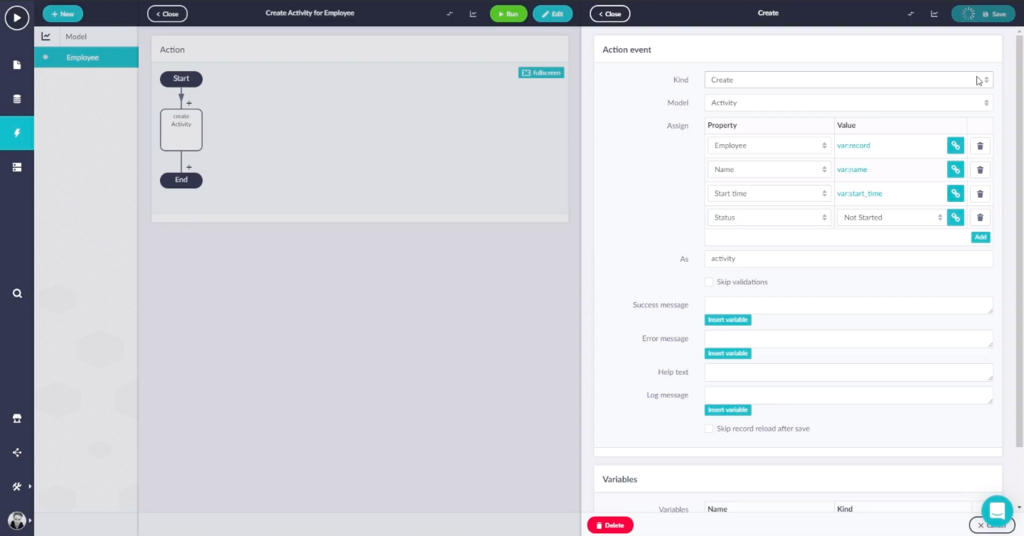
Historically, creating these kinds of automated systems required expensive, custom-built software. As technology evolved, platforms emerged that simplified the process. Early tools could connect one app to another in a simple way. Today's no-code platforms are far more sophisticated, allowing you to build complex, multi-step workflows that integrate dozens of different applications.
Real-World Applications
The power of no-code automation is best understood through examples. It’s used across every industry to make work more efficient.
A marketing team might build a workflow that automatically posts a link to a new blog article on all of its social media channels. It could also alert the sales team via Slack whenever a potential customer downloads a white paper from the website.
A human resources department could automate parts of the employee onboarding process. When a new hire is added to the HR system, a workflow could automatically send them welcome documents, create their accounts in various software tools, and schedule their first-week orientation meetings.
In each case, the goal is the same: let technology handle the predictable, rule-based tasks so people can focus on work that requires judgment, creativity, and connection.
These tools are transforming how businesses operate by empowering the people who actually do the work to improve their own processes. As you'll see, getting started is more about understanding your own workflows than it is about understanding technology.
What is the primary barrier that no-code automation platforms remove for people looking to automate their work?
Besides saving time, what is another major benefit of automating repetitive tasks like manual data entry?