No-Code App Development and Deployment
Introduction to No-Code Development
Building Without Code
Traditionally, creating a software application meant writing lines and lines of code. A team of specialized developers would translate an idea into a complex language that a computer could understand. This process is powerful, but it's also time-consuming, expensive, and requires deep technical expertise.
No-code development changes this. It’s an approach that allows anyone to build applications using visual tools instead of programming languages. Think of it like building with LEGOs. Instead of creating each plastic brick from scratch, you use pre-made blocks and connect them together to build whatever you can imagine.
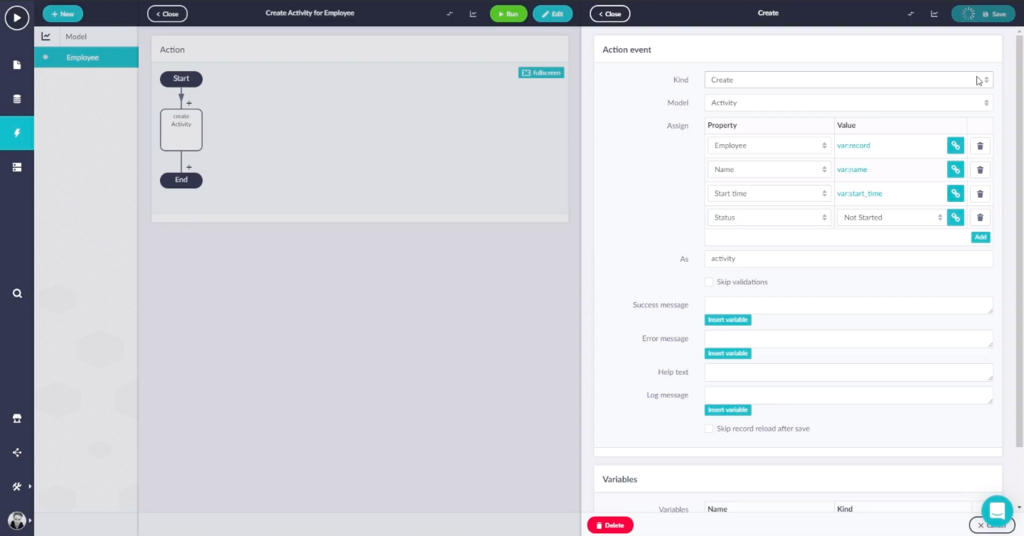
This visual method of building has huge advantages. The most obvious is speed. Projects that once took months can now be launched in weeks or even days. This rapid pace allows creators to test ideas quickly and get feedback from real users much sooner.
It also dramatically lowers the cost. By removing the need for large, specialized engineering teams, no-code makes app development affordable for small businesses, startups, and individuals. Suddenly, a great idea doesn't need a huge budget to become a reality.
No-code platforms eliminate the need for programming skills, making software development accessible to entrepreneurs, business professionals, and small teams.
Perhaps the biggest benefit is accessibility. No-code empowers people who understand a business problem but don't know how to code. Marketers, designers, entrepreneurs, and experts in any field can now build the tools they need themselves, without having to translate their vision to a developer.
The No-Code Toolbox
The world of no-code is vast, with many different platforms designed for various tasks. Some tools are great for building websites, others excel at creating mobile apps, and some focus on automating business workflows. This variety means you can often find a tool perfectly suited for your project.
| Platform | Primary Use |
|---|---|
| Bubble | Complex web applications |
| Adalo | Mobile apps (iOS & Android) |
| Webflow | Professional, design-focused websites |
| Zapier | Connecting different apps to automate tasks |
These platforms provide a visual canvas where you can drag and drop elements like buttons, text fields, and images. You then define the logic—what happens when a user clicks a button, for example—through simple dropdown menus and configuration panels.
Meet Bubble
Among the most powerful no-code platforms is Bubble. While many tools are great for simple sites or specific functions, Bubble is designed for building full-featured, complex web applications. Think social networks, booking platforms, or internal business dashboards.
Bubble gives you the creative freedom to build the exact application you want, complete with databases, user accounts, and interactive features, all without writing a single line of code.
It handles the front-end design (what the user sees) and the back-end logic (how the app works) in one integrated environment. This makes it a comprehensive tool for turning a sophisticated app idea into a functional product.
What is the primary method used to build applications in no-code development?
The "accessibility" benefit of no-code platforms primarily empowers which group of people?