No-Code AI Agents with Claude
Introduction to AI Agents
What Are AI Agents?
Think of an AI agent as a digital employee you can hire to do a specific job. You give it a goal, and it figures out the steps to get there. It perceives its environment, makes decisions, and takes actions, all on its own.
At its core, an agent is anything that can view its surroundings through sensors and act upon that environment through actuators. In the digital world, a “sensor” might be a new email arriving in an inbox, and an “actuator” could be the action of drafting and sending a reply.
agent
noun
An autonomous entity that perceives its environment through sensors and acts upon that environment through actuators to achieve specific goals.
Unlike a simple tool that waits for commands, an AI agent is designed with a degree of independence. This autonomy is what makes agents so powerful. They don't just follow a script; they reason, plan, and adapt.
AI agents are characterized by four key traits: Autonomy (acting independently), Reactivity (responding to environmental changes), Pro-activeness (taking initiative), and Social ability (communicating with other agents or humans).
This basic loop of perceiving, thinking, and acting allows agents to handle complex, multi-step tasks that would otherwise require human intervention.
Smarter Than a Script
What really separates an AI agent from a traditional piece of software? The biggest difference lies in their ability to handle change and ambiguity.
Traditional software is built on fixed rules. If X happens, do Y. This is great for predictable, repetitive tasks. But if an unexpected situation arises, the program will likely fail or produce an error. It can't think outside its pre-programmed logic.
AI agents, on the other hand, are designed for dynamic environments. Powered by large language models (LLMs) and machine learning, they can reason about new information and adjust their strategy. If one approach doesn't work, an agent can try another. It learns from its experience.
| Feature | Traditional Software | AI Agent |
|---|---|---|
| Nature | Rule-based, static | Goal-oriented, dynamic |
| Decision Making | Follows a pre-defined script | Makes autonomous decisions |
| Adaptability | Low; struggles with new situations | High; learns and adapts |
| Environment | Best for stable, predictable tasks | Excels in complex, changing worlds |
AI agents differ from traditional automation by their ability to reason, adapt, and make decisions based on changing conditions.
Agents at Work
The idea of autonomous agents has been around for decades, but recent breakthroughs in AI have made them more capable and accessible than ever. They're no longer confined to research labs; they're actively changing how businesses operate.
In e-commerce, an agent might manage inventory by monitoring sales data, predicting future demand, and automatically placing orders with suppliers. In finance, agents execute trades by analyzing market trends in real-time, working faster than any human ever could. Customer support chatbots have evolved into sophisticated agents that can access a customer's history, understand their issue, and process a return without human help.
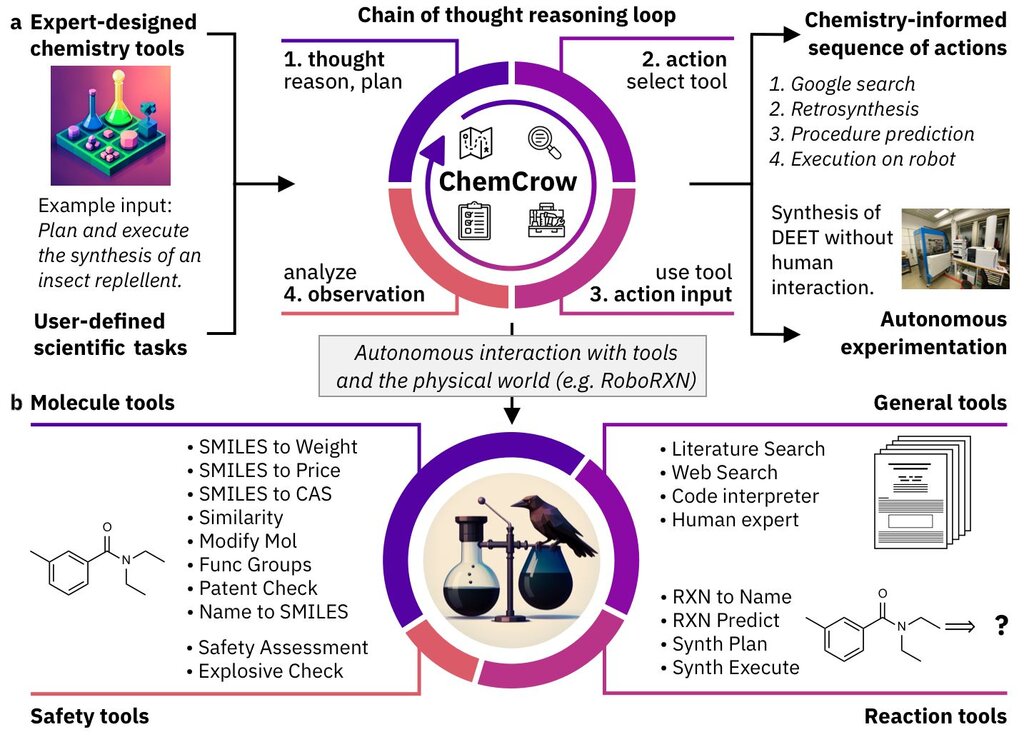
The main benefits for businesses are efficiency and scale. Agents can automate complex workflows, freeing up human employees to focus on strategy and creativity. They can operate 24/7, handle enormous amounts of data, and execute tasks with a speed and precision that humans can't match.
Before we dive deeper, take a moment to test your understanding of the core concepts we've covered so far.
What are the three core steps in an AI agent's operational loop?
An AI agent manages an e-commerce store's inventory. According to the definition, what is its 'actuator'?
This shift from simple automation to intelligent action marks a significant step forward in artificial intelligence. As the technology matures, agents will become even more integrated into our daily and professional lives, acting as capable partners in a huge range of tasks.