No-Code AI Agent Creation
Introduction to AI Agents
What Are AI Agents?
Think of an AI agent as a smart assistant that can do things for you. It's a program designed to sense its digital environment, make decisions, and take actions to achieve a specific goal. Instead of just answering a question and stopping, an agent can carry out multi-step tasks on its own.
The core purpose of an AI agent is to automate tasks and decision-making, acting on your behalf with a degree of autonomy.
agent
noun
A software program that can perceive its environment, make decisions, and take actions to achieve specific goals without constant human input.
This could be as simple as a spam filter automatically moving junk mail to the right folder, or as complex as an agent that manages your calendar, scheduling meetings by coordinating with others. The key is that it doesn't just process information; it acts on it. But just like people, not all agents work the same way.
Types of Agents
AI agents can be categorized in many ways, but a simple way to start is by looking at how they decide to act. The two main types you'll encounter are reactive and proactive agents.
Reactive agents are the simplest type. They operate on a basic "if this, then that" logic. They perceive the world and react to it based on a set of predefined rules. They don't have memory of past events or think about future consequences; they just respond to what's happening right now.
Proactive agents are more advanced. They don't just react to their environment; they actively work towards a goal. They can make plans and consider how their actions will bring them closer to their objective. This requires an internal understanding of the world and the ability to think ahead.
| Feature | Reactive Agent | Proactive Agent |
|---|---|---|
| Action Trigger | The current situation | A long-term goal |
| Decision Basis | Pre-programmed rules | Planning and reasoning |
| Complexity | Simple | Complex |
| Example | A thermostat turning on heat when it gets cold. | A trip-planning agent booking flights and hotels. |
The thermostat is a perfect example of a reactive agent. It senses the temperature (its environment) and reacts by turning on the heat when it drops below a set point. It doesn't plan for the week's weather. In contrast, a proactive travel agent might look at your goal—say, "book a cheap trip to Miami next month"—and then perform a series of actions like searching multiple airlines, comparing hotel prices, and checking for rental car deals to achieve it.
Capabilities and Limitations
AI agents have a powerful set of capabilities. They can process huge amounts of information far faster than a human, operate 24/7 without getting tired, and execute complex, repetitive tasks with precision. Because they can connect to different tools and data sources, they can accomplish tasks that involve multiple steps across various platforms.
Unlike traditional AI systems that execute predefined tasks, AI agents can make independent decisions, plan their actions, and adjust their strategies based on feedback and changing conditions.
However, they also have significant limitations. An agent's performance is entirely dependent on the quality of its programming and the data it can access. They lack genuine understanding and common sense, which can lead them to make strange or nonsensical errors. For example, an agent might misunderstand the nuance in a request and pursue a goal in a completely illogical way.
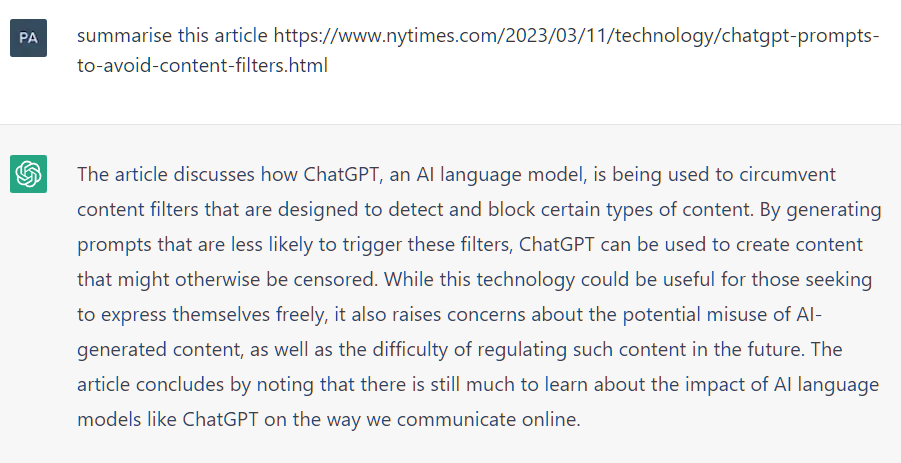
They can also "hallucinate," or invent facts, when they don't have the correct information. It's crucial to remember that agents are tools, not conscious beings, and they require careful setup and oversight to be effective and safe.
Agents in the Wild
AI agents are already at work in many places, often behind the scenes. Here are a few examples:
- Customer Service: Chatbots that do more than just answer FAQs. They can look up your order status, process a return, or help you troubleshoot a problem, all without human intervention.
- Personal Assistants: Digital assistants like Siri or Google Assistant are becoming more agent-like. They can already set reminders and send texts, and they are moving towards handling more complex tasks like booking appointments or making reservations.
- E-commerce: Online shopping sites use agents to provide personalized recommendations, adjust prices dynamically based on demand, and manage inventory.
- Supply Chain Management: Agents can monitor inventory levels, track shipments, and automatically reorder products when supplies run low, optimizing the entire process.
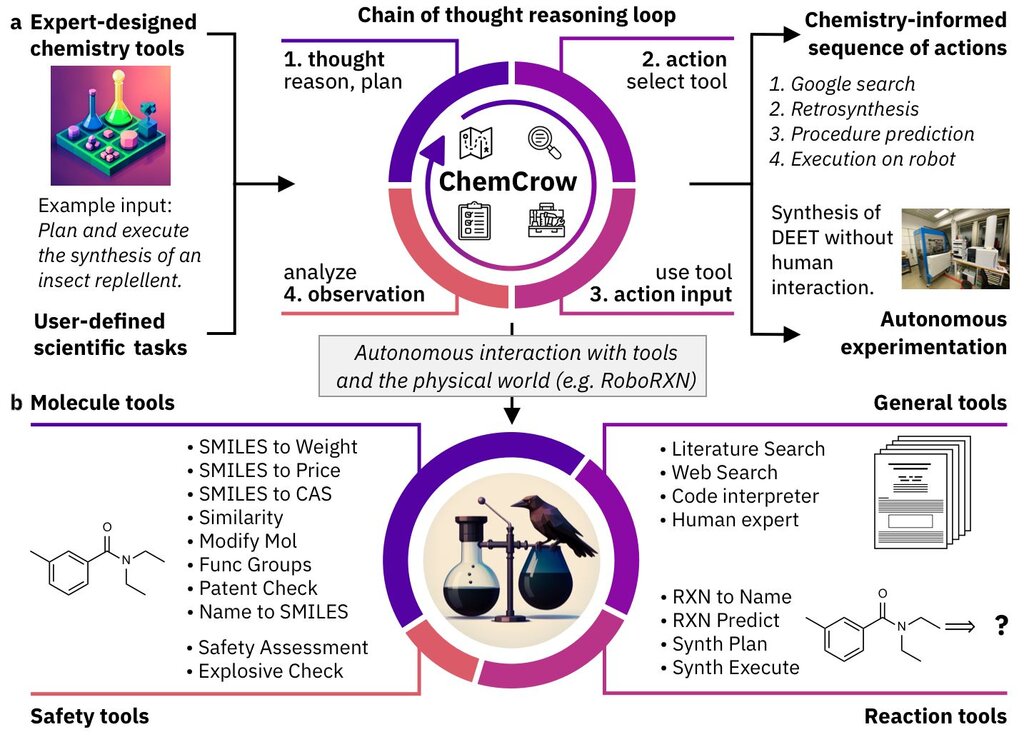
These applications show how agents are moving beyond simple chatbots to become powerful tools for automation in both our personal and professional lives.
What is the primary function that distinguishes an AI agent from a simpler program like a calculator?
An AI system monitors a company's inventory. When a product's stock drops below 100 units, it automatically places a reorder with the supplier. How would you classify this agent?
By understanding these core concepts, you're ready to explore how you can start building and using AI agents yourself, even without writing a single line of code.