Nmap Essentials for Network Exploration
Introduction to Nmap
Mapping the Digital World
Think of a sprawling city. Before you can secure it, you need a map showing every building, street, and alley. In the digital world, computer networks are those cities, and Nmap is one of the most powerful mapmakers available.
Nmap, which stands for Network Mapper, is a free and open-source tool used for network discovery and security auditing. At its core, Nmap sends specially crafted packets to a target system and then analyzes the responses to gather information.
You can think of it as a scout, sent to survey a digital landscape. It can identify what devices are running on a network, what services (like websites or email servers) those devices are offering, and even what operating systems they are running.
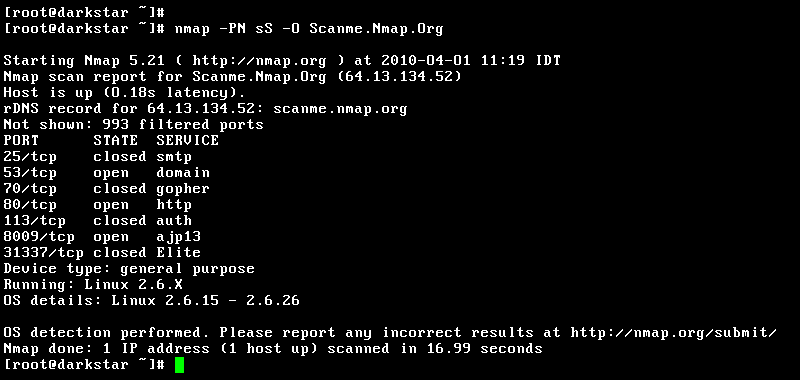
Network administrators use Nmap to create an inventory of all the devices connected to their network. It helps them keep track of everything from servers to printers. For cybersecurity professionals, Nmap is an indispensable tool for reconnaissance, the first step in identifying potential weaknesses.
A Double-Edged Sword
Nmap is a powerful tool, which means it can be used for both good and bad. Ethical hackers, also known as white hats, use it to find vulnerabilities in a network so they can be fixed. They're like security guards who check all the doors and windows to make sure they're locked.
On the other hand, malicious hackers, or black hats, use the exact same tool to find those same unlocked doors and windows to break in. The only difference is intent.
This dual nature brings up important ethical and legal questions. Using Nmap isn't inherently illegal, but how you use it matters.
Staying on the Right Side of the Law
Scanning a network without permission is like walking up to someone's house and testing all their doors and windows. Even if you don't intend to enter, the owner might see it as a threat. In many places, unauthorized port scanning can be considered a violation of computer crime laws.
Beginners should never perform reconnaissance on systems they do not own or have authorisation to test.
The golden rule is simple: only scan networks and systems that you own or have explicit, written permission to test.
For professionals, this permission is part of a formal agreement before a penetration test or security audit begins. For learners, it means practicing on your own computers and networks, or using specially designed online platforms that allow you to test your skills in a safe, legal environment.
Understanding Nmap is a foundational step in cybersecurity. It teaches you how to see a network from an attacker's perspective, which is the first step toward building a strong defense.
What is the primary function of Nmap?
Using Nmap to scan a network you do not own is illegal, regardless of your intent.