NIST AI Risk Management Framework Explained
Introduction to AI Risk Management
What Is AI Risk?
Artificial intelligence holds immense promise, but like any powerful tool, it comes with risks. AI risk is simply the potential for an AI system to cause harm. This harm isn't always science fiction drama; it’s often subtle and can affect people in very real ways.
Consider a few examples:
- Bias and Fairness: An AI model used for hiring might learn to favor candidates from certain backgrounds, unfairly penalizing qualified applicants from others.
- Safety: An autonomous vehicle's navigation system could misinterpret a road sign, leading to an accident.
- Privacy: A system that analyzes customer data might inadvertently expose sensitive personal information.
- Accountability: If an AI makes a critical error, who is responsible? The developers? The users? The organization that deployed it? Unclear accountability is a significant risk.
These aren't just technical glitches. They are failures that can have serious ethical, financial, and social consequences.
The Cost of Unmanaged Risk
Ignoring AI risk is like building a skyscraper without inspecting the foundation. The structure might go up, but its stability is a gamble. When an AI system fails, the fallout can be severe, leading to legal penalties, loss of customer trust, and significant damage to an organization's reputation.
Effective risk management isn't about preventing innovation. It's about enabling it responsibly.
Managing these risks from the outset helps ensure that AI systems are not only effective but also safe, fair, and reliable. It’s a proactive process of identifying what could go wrong and putting safeguards in place before it does.
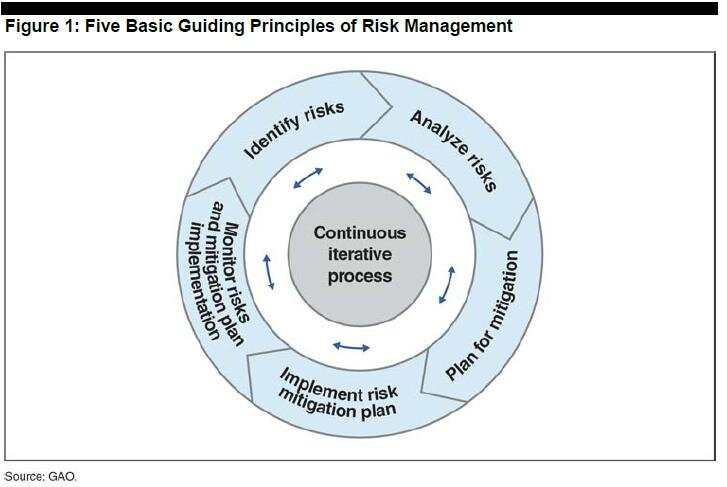
Frameworks for Building Trust
Fortunately, we don't have to start from scratch. Several organizations have developed AI risk management frameworks. These are structured collections of guidelines, best practices, and processes designed to help organizations navigate the complexities of AI safety and ethics.
Effective NIST framework implementation requires collaboration among legal, HR, operations, and other teams to address cybersecurity, privacy, and emerging risks like those posed by AI comprehensively, ensuring a holistic approach to risk management.
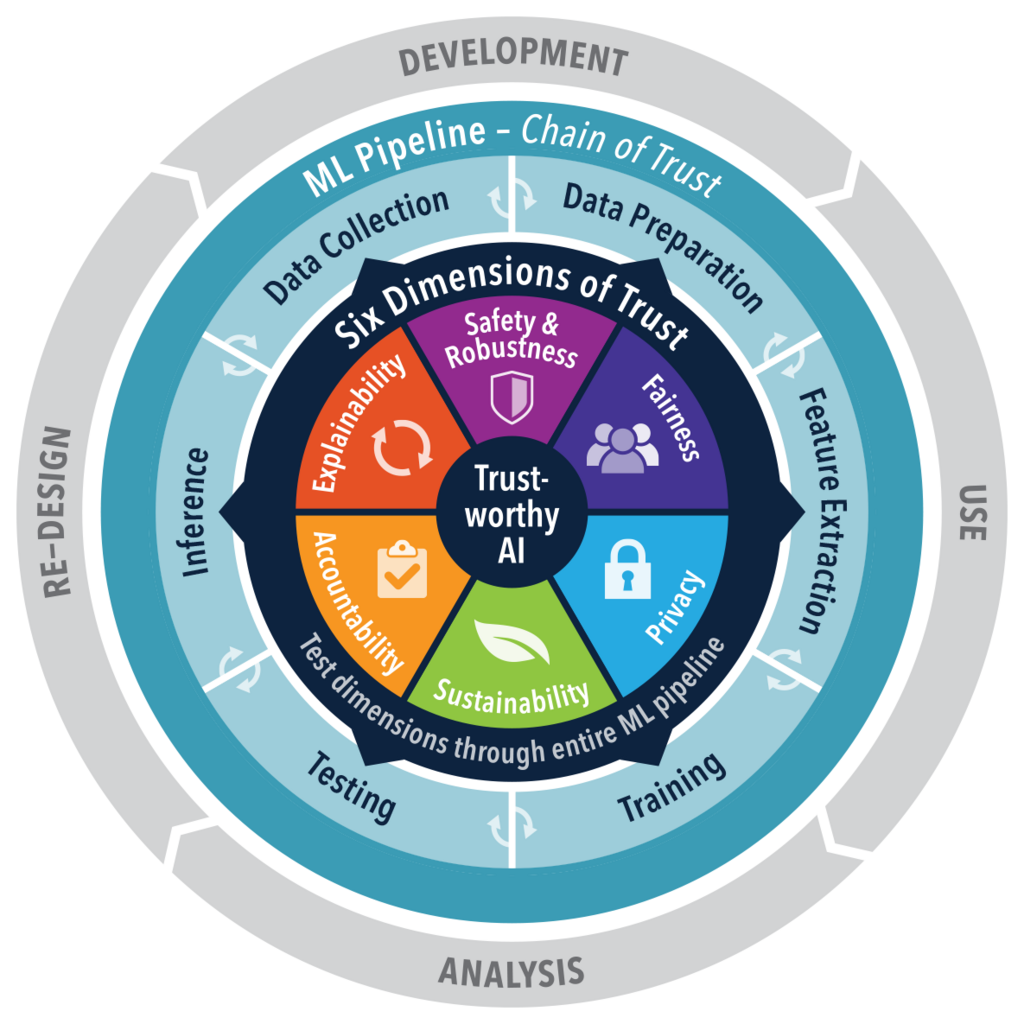
Think of a framework as a blueprint. It provides a systematic, repeatable way to think about and manage risks throughout an AI system's entire lifecycle, from the initial idea to its eventual retirement. While different frameworks exist, they all share a common goal: to help developers and organizations build AI that we can trust. One of the most prominent examples is the AI Risk Management Framework (AI RMF) from the National Institute of Standards and Technology (NIST), which provides a detailed roadmap for this process.
Now, let's review the key concepts we've covered.
What is the most accurate definition of "AI risk"?
An AI-powered loan application system consistently denies loans to applicants from a specific neighborhood, even when their financial profiles are strong. This is a direct example of which type of AI risk?
By understanding what AI risk is, why it matters, and how frameworks can help, we can move from simply building AI to building better, safer AI.