Nilambur Forest Profile
Introduction to Nilambur Forest
The Teak Forests of Nilambur
Nestled in the Malappuram district of Kerala, India, lies the Nilambur forest. It's a vast expanse of green that forms a crucial part of the Nilgiri Biosphere Reserve. This entire region is recognized as a UNESCO World Heritage site, one of the world's most important hotspots for biodiversity.
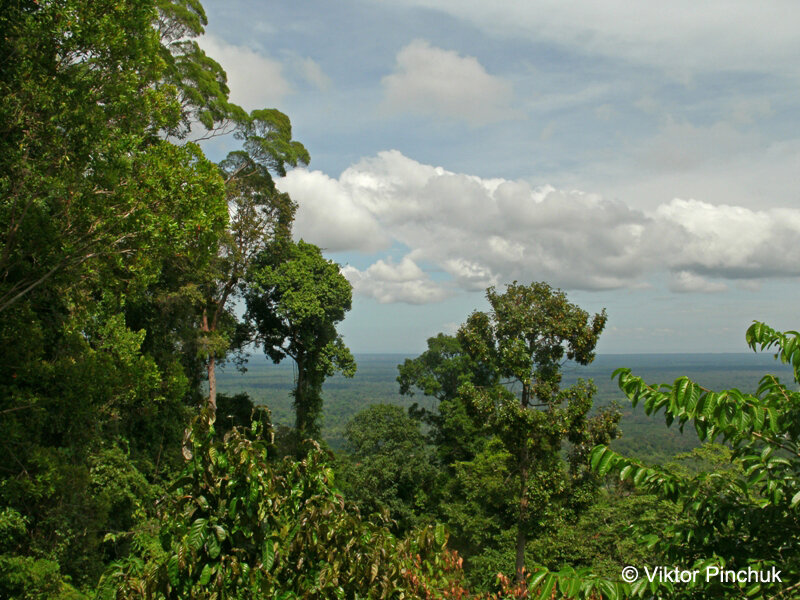
The forest isn't just a patch of wilderness; it's woven into the larger tapestry of the Western Ghats. This mountain range runs parallel to India's western coast and is older than the Himalayas. The forests here, including Nilambur, are vital for regulating the region's climate and are the source of numerous rivers. One such river, the Chaliyar, flows right through Nilambur, shaping the landscape and the lives of the people around it.
A Living History
Nilambur's history is deeply connected to one particular tree: teak. During the British colonial period, the demand for high-quality timber for shipbuilding and railways was immense. The British authorities saw the potential of the Nilambur region and established the world's first scientifically managed teak plantation here in the 1840s.
This initiative transformed forestry practices. Instead of just harvesting timber, the focus shifted to sustainable cultivation, ensuring a continuous supply of this valuable wood.
This historical plantation, known as the Conolly's Plot, still exists today. It stands as a living museum, a testament to a pivotal moment in the history of forest management. The presence of these historic teak plantations gives Nilambur a unique identity, blending natural forest with areas that have been carefully managed for nearly two centuries.
A Unique Landscape
What makes Nilambur special is this mix of natural and managed ecosystems. You'll find tracts of moist deciduous forest, home to a wide array of plants and animals, alongside the orderly rows of towering teak trees. This combination creates a varied landscape that supports different forms of life.
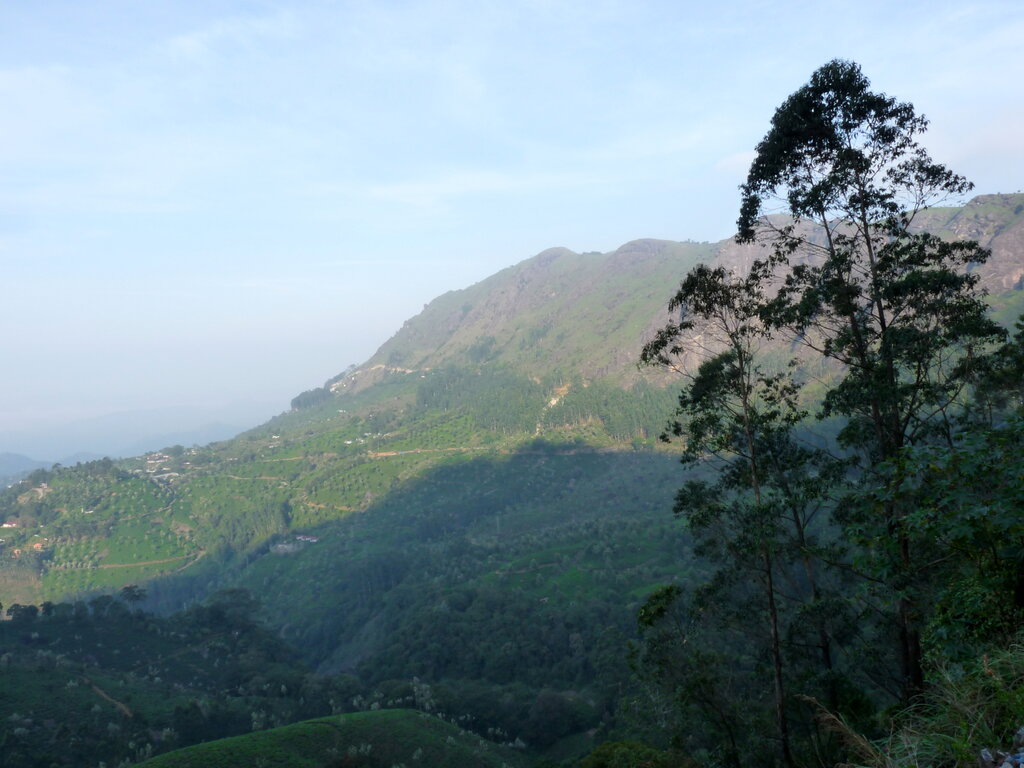
The region is also home to some of the oldest tribal communities in Kerala, like the Cholanaikkans, who have an intimate knowledge of the forest. Their presence adds a rich cultural layer to Nilambur's ecological and historical importance.
The forest is more than just trees; it's a place where history, nature, and culture meet, all under the canopy of the Western Ghats.