Nigerian Politics History and Presidential Ambitions
Pre-Colonial Nigeria
A Land of Many Kingdoms
Before the name "Nigeria" existed, the land was a mosaic of distinct kingdoms, empires, and societies. Hundreds of ethnic groups, each with its own language and traditions, flourished across the diverse landscapes, from the dry savannas of the north to the humid rainforests of the south.
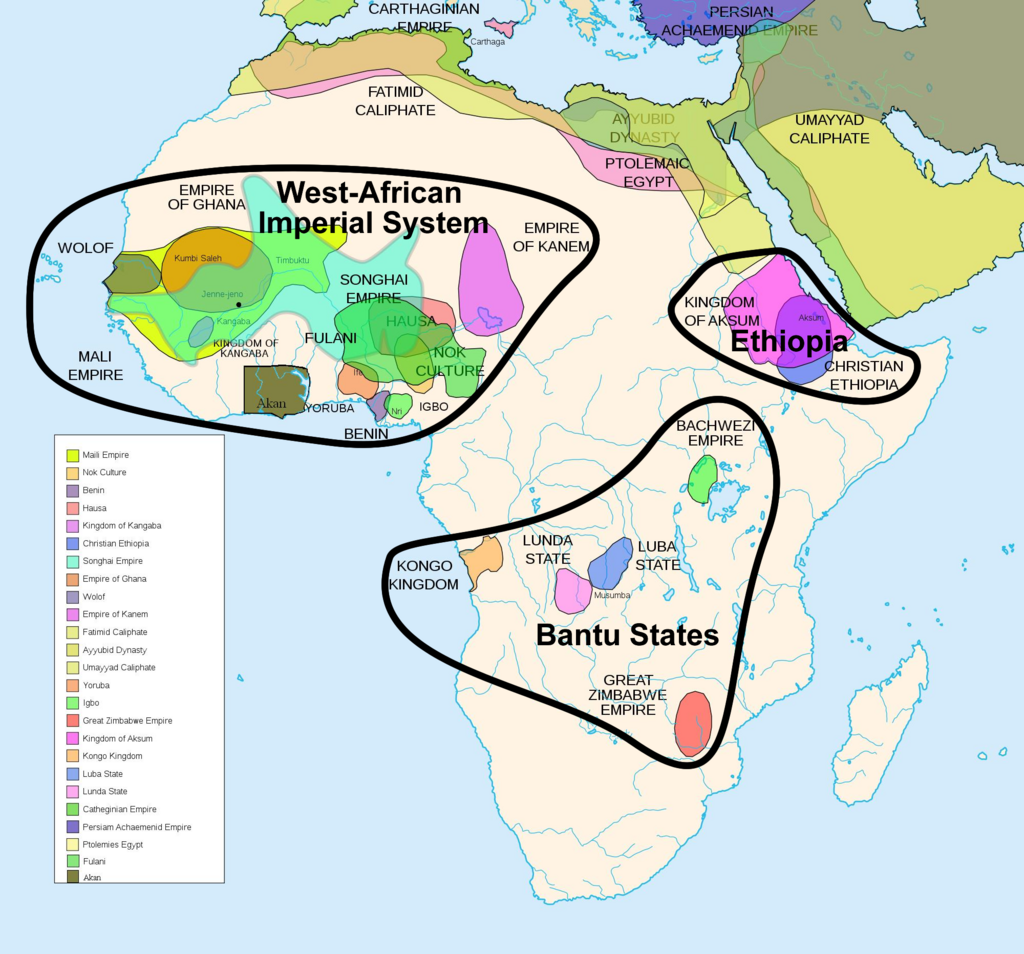
This wasn't a single, unified country. It was a region of constant change, where powerful states rose and fell, trade routes connected distant peoples, and complex political systems governed millions. Understanding this pre-colonial era is key to understanding Nigeria today.
Governance North and South
Political structures varied dramatically across the region. In the north, the Hausa city-states, such as Kano and Katsina, were major centers of trade and Islamic scholarship. By the early 1800s, these states were united under a massive political and religious entity.
Caliphate
noun
An Islamic state under the leadership of a political and religious successor to the prophet Muhammad.
The Sokoto Caliphate, led by the Fulani scholar Usman dan Fodio, established a centralized government. Power flowed from the Sultan in Sokoto down to Emirs who ruled over specific territories.
In the southwest, the Yoruba people organized themselves into powerful city-states and empires. The city of Ife was considered the spiritual homeland, while the Oyo Empire grew into a formidable military and political power, controlling vast territories and trade routes.
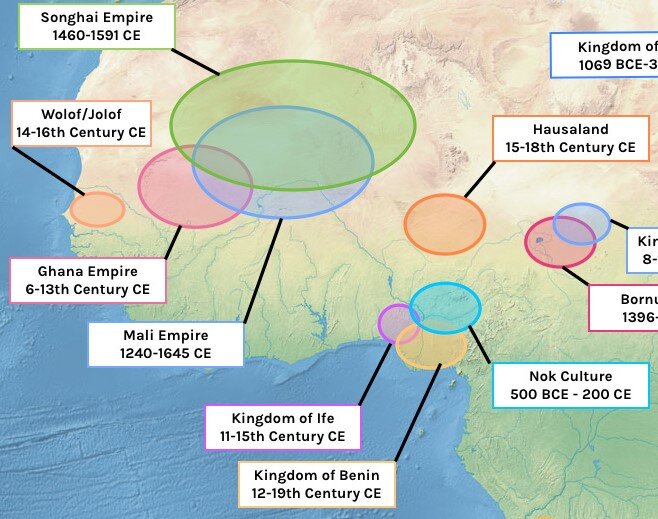
Contrast these centralized systems with the societies of the southeast. The Igbo people lived in autonomous villages and towns. They governed themselves through democratic councils of elders and general assemblies where all adult males could participate. This system was highly decentralized, with no single king or chief ruling over all Igbo-speaking people.
Trade, Conflict, and Culture
Relations between these diverse groups were complex. Long-distance trade was a powerful connecting force. Camel caravans crossed the Sahara, linking the northern Hausa states with North Africa and the Middle East. They traded goods like salt, gold, leather, and enslaved people.
In the south, extensive river and land routes connected different communities. The Igbo, for example, were known for their markets and extensive trade networks that moved goods throughout the region.
By the end of the eighteenth century, the area that was to become Nigeria was far from a unified country.
Trade often fostered alliances and cultural exchange, but competition for resources and political dominance also led to conflict. Empires like Oyo and Benin expanded their territories through military conquest. The Sokoto Caliphate was established through a series of wars, known as a jihad. Slavery was also a part of these societies, both for internal use and for trade, long before Europeans dominated the transatlantic slave trade.
Despite conflicts, ideas, technologies, and artistic styles traveled along these networks of exchange, creating a rich and interconnected pre-colonial world.
Now, let's test your knowledge of Nigeria's pre-colonial societies.
Which of the following best describes the political organization of the Igbo people in the pre-colonial era?
The Sokoto Caliphate, established in the early 1800s, united which group of states under a centralized government?
These diverse and sophisticated societies formed the foundation upon which the modern nation of Nigeria was eventually built, though often through force and foreign intervention.