Nigerian Business Tax Law Updates
Introduction to Nigerian Tax System
The Lay of the Land
In Nigeria, taxes are the money businesses and individuals pay to the government. This revenue funds public services like roads, schools, and hospitals. Three tiers of government collect taxes: the Federal, State, and Local governments. Each has its own set of taxes it's responsible for collecting.
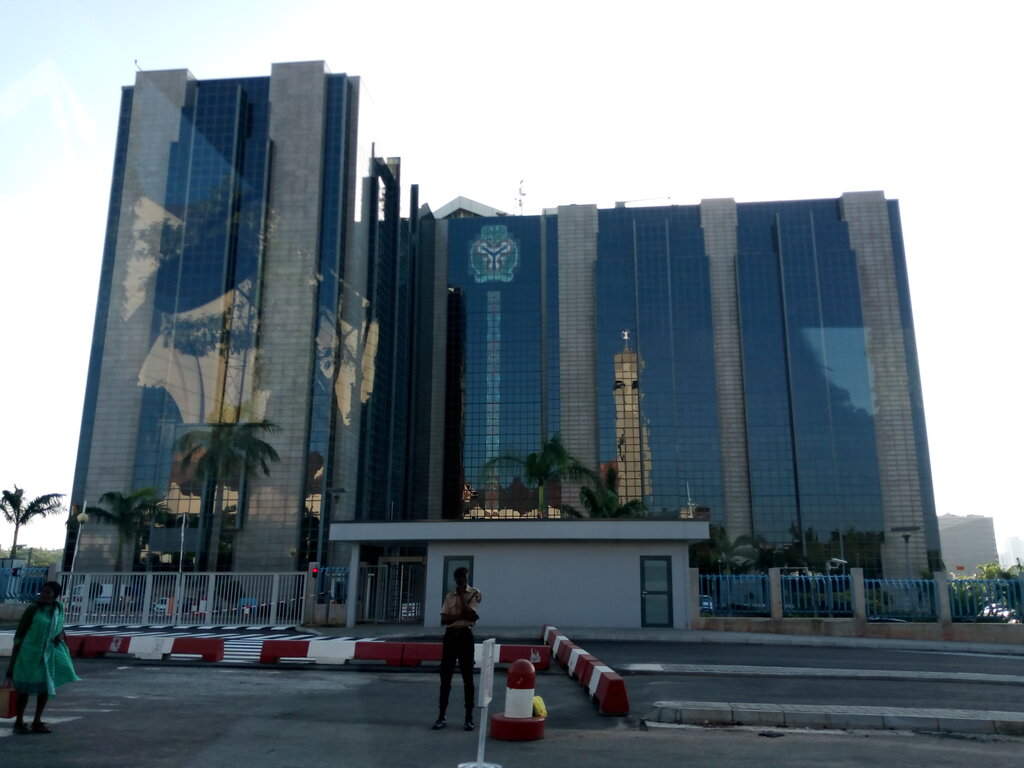
For any business, big or small, understanding which taxes apply is the first step toward compliance. The main tax authority at the federal level is the Federal Inland Revenue Service (FIRS). State governments have their own State Boards of Internal Revenue, and Local Government Revenue Committees handle levies at the local level.
Companies Income Tax (CIT)
Think of Companies Income Tax, or CIT, as a tax on a company's success. It's a direct tax paid on the profits a company makes in a year. If a company doesn't make a profit, it generally doesn't pay CIT for that year, though there are some exceptions.
CIT is calculated as a percentage of a company's taxable profit. This applies to all companies registered in Nigeria, as well as foreign companies doing business here.
The rate isn't the same for everyone. It's structured to help smaller businesses grow. Small companies with a turnover of less than ₦25 million pay 0% CIT. Medium-sized companies, with turnover between ₦25 million and ₦100 million, pay 20%. Large companies with turnover above ₦100 million pay the full rate of 30%.
Value Added Tax (VAT)
Value Added Tax, or VAT, is different from CIT. It's not a tax on profit, but a tax on consumption. It's added to the price of most goods and services sold in Nigeria. The current rate is 7.5%.
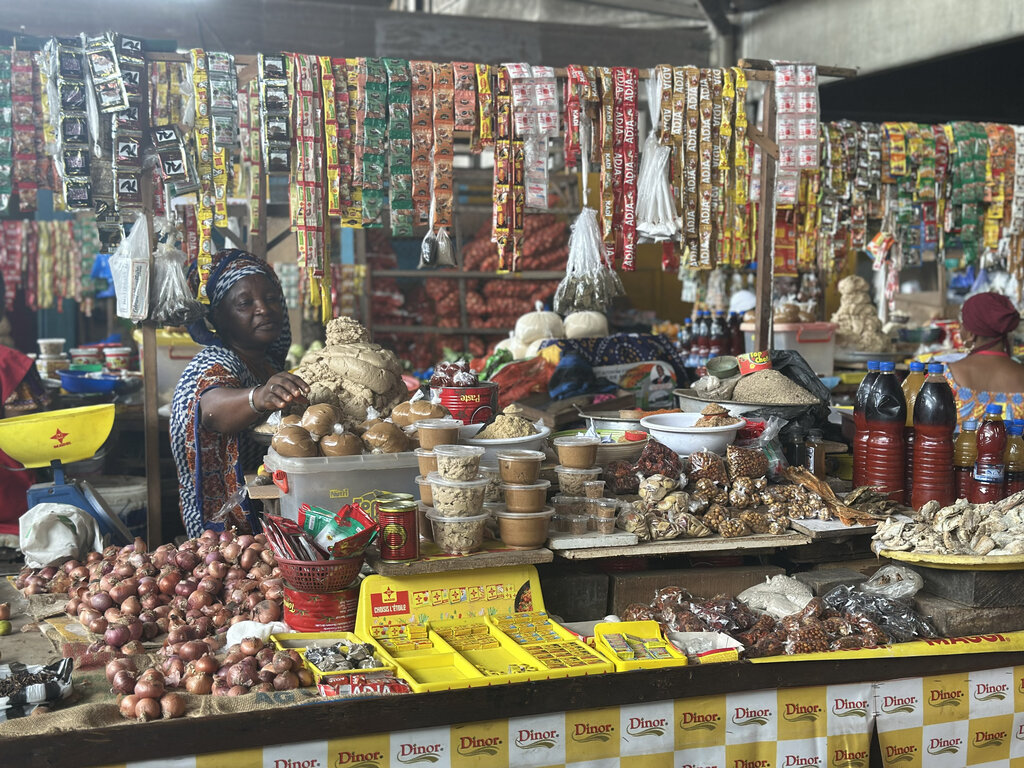
Here’s how it works. A manufacturer sells a product to a wholesaler and adds 7.5% VAT to the price. The wholesaler then sells it to a retailer, also adding 7.5% VAT. Finally, the retailer sells it to you, the final consumer, and you pay the 7.5% VAT on the final price. At each stage, the business collects the VAT and remits it to the government, after deducting any VAT it paid on its own purchases. This makes the end consumer the one who ultimately bears the cost.
Some essential goods and services are exempt from VAT. This includes basic food items, medical services, and educational materials.
Other Key Business Taxes
Beyond CIT and VAT, businesses need to be aware of several other taxes and levies. While not an exhaustive list, these are some of the most common ones.
| Tax/Levy | Who Collects It | What It's For |
|---|---|---|
| Personal Income Tax (PAYE) | State Government | Tax on employee salaries, deducted and remitted by the employer. |
| Withholding Tax (WHT) | Federal or State | An advance payment of income tax, deducted from payments like rent, dividends, and professional fees. |
| Education Tax | Federal Government | A tax of 2.5% on the assessable profit of all registered companies. |
| Business Premises Levy | State/Local Government | An annual fee for the premises where a business operates. |
Each of these plays a role in the overall tax system. For instance, the Pay-As-You-Earn (PAYE) system ensures that personal income taxes are collected efficiently from employees through their employers.
Now, let's check your understanding of these core concepts.
Which government body is primarily responsible for collecting Companies Income Tax (CIT) in Nigeria?
A medium-sized company with an annual turnover of ₦75 million is exempt from paying Companies Income Tax (CIT).
Understanding these foundational taxes is crucial for any business operating in Nigeria. They form the basis of the country's revenue system and are a key responsibility for every company.