Nietzsche's Thus Spoke Zarathustra Explained
Introduction to Nietzsche
The Philosopher with a Hammer
Friedrich Nietzsche was a man who took a hammer to the foundational beliefs of Western civilization. A 19th-century German thinker, he challenged everything from religion and morality to the very idea of truth. His writing is fiery, poetic, and often intentionally provocative, forcing readers to confront uncomfortable questions about the values they live by.
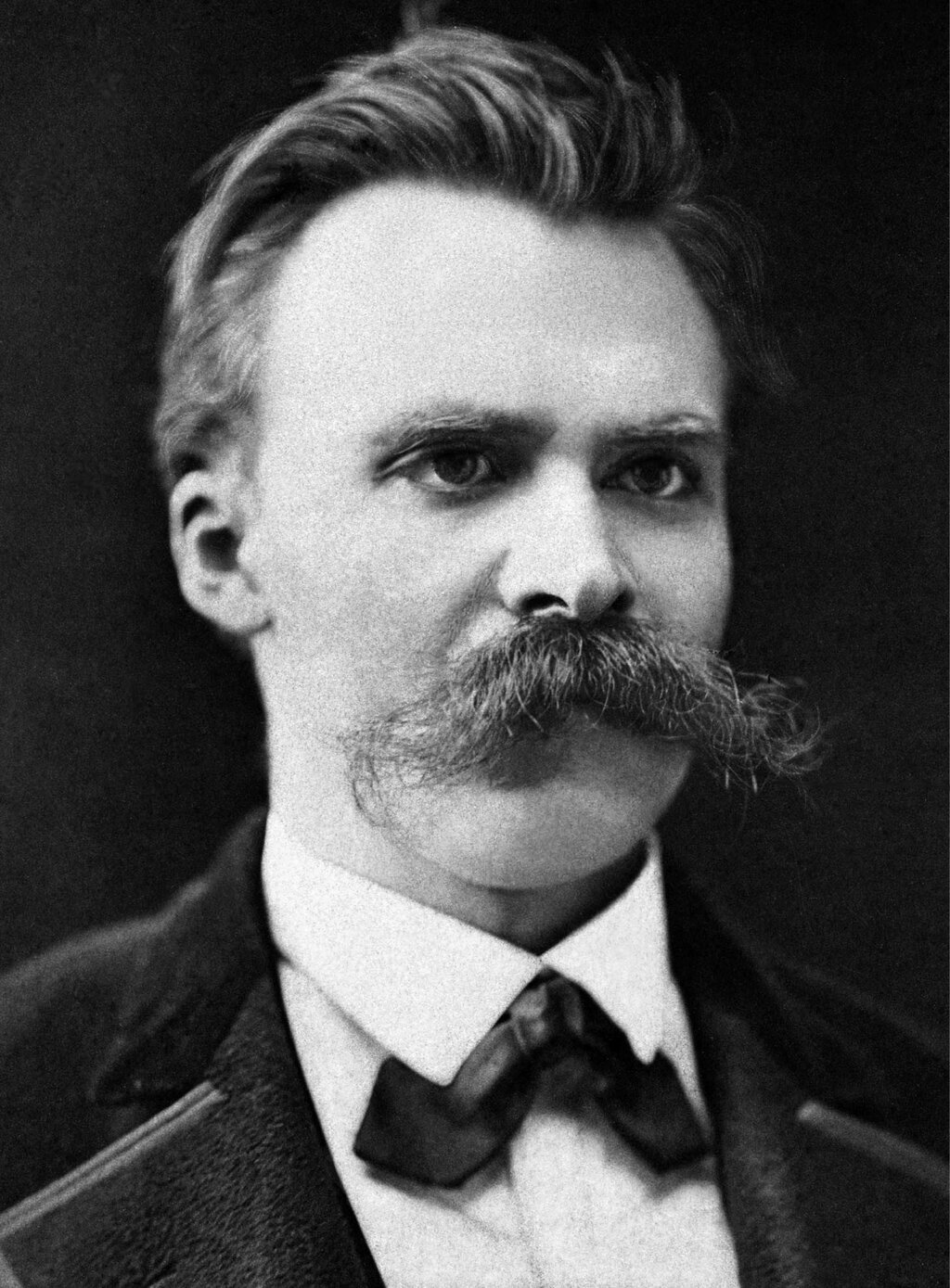
Born in 1844 in a small town in Prussia, Nietzsche grew up in a devoutly religious household; his father was a Lutheran pastor who died when Friedrich was just a boy. He was a brilliant student. At only 24, he became the youngest person ever appointed to a full professorship in classical philology at the University of Basel in Switzerland.
But academic life didn't suit him. Plagued by debilitating health problems—severe migraines, stomach issues, and failing eyesight—he resigned his position after just ten years. For the next decade, he wandered through Italy, France, and Switzerland, living in modest boarding houses and writing the books that would make him famous after his death. This period of isolation was his most productive.
A Europe in Flux
To understand Nietzsche, you have to understand his time. The 19th century was an era of radical change and uncertainty in Europe. The authority of the church, which had been the bedrock of society for centuries, was eroding under the rise of science and critical thinking. Charles Darwin's theory of evolution, published when Nietzsche was a teenager, had profoundly shaken traditional religious beliefs about humanity's place in the universe.
This loss of faith created a vacuum. If God was no longer the source of meaning and morality, what was? This is the crisis Nietzsche famously diagnosed with the phrase "God is dead." He wasn't celebrating; he was sounding an alarm. He saw that the collapse of the old value system could lead to nihilism—the belief that life is meaningless.
Politically, it was also a turbulent time. Germany was unifying into a powerful nation-state, nationalism was on the rise across the continent, and the Industrial Revolution was transforming economies and societies. Nietzsche was deeply critical of these trends, seeing in them a move toward conformity and what he called a "herd morality." His philosophy was a response to this changing world, an attempt to find a new path for humanity.
A Philosophical Journey
Nietzsche's works trace his evolving thought. His first book, The Birth of Tragedy (1872), explored ancient Greek culture through the lens of two opposing forces: the Apollonian (order, reason, form) and the Dionysian (chaos, passion, intoxication). He argued that the greatness of Greek tragedy came from the fusion of these two.
As he moved away from academia, his style changed. In books like Human, All Too Human and The Gay Science, he adopted a more aphoristic style, presenting his ideas in short, powerful paragraphs and single sentences. It was in The Gay Science that he first declared, through a character called the "madman," that "God is dead."
His most famous work is Thus Spoke Zarathustra, a philosophical novel written in a poetic, biblical style. This is where he introduces his core concepts of the Übermensch (often translated as "Overman" or "Superman"), the will to power, and the eternal recurrence.
Later works like Beyond Good and Evil and On the Genealogy of Morality offer a scathing critique of traditional moral systems, particularly Christian morality, which he argued was a "slave morality" that championed weakness and suppressed humanity's noble instincts.
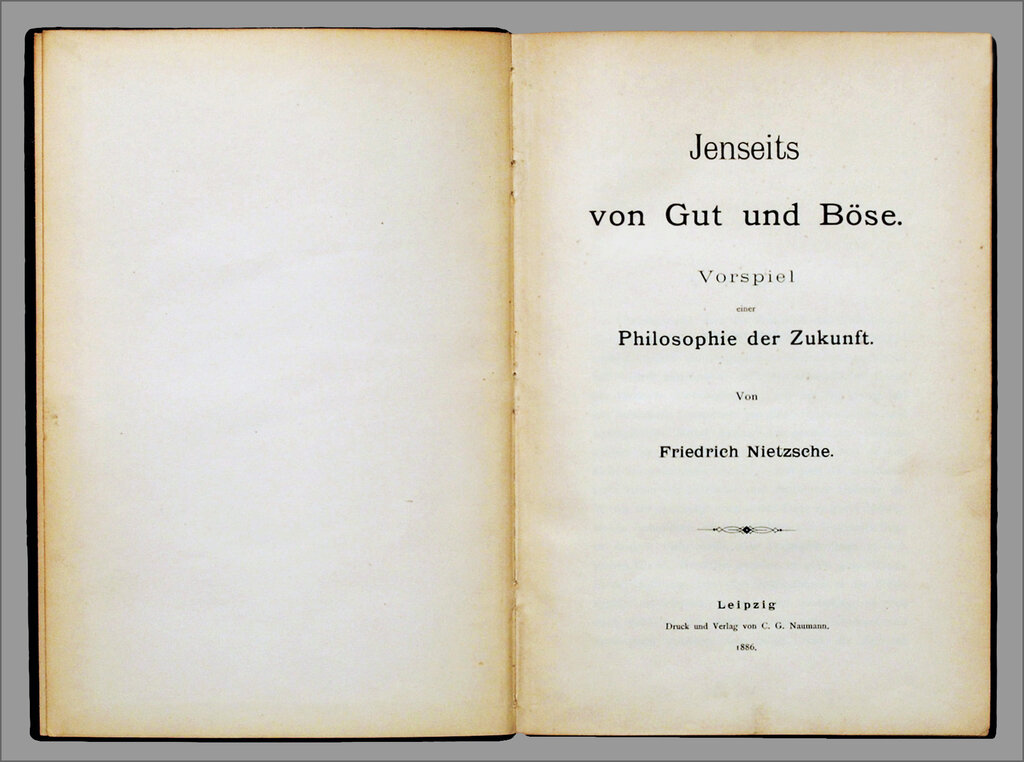
Nietzsche's productive life came to an abrupt end in 1889 when he suffered a complete mental breakdown in Turin, Italy. He lived for another decade under the care of his mother and sister, never recovering his sanity. He died in 1900, just as his work was beginning to gain international recognition.
Central to Nietzsche’s philosophy was the quality of Selbstuberwindung, or ‘self-overcoming’.
This idea of self-overcoming is a constant thread through his work. For Nietzsche, life wasn't about finding happiness or comfort, but about striving, growing, and constantly pushing beyond one's own limitations to become something more. It is the creative force that drives individuals to forge their own values in a world without divine commandments.
What did Nietzsche primarily mean by his famous declaration, "God is dead"?
In his first book, The Birth of Tragedy, Nietzsche argued that the greatness of Greek tragedy arose from the fusion of two opposing forces: the Apollonian and the _________.
Nietzsche's life and the turbulent century he lived in are the keys to unlocking his challenging, and often misunderstood, philosophy. He wrote for a future he believed was in crisis, offering not easy answers, but a radical call for individual strength and self-creation.