Nietzsche's God is Dead
Nietzsche's Life and Works
Who Was Friedrich Nietzsche?
Friedrich Nietzsche was a man whose life was as dramatic and unconventional as his philosophy. Born in 1844 in a small Prussian village, his father was a Lutheran pastor who died when Friedrich was just five. This early encounter with loss and the foundations of faith shaped his thinking for the rest of his life.
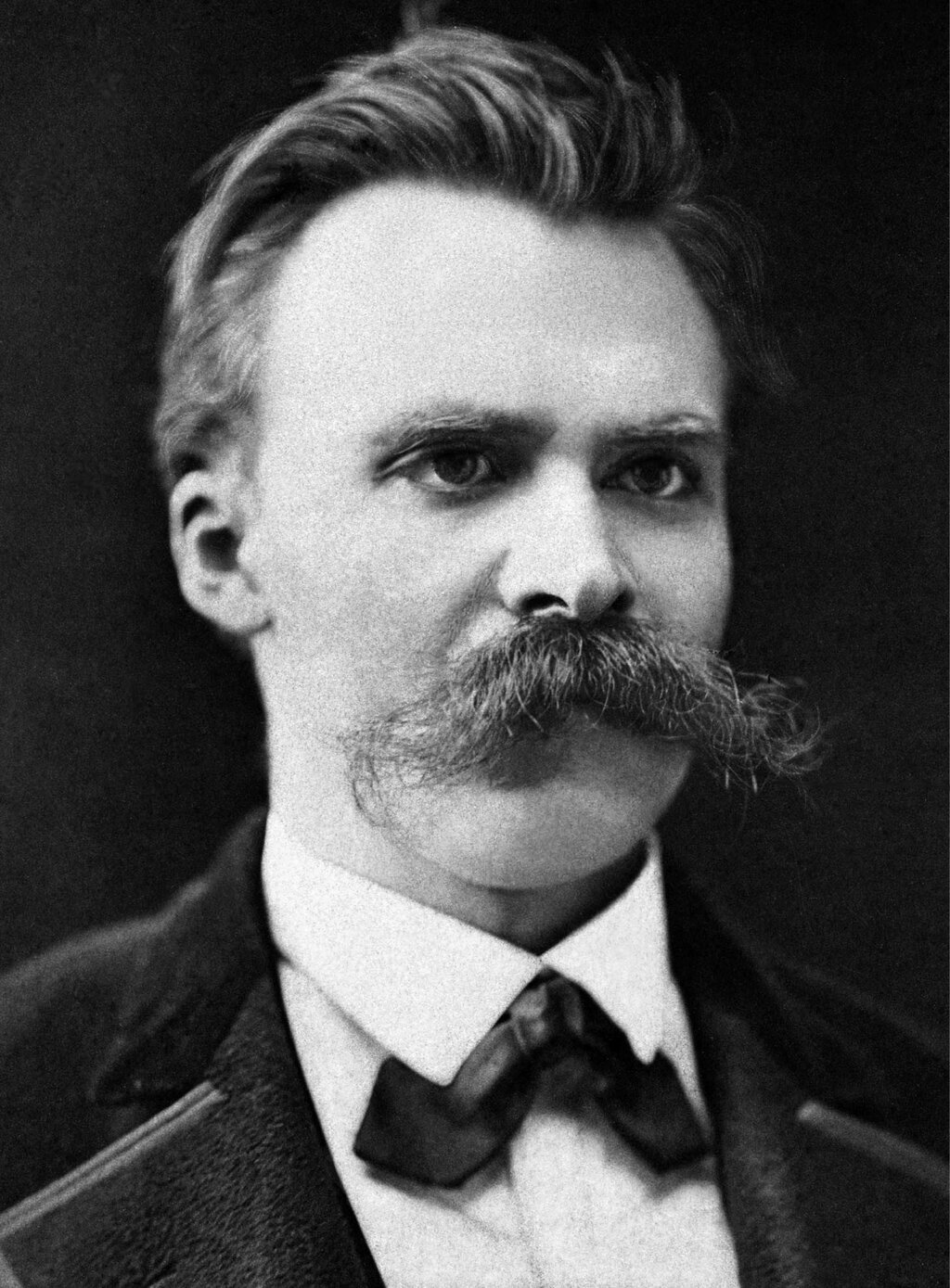
Nietzsche was a brilliant student. He became the youngest-ever professor of classical philology at the University of Basel in Switzerland at the age of 24. However, his academic career was short-lived. Plagued by severe health problems, including debilitating migraines and vision trouble, he resigned his position after just ten years.
This departure from academia marked a new beginning. For the next decade, Nietzsche lived a solitary, nomadic life, wandering through Switzerland, Italy, and France. In this isolation, he produced his most powerful and influential works. His journey ended abruptly in 1889 when he suffered a complete mental breakdown, from which he never recovered. He died in 1900, leaving behind a body of work that would challenge the very core of Western thought.
A Philosopher's Toolkit
Nietzsche’s books are not dry academic treatises. They are passionate, poetic, and often written in aphorisms—short, provocative statements designed to make you think. His writing style evolved throughout his career.
His first major book, The Birth of Tragedy (1872), explored the tension between two fundamental forces in art and life: the orderly, rational impulse (the Apollonian) and the chaotic, passionate impulse (the Dionysian).
Perhaps his most famous work is Thus Spoke Zarathustra (1883-1885), a philosophical novel that introduces some of his key ideas, including the concept of the Übermensch (often translated as 'Overman' or 'Superman') and the eternal recurrence. This book reads more like a prophecy than a typical philosophy text.
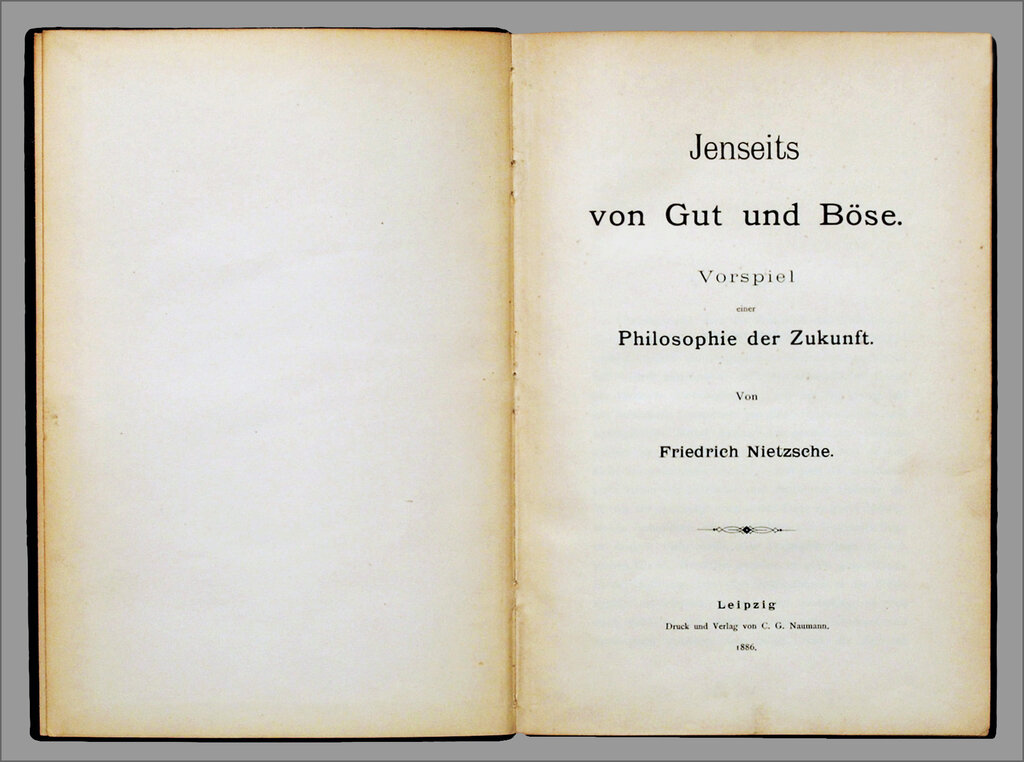
Later works, like Beyond Good and Evil (1886) and On the Genealogy of Morality (1887), saw Nietzsche sharpening his critique of traditional morality. He questioned where our ideas of 'good' and 'evil' came from, arguing they were not divine truths but human creations designed for specific purposes. He sought to re-evaluate all values and look at the world with fresh eyes.
Europe in Upheaval
To understand Nietzsche, you have to understand the world he lived in. The 19th century was a time of immense change and anxiety in Europe. The authority of the church, which had been the foundation of society for centuries, was weakening.
Scientific advancements, most notably Charles Darwin's theory of evolution published in On the Origin of Species (1859), challenged religious accounts of creation and humanity's place in the universe. At the same time, industrialization was transforming economies and societies, and new political movements like nationalism were reshaping the map of Europe. Germany, for instance, was unified into a single nation-state in 1871.
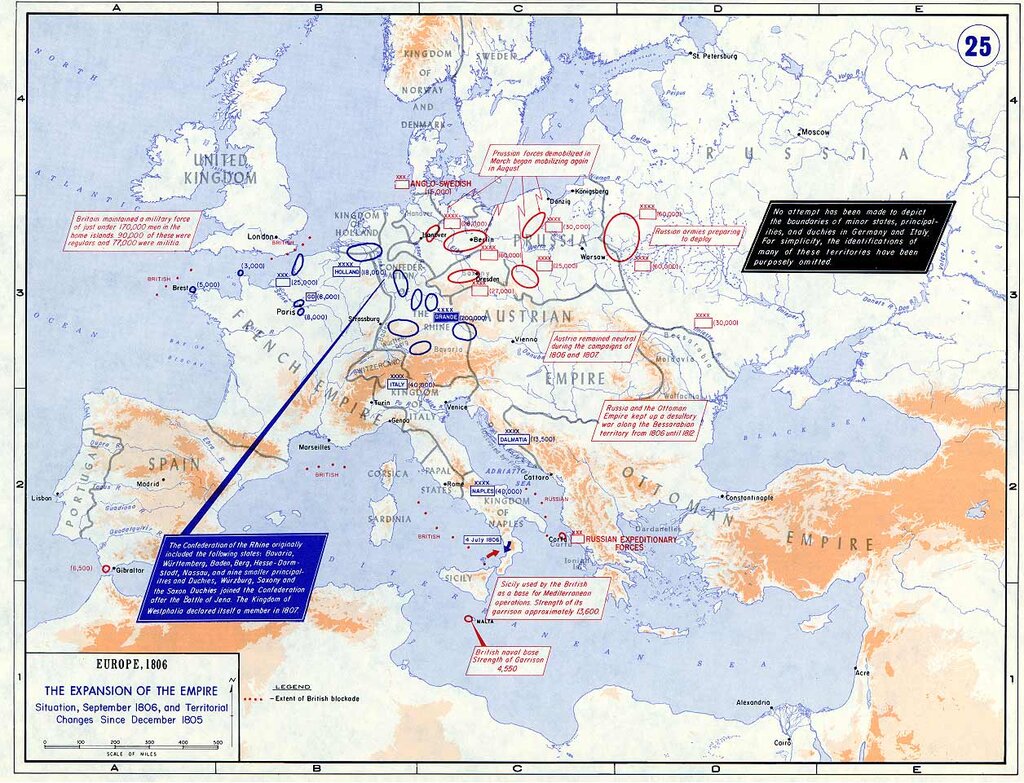
This rapid change created a cultural vacuum. The old certainties were crumbling, and many felt a growing sense of meaninglessness, a condition Nietzsche called nihilism. He wasn't celebrating this loss of meaning; he was diagnosing it. His philosophy was an attempt to confront this crisis head-on and find a way for humanity to create new values and new meaning in a world without its old foundations.
Nietzsche's famous declaration that 'God is dead' is not just a statement about the existence or non-existence of God but a metaphorical expression of the decline of Christianity's influence on Western culture.
His life experiences and the turbulent times he lived in were the raw materials for his radical philosophy. He saw a world losing its bearings and took it upon himself to chart a new course.
What significant event marked the end of Friedrich Nietzsche's career as a university professor?
Nietzsche's philosophy was a response to the growing sense of meaninglessness in 19th-century Europe, a condition he termed: