Nietzsche's Birth of Tragedy
Introduction to Nietzsche's 'The Birth of Tragedy'
A Young Philosopher's First Stand
In 1872, a young German philosopher named Friedrich Nietzsche published his first book. He was just 27 years old and a professor of classical philology—the study of ancient texts. The book was called The Birth of Tragedy from the Spirit of Music. It was bold, strange, and it immediately caused a stir.
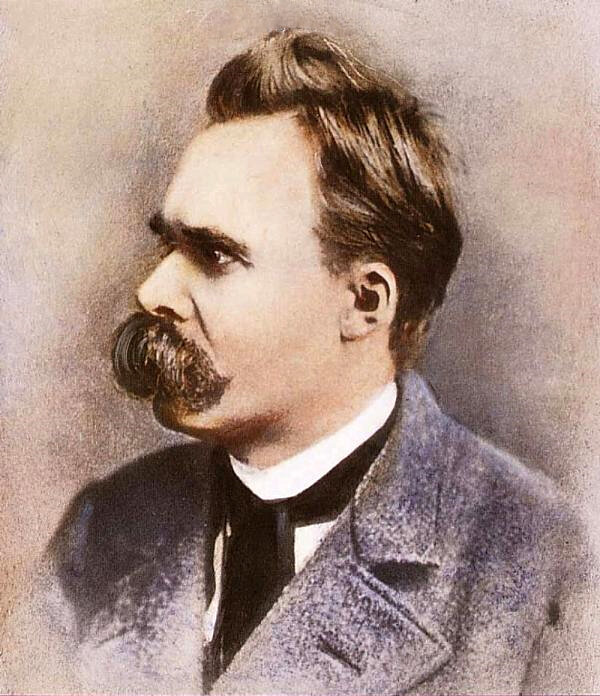
To understand the book, we need to picture the world it came from. Germany had just won the Franco-Prussian War and unified as a nation. There was a surge of national pride and a belief that German culture was at a high point. Nietzsche, however, was worried. He saw a culture that was too rational, too scientific, and had lost touch with the deeper, more chaotic parts of life.
He wasn't just writing a scholarly book about ancient Greece. He was using the Greeks as a mirror to critique his own time. His goal was to diagnose a cultural sickness and propose a cure: a revival of art, specifically the music-dramas of his friend, the composer Richard Wagner. Nietzsche saw in Wagner’s operas the potential for a new, powerful art form that could heal modern society.
Rethinking the Greeks
Before Nietzsche, the popular view of ancient Greece was that it was a place of calm, order, and beautiful serenity. Think of pristine white marble statues and logical philosophers. Nietzsche looked at their art, particularly their tragedies, and saw something completely different. He saw a culture wrestling with the immense suffering and chaos of existence.
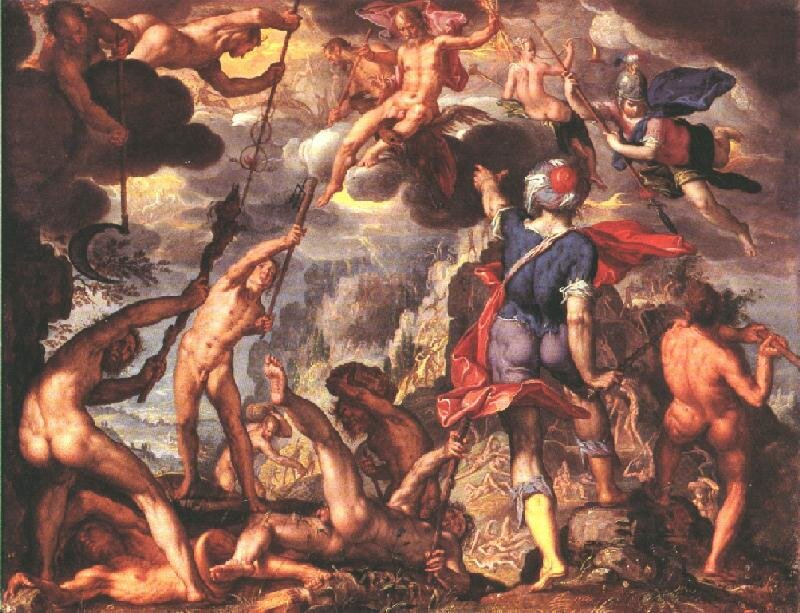
This was a radical idea. He argued that the greatness of the Greeks wasn't in ignoring the dark side of life, but in facing it head-on through their art. Tragedy, for Nietzsche, wasn't just sad storytelling. It was a powerful cultural tool that allowed people to experience and overcome the terror of being alive.
The Birth of Tragedy wasn't just a book of literary criticism; it was a philosophical manifesto. It blended poetry, music analysis, and cultural commentary in a way that infuriated traditional scholars. But it also laid the groundwork for many of Nietzsche's later, more famous ideas about art, life, and the human will. It challenged readers to ask what role art should play in our lives and how we can live meaningfully in a world that is often chaotic and irrational.
For Nietzsche, the path beyond this contradiction lies in a philosophical innocence that embraces becoming, affirms life in all its aspects, and transcends moral judgment through greater understanding.
The book’s core argument revolves around two opposing forces he saw at the heart of Greek culture and, by extension, all of human existence. He gave them the names of two Greek gods: Apollo and Dionysus. Understanding these two forces is the key to unlocking the entire work.