Nielsen's Usability Heuristics Explained
Introduction to Usability
What Makes a Design Usable?
Have you ever tried to push a door that was meant to be pulled? Or spent minutes searching for a button that should have been obvious? These small moments of frustration are often the result of poor usability. In the digital world, usability is the measure of how easily a person can use a product, like a website or an app, to achieve their goals.
Usability and the utility, not the visual design, determine the success or failure of a website.
A design isn't "good" just because it looks nice. It has to be functional and intuitive. A beautiful app that's confusing to navigate will be abandoned quickly. Usability focuses on the user's experience, ensuring that the path from A to B is as smooth and painless as possible.
The Core Components
Usability isn't a single, vague idea. It can be broken down into three key components. Think of them as the legs of a stool; if one is missing, the whole experience becomes unstable.
| Component | Key Question |
|---|---|
| Effectiveness | Can users achieve their goal? |
| Efficiency | How much effort does it take? |
| Satisfaction | Was the experience pleasant? |
Let's break these down with an example: ordering a pizza online.
Effectiveness is about accuracy and completion. Did you successfully order the pizza you wanted, with the right toppings and delivery address? If you ended up with anchovies you didn't ask for, or the order failed to go through, the design was not effective.
Efficiency is about speed and resources. How many clicks did it take? Did you have to re-enter your address even though you've ordered before? An efficient design lets you place your order in a few quick steps, remembering your preferences to save you time.
Satisfaction is subjective. It’s about how you feel during the process. Was the interface clean and appealing? Were the instructions clear? A frustrating, confusing, or clunky experience leads to low satisfaction, even if you eventually get your pizza.
The Payoff of Good Usability
Investing in usability isn't just about making users happy. It has real, tangible benefits for businesses and creators. When a product is easy to use, people are more likely to stick with it, recommend it, and complete desired actions, like making a purchase or signing up for a newsletter.
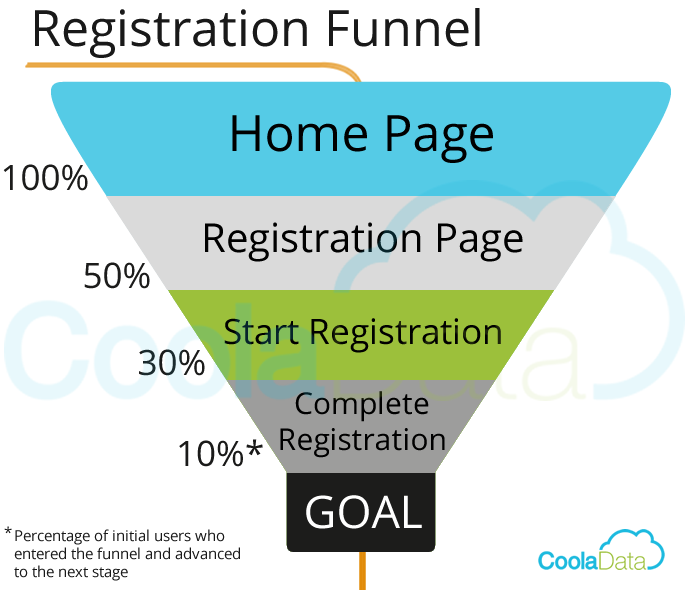
Good usability leads to higher conversion rates, increased customer loyalty, and lower costs for customer support because fewer people get stuck. It builds trust and confidence in your product. In a crowded market, a smooth user experience can be the key difference that sets you apart from the competition.
How Is Usability Measured?
You don't have to guess whether your design is usable. Designers use several methods to evaluate and improve their work. These are often called usability evaluation methods.
The most common approach is usability testing, where you observe real people as they try to use your product. Watching someone struggle to find a feature provides direct, undeniable feedback.
Other methods include:
- Heuristic Evaluation: A small group of experts review the interface against a set of established usability principles (or "heuristics").
- Surveys and Questionnaires: Users are asked to rate their satisfaction and provide feedback after using the product.
- Analytics Review: Examining data on user behavior, such as where they click, how long they stay on a page, and where they drop off, can reveal usability problems.
Each method offers a different lens through which to view the user experience, helping designers pinpoint issues and create more effective, efficient, and satisfying products.
Now, let's test your understanding of these core concepts.
What is the primary focus of usability in product design?
Which three components form the core of usability?