NHS Scotland Compliance Mastery for Beginners
Introduction to NHS Scotland
A National Health Service for Scotland
Before 1948, access to healthcare in Scotland was a patchwork. Your ability to get medical help often depended on your ability to pay. The creation of the National Health Service changed everything. On July 5, 1948, NHS Scotland was established, separate from the systems in England, Wales, and Northern Ireland, but founded on the same core principle: to provide healthcare that is free at the point of delivery, funded through general taxation. This meant that anyone, regardless of their wealth, could see a doctor or receive hospital treatment.
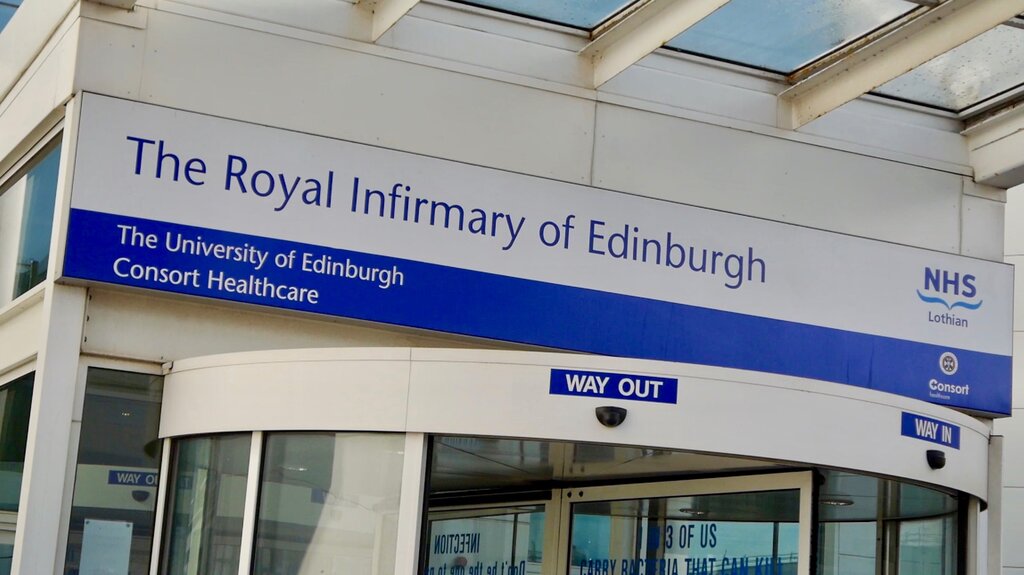
This new system was a massive undertaking, bringing existing hospitals, doctors, nurses, pharmacists, opticians, and dentists into one unified organization. While it has evolved significantly over the decades, its fundamental promise of universal access remains the same.
How It's Organized
NHS Scotland is not one single entity but a complex system of different bodies working together. At the top, the Scottish Government sets the national health and social care policy and budget. The day-to-day running is delegated to various Health Boards.
There are two main types of Health Boards.
Territorial Health Boards are responsible for the protection and improvement of their population's health and for the delivery of frontline healthcare services. There are 14 of them, each covering a different geographical area of Scotland, from NHS Shetland in the north to NHS Borders in the south.
Special Health Boards provide specific services to the whole country. They support the Territorial Boards and ensure specialist services, like the Scottish Ambulance Service or NHS 24, are available to everyone in Scotland, no matter where they live.
| Board Type | Primary Function | Examples |
|---|---|---|
| Territorial | Manages healthcare services for a specific geographic area. | NHS Fife, NHS Grampian, NHS Highland |
| Special | Provides national, specialist services across all of Scotland. | NHS 24, Scottish Ambulance Service, NHS Education for Scotland |
Key Services and Roles
NHS Scotland offers a comprehensive range of services, typically grouped into a few main categories. Primary care is your first point of contact with the health service. This includes your local General Practitioner (GP), dentists, pharmacists, and opticians.
If you need more specialized care, your GP might refer you for secondary care, which usually takes place in a hospital. This includes planned operations, specialist clinics, and accident and emergency services. Beyond this, tertiary care involves highly specialized treatments and procedures for rare or complex conditions, often concentrated in a few national centers.
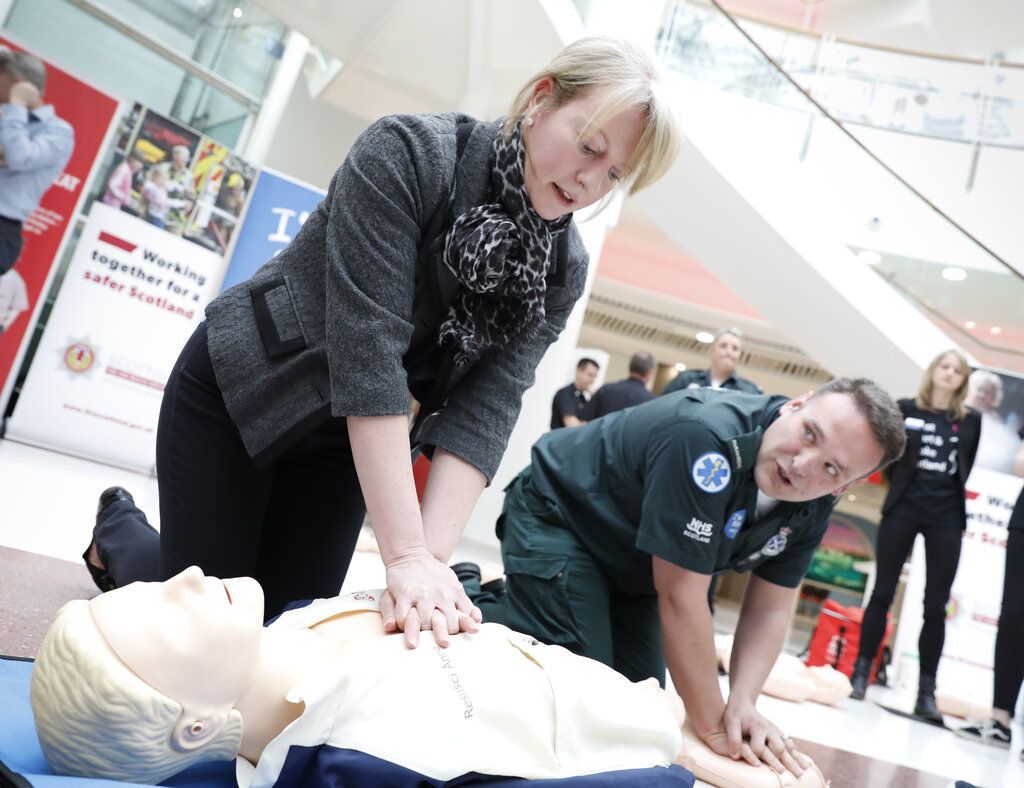
Delivering these services requires a huge and diverse workforce. Clinicians like doctors, nurses, and surgeons are on the front lines, providing direct patient care. They are supported by a vast network of other professionals, including paramedics, healthcare scientists, therapists, and administrative staff. Each role is crucial for making the system function effectively for the people of Scotland.
Now, let's test your understanding of how NHS Scotland is structured and what it does.
What was the core principle upon which NHS Scotland was founded in 1948?
True or False: Before the creation of the NHS in 1948, access to medical care in Scotland was a patchwork system often dependent on a person's wealth.
Understanding this basic structure is the first step in seeing how all the pieces of Scotland's healthcare system fit together.