NHS Hospital Software Development
NHS Software Development Overview
The NHS Digital Landscape
Developing software for the National Health Service (NHS) isn't like building a typical app. The NHS isn't a single organization, but a complex network of trusts, clinics, and services, each with its own needs and existing technology. This creates a digital landscape that's incredibly varied, mixing brand-new systems with critical software that has been running for decades.
Think of it like a city built over centuries. You have modern skyscrapers next to historical landmarks. Both are essential to the city's function, but they were built with different materials, standards, and purposes in mind. Any new construction must respect and connect to the existing infrastructure. Similarly, new NHS software must function within this intricate and layered environment.

More Than Just Code
Creating successful software for the NHS requires a deep understanding of the people who will use it. The stakeholders are a diverse group, and a developer's work directly impacts their daily lives.
| Stakeholder | Their Needs |
|---|---|
| Clinicians (Doctors, Nurses) | Fast, reliable access to patient records. Intuitive interfaces that don't distract from patient care. |
| Administrators | Systems for scheduling, billing, and managing hospital resources efficiently. |
| IT Staff | Secure, stable, and maintainable software that works with existing infrastructure. |
| Patients | Secure access to their own health information and easy ways to interact with services. |
Ignoring any of these perspectives can lead to failure. A system that is technically brilliant but confusing for a nurse to use during a busy shift is not a successful system. Collaboration with all stakeholders from the beginning is essential.
In healthcare, the user isn't just a consumer; they are often a highly-trained professional working under immense pressure. The software must be a tool that helps, not a puzzle that hinders.
Guarding Patient Data
The foundation of all NHS software is trust. Patients share their most sensitive personal information with the expectation that it will be kept confidential and secure. A data breach in healthcare doesn't just mean a leaked email address; it can expose medical histories, diagnoses, and personal identifiers. The ethical and legal responsibility to protect this data is immense.
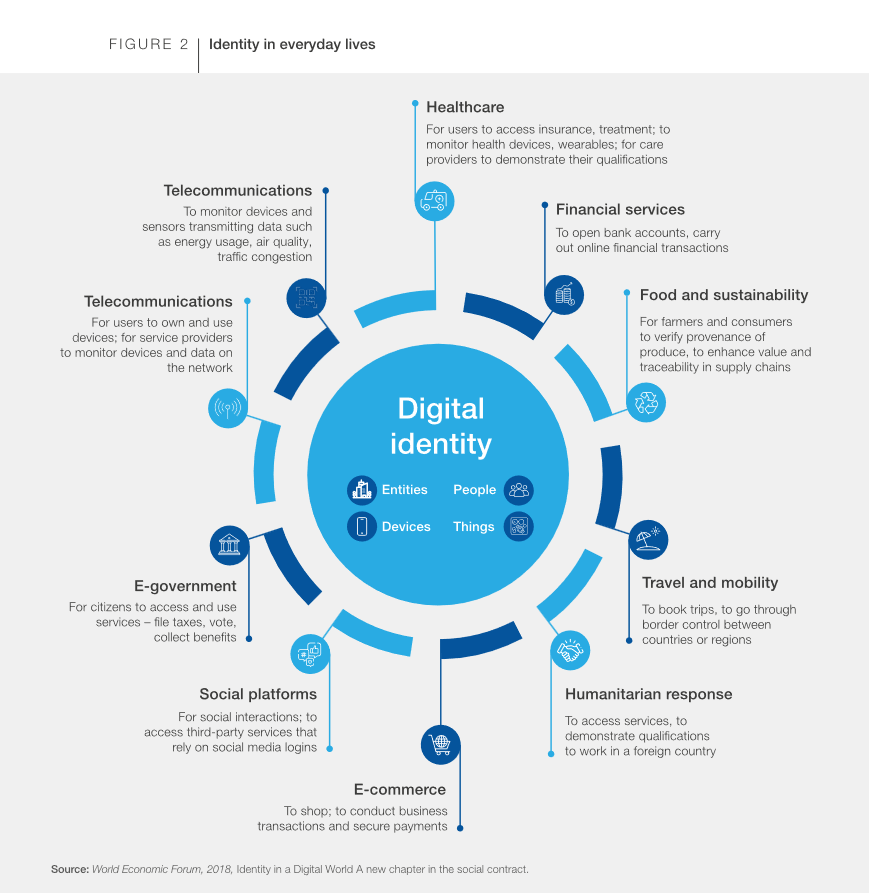
Because of this, the NHS has strict governance. Regulatory bodies like NHS England and the Care Quality Commission (CQC) set the standards for how patient data is managed. Any software developed for an NHS setting must be built with these security and privacy requirements at its core, not as an afterthought.
The Integration Challenge
One of the biggest technical hurdles in NHS software development is integration. New applications rarely work in isolation. They need to 'talk' to other systems to be useful. For example, a new app for booking appointments needs to connect to the hospital's main Patient Administration System (PAS) to see a doctor's availability and update a patient's record.
Many of these core systems are 'legacy systems'—older but essential platforms that are the backbone of a hospital's operations. Getting a modern application to communicate seamlessly with a system built 20 years ago presents a significant challenge. This goal of getting different systems to share information and work together is called interoperability.
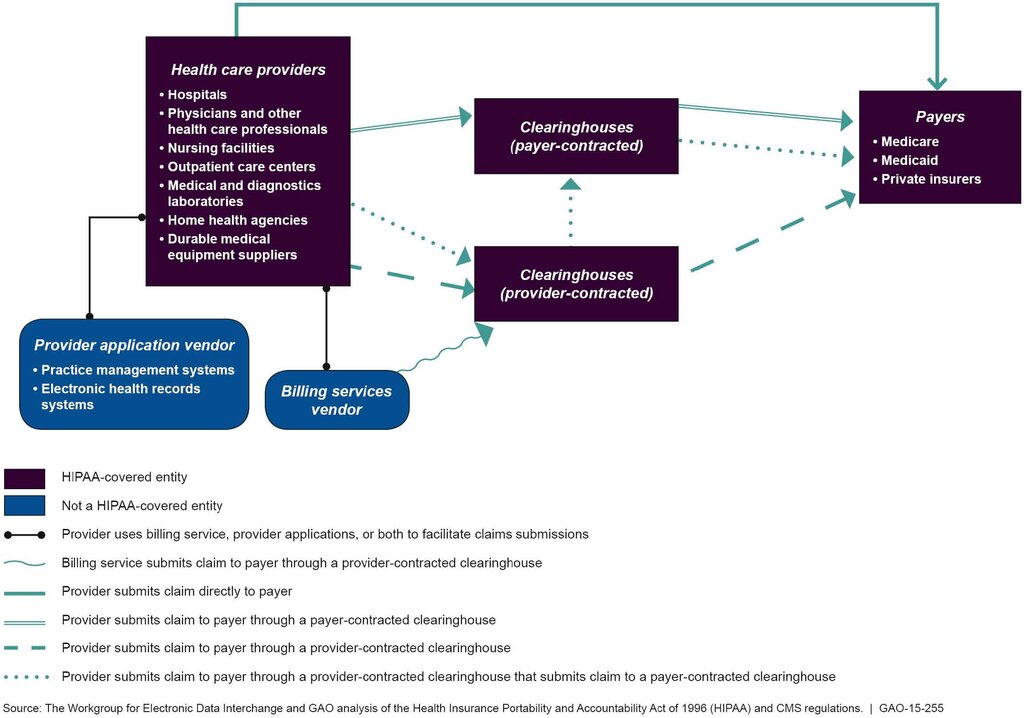
Successfully navigating this requires careful planning, a deep understanding of the existing infrastructure, and a focus on building flexible, future-proof solutions.
Let's check your understanding of these foundational concepts.
Why is developing software for the NHS often described as complex compared to building a typical corporate app?
What is the primary goal of 'interoperability' in the context of NHS software?
Working in the NHS digital space means balancing the needs of many people, respecting the immense responsibility of handling patient data, and solving the complex puzzle of system integration.