NHL Hockey Rules Explained
Introduction to NHL Rules
The Official Rulebook
The National Hockey League's Official Rules is the foundational document for every game. It's not just a list of dos and don'ts; it's a detailed guide that ensures consistency and fairness from the pre-game warmup to the final handshake. The rulebook is divided into sections, each covering a specific aspect of the game.
These sections cover everything from rink dimensions and equipment specifications to game flow, penalties, and official signals.
Think of it as the constitution of the league. It's comprehensive and sometimes complex, but every player, coach, and official must know it thoroughly. For fans, having a basic grasp of the rules makes watching the game much more engaging. It helps you understand the strategy behind the plays and the reasons for a referee's call.
Officials on the Ice
In a fast-paced NHL game, on-ice officials are the arbiters of the rules. They are responsible for enforcing regulations and keeping the game safe and fair. A standard officiating crew consists of four members: two referees and two linespersons.
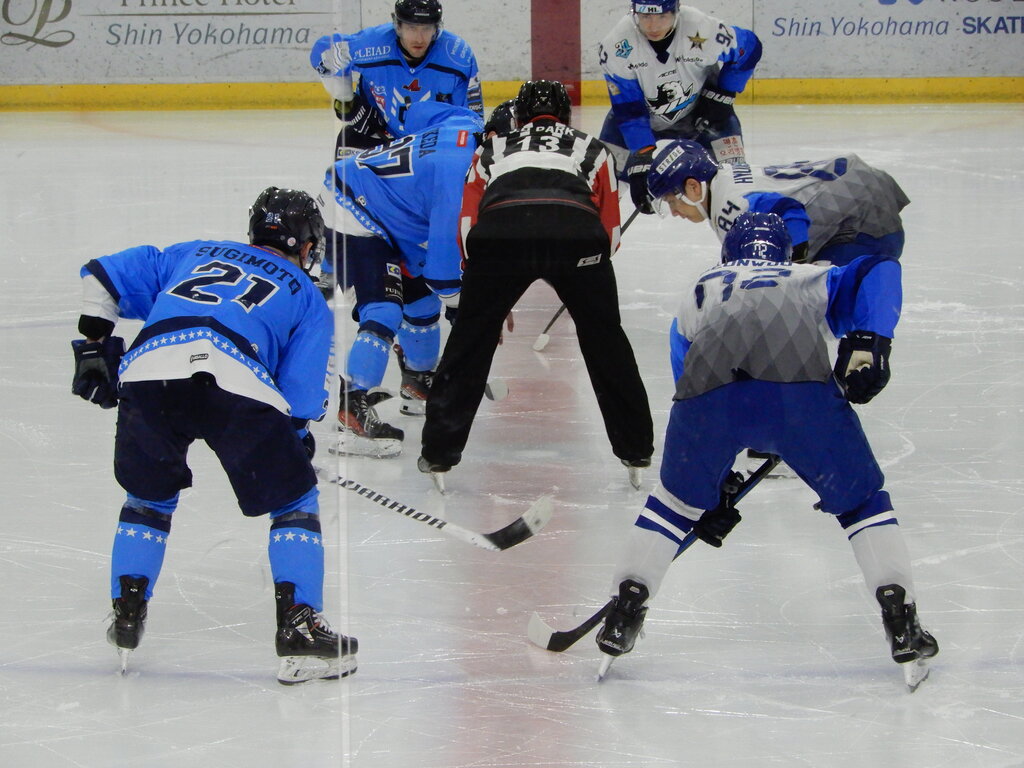
Each official has distinct responsibilities, though they all work together as a team. Referees are the senior officials, identifiable by the orange or red armbands on their upper sleeves.
| Official | Key Responsibilities |
|---|---|
| Referee | Calling penalties, ensuring proper scoring of goals, and having the final say on all rule interpretations. |
| Linesperson | Calling offside and icing infractions, conducting most face-offs, and breaking up fights. |
Linespersons focus on managing the flow of the game by watching the blue lines and center line. While they can recommend penalties to the referees, they are primarily responsible for territorial rule violations.
Why Rules Matter
The rules in hockey serve two primary purposes: ensuring fair competition and protecting player safety. Without a standard set of regulations, the game would be chaotic and dangerous. Rules create a structure that allows skill, strategy, and teamwork to determine the winner.
Make sure you understand the basic rules.
Fair play is the bedrock of any sport. The NHL rulebook establishes what is and isn't allowed, from how a player can handle the puck to what constitutes a legal body check. This ensures that both teams are competing on a level playing field.
Equally important is player safety. Hockey is an intense, physical sport. Rules regarding high-sticking, checking from behind, and fighting are in place to minimize the risk of serious injury. The officials enforce these rules to maintain a level of safety, allowing players to compete hard but within established boundaries.
Now, let's test your understanding of these foundational concepts.
What are the two primary purposes of the NHL's official rules?
Which on-ice official is identifiable by orange or red armbands and holds senior authority?
Understanding the rulebook and the officials who enforce it is the first step to truly appreciating the game of hockey.