NFT Utility Beyond the Hype
Introduction to NFTs
What Are NFTs?
You've likely heard of NFTs, or Non-Fungible Tokens. At its core, an NFT is a unique digital certificate of ownership. It’s a one-of-a-kind token that lives on a blockchain, which is a secure and transparent digital ledger.
The key word here is "non-fungible." It means something is unique and can't be replaced with something else. For example, the Mona Lisa is non-fungible. There is only one original painting. You could take a photo of it, but you wouldn’t have the original. A dollar bill, on the other hand, is fungible. You can trade one dollar for another, and you’ll still have a dollar. The value is the same.
Fungible
adjective
Able to be replaced by another identical item; mutually interchangeable.
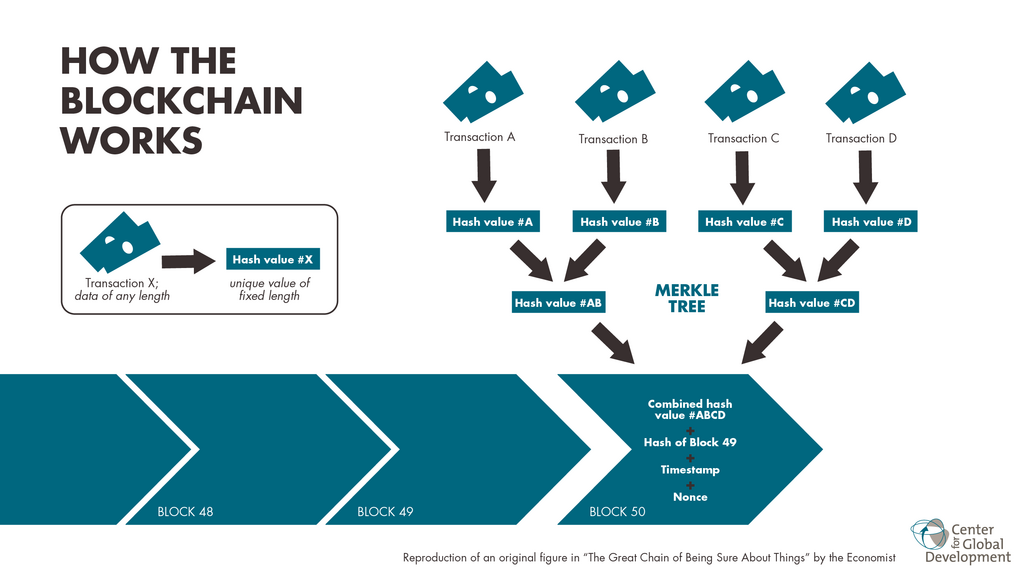
Because an NFT is unique, it can be used to represent ownership of a specific item, whether digital or physical. This ownership is recorded on a blockchain, a distributed database that is shared among the nodes of a computer network. This makes the record of ownership secure, transparent, and almost impossible to tamper with. Think of it as a public, digital receipt that anyone can see but no one can change.
NFTs vs. Cryptocurrencies
While both NFTs and cryptocurrencies like Bitcoin use blockchain technology, they serve very different purposes. The main difference lies in that word: fungible. Cryptocurrencies are fungible. One Bitcoin is always equal in value to another Bitcoin, just like one dollar is equal to another dollar. You can trade them freely.
NFTs, being non-fungible, are the opposite. Each one is unique and has a different value. An NFT representing a famous digital artwork is not the same as an NFT representing a ticket to a virtual concert. They can't be interchanged on a one-to-one basis.
| Feature | Cryptocurrency (e.g., Bitcoin) | NFT (Non-Fungible Token) |
|---|---|---|
| Nature | Fungible | Non-Fungible |
| Value | Interchangeable; uniform value | Unique; variable value |
| Purpose | A medium of exchange; store of value | Proof of ownership for a specific asset |
| Example | $100 bill | A signed concert poster |
What Can Be an NFT?
The concept of NFTs opens up a world of possibilities for digital ownership. While they gained fame through digital art, they can represent almost anything.
Non-fungible tokens, known as NFTs, are electronic identifiers confirming a digital collectible is real by recording the details on a digital ledger or database known as a blockchain.
This means an NFT could be:
- Digital Art: A painting, animation, or graphic design.
- Collectibles: Virtual trading cards or digital pets.
- Virtual Assets: Items in a video game, like a unique sword or a piece of virtual land.
- Event Tickets: A concert ticket that proves you have the right to enter.
- Real-World Assets: The deed to a house or ownership of a car can be represented by an NFT, creating a secure digital record.
By linking ownership to a unique token on the blockchain, NFTs provide a clear and verifiable way to own and trade digital and physical items.
Let's check your understanding of these core concepts.
What does "non-fungible" mean in the context of an NFT?
What is the primary difference between an NFT and a cryptocurrency like Bitcoin?
Understanding that NFTs are about unique ownership is the first step. They're a new tool for verifying authenticity in a digital world.