NFT Utility Beyond JPEGs
Introduction to NFTs
What Is an NFT?
An NFT, or non-fungible token, is a unique digital identifier that records ownership of an asset. Think of it as a digital deed or a certificate of authenticity for an item, whether that item is a piece of digital art, a song, or even a physical object. The token itself is stored on a blockchain, which is a secure and transparent digital ledger.
The key to understanding NFTs lies in the term “non-fungible.” To grasp this, let's first look at its opposite.
fungible
adjective
Able to be replaced by another identical item; mutually interchangeable.
Money is a classic example of a fungible asset. If you and a friend each have a $1 bill, you can swap them, and neither of you has lost or gained anything. They are identical in value and interchangeable. Most cryptocurrencies, like Bitcoin or Ethereum, are also fungible.
Non-fungible items, on the other hand, are one-of-a-kind. A famous painting, a specific concert ticket for seat A7, or a house are all non-fungible. You can't swap your ticket for seat A7 with one for seat Z26 and pretend they're the same. They have different, unique values.
| Category | Fungible | Non-Fungible |
|---|---|---|
| Real-World Asset | A dollar bill, a bar of gold | The Mona Lisa, a specific house |
| Digital Asset | Bitcoin, Ethereum | An NFT representing digital art |
The Technology Behind the Token
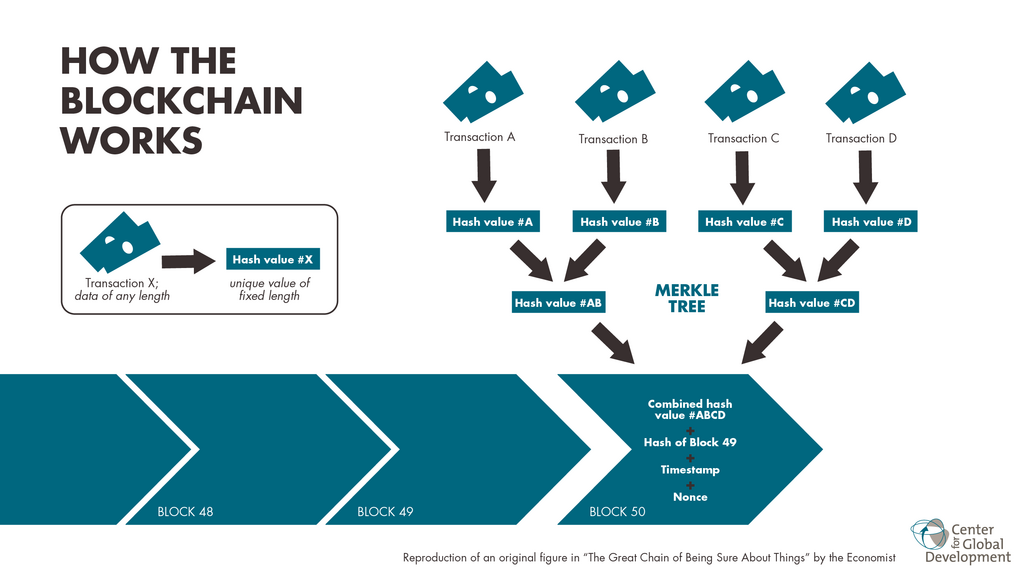
NFTs get their power from blockchain technology. A blockchain is a shared, unchangeable digital ledger that records transactions in a way that is difficult or impossible to alter. When someone creates, buys, or sells an NFT, that event is recorded as a transaction on the blockchain.
This technology gives NFTs several key characteristics:
Uniqueness: Each NFT contains distinct information that makes it different from any other NFT. This unique identity is locked into its code.
Verifiable Ownership: The blockchain provides a public, transparent record of ownership. Anyone can look up an NFT's history to see who created it and who has owned it over time.
Indivisibility: Most NFTs cannot be divided into smaller parts. You can't buy half of a digital artwork NFT, just as you couldn't buy only the left side of a physical painting.
These properties are what allow an NFT to act as a secure proof of ownership for a unique asset.
A Brief History
While NFTs exploded in popularity in 2021, their origins go back further. The idea of using blockchains for digital assets has been around almost as long as Bitcoin itself.
One of the earliest projects was Colored Coins in 2012. These were small denominations of bitcoin that could be “colored” with unique information to represent other assets, like shares in a company or a deed to a property. However, this system was limited by the Bitcoin network's scripting capabilities.
The launch of the Ethereum blockchain in 2015 was a major turning point. Ethereum's more flexible platform allowed developers to create their own complex tokens and applications. This led to projects like CryptoPunks in 2017, a set of 10,000 unique, algorithmically generated pixel art characters. Each Punk was an NFT, and owning one meant you were the sole owner of that specific character. They were given away for free to anyone with an Ethereum wallet, but soon a secondary market emerged.
Later that year, a game called CryptoKitties launched. It allowed players to buy, collect, and breed unique digital cats. The game became so popular that it famously congested the Ethereum network, demonstrating both the massive potential and the scaling challenges of NFT applications.
Art and Collectibles Go Digital
The first major use case for NFTs was in the world of digital art and collectibles. Before NFTs, it was difficult to prove ownership of a digital file. An image or song could be copied infinitely, with no way to distinguish the “original” from a copy.
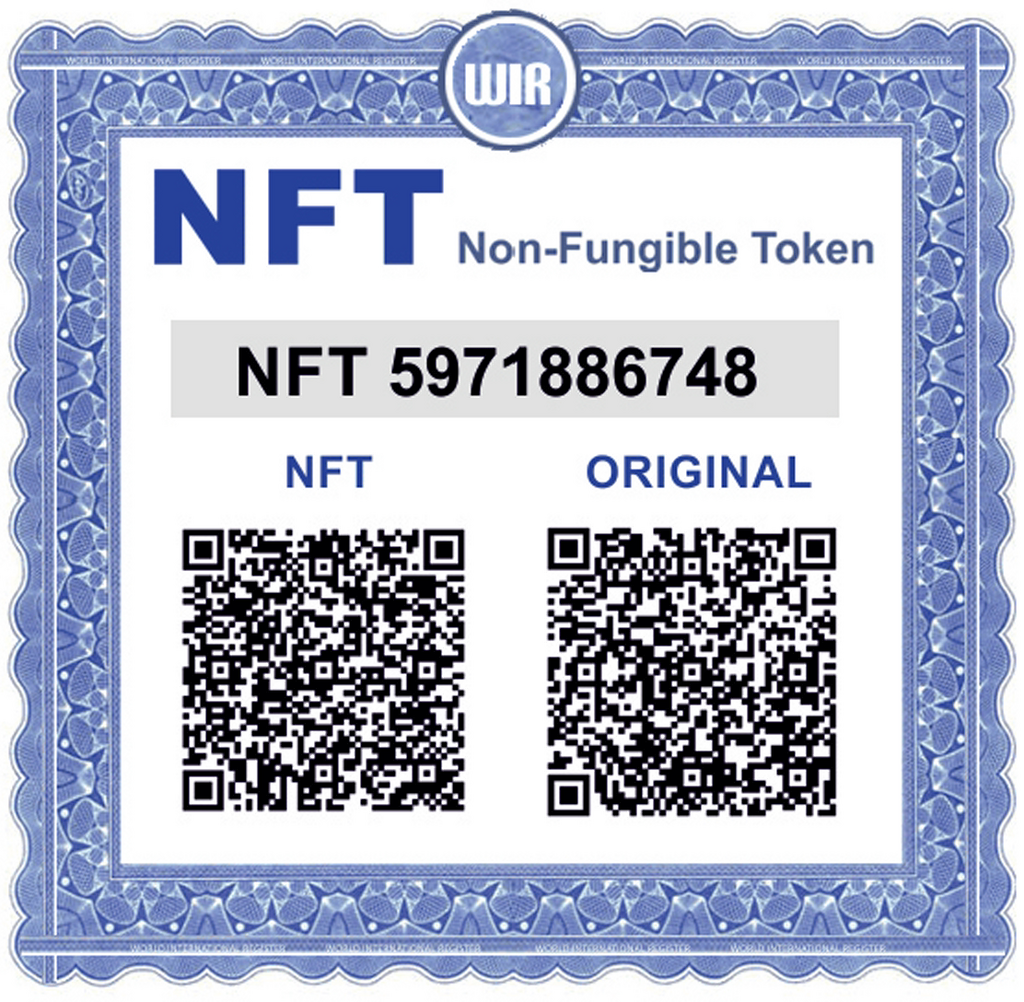
NFTs changed this. A digital artist can now create a piece of art, “mint” it as an NFT on the blockchain, and sell it. The buyer receives the NFT, which acts as a public, verifiable proof that they own the original work. The artist can even program a royalty into the NFT's code, so they receive a percentage of the sale price every time the work is resold in the future.
Non-Fungible Tokens (NFTs) promise to revolutionize how content creators (e.g., artists) price and sell their work.
This created a new market for digital creators and collectors, mirroring the real-world art market. It gave digital items the same properties of scarcity and provenance (a record of ownership) that give physical collectibles their value.
What is the primary function of a Non-Fungible Token (NFT)?
Which of the following is the best example of a NON-FUNGIBLE item?
This introduction just scratches the surface of what NFTs are and where they came from. They started as a way to own digital art and collectibles, but their potential applications are constantly expanding.