NFT Utility Beyond JPEGs
Introduction to NFTs
What Is a Non-Fungible Token?
At its core, an NFT is a unique digital certificate of ownership. Think of it as a one-of-a-kind digital item that can be anything from art and music to a ticket for an event. The key is that it's stored on a blockchain, which is a secure and transparent digital ledger. This means the ownership and history of the item are publicly verifiable and cannot be changed.
Non-Fungible Tokens (NFTs) are unique cryptographic tokens that exist on a blockchain and cannot be replicated.
The term "non-fungible" is important. To understand it, let's first look at its opposite.
Fungible
adjective
Able to be replaced by another identical item; mutually interchangeable.
Money is a perfect example of something fungible. If you and a friend both have a $10 bill, you can swap them and you'll both still have $10. They are identical in value and interchangeable. A non-fungible item, on the other hand, is unique. Think of the Mona Lisa. There is only one original painting. You can't swap it for another Mona Lisa because no other identical version exists. NFTs bring this concept of unique, verifiable ownership to the digital world, where things are usually easy to copy.
NFTs vs. Cryptocurrencies
People often confuse NFTs with cryptocurrencies like Bitcoin or Ethereum, since both use blockchain technology. The main difference lies in that word: fungible. Cryptocurrencies are fungible. One Bitcoin is always equal in value to another Bitcoin, just like one dollar is equal to another dollar.
NFTs are non-fungible. Each one is unique and has a different value. You can't trade one NFT for another and expect them to be the same. This distinction is what gives NFTs their power to represent ownership of specific assets.
| Feature | Cryptocurrency (e.g., Bitcoin) | Non-Fungible Token (NFT) |
|---|---|---|
| Interchangeability | Fungible (Identical) | Non-Fungible (Unique) |
| Value | All units have the same value | Each token has a unique value |
| Purpose | A medium of exchange | A certificate of ownership |
| Example | A dollar bill | A concert ticket for a specific seat |
The History and Evolution of NFTs
The idea behind NFTs isn't brand new. Early experiments on the Bitcoin blockchain, known as "colored coins," explored how to represent real-world assets digitally. However, NFTs really took off on the Ethereum blockchain, which made it much easier to create unique digital tokens.
A major breakthrough came in 2017 with the launch of CryptoKitties, a game where users could collect, breed, and trade unique digital cats. Each cat was an NFT, and some sold for thousands of dollars. This game became so popular that it famously slowed down the entire Ethereum network, proving that NFTs had captured the public's imagination.
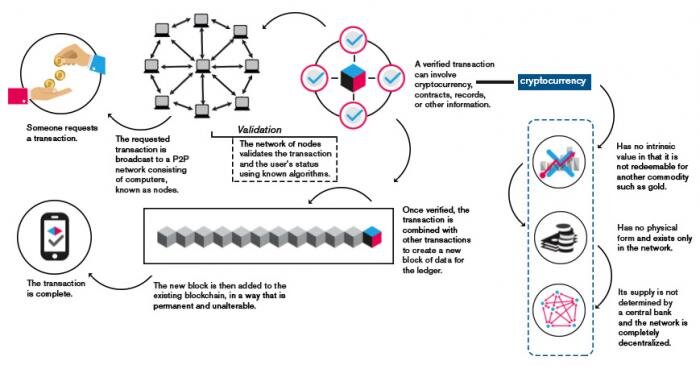
The success of projects like CryptoKitties led to the creation of a specific technical standard for NFTs called ERC-721. Think of it as a set of rules or a blueprint that defines how to create a unique, non-fungible token on the Ethereum blockchain. This standard made it simple for anyone to create their own NFT and ensured that these tokens could be easily traded and viewed across different platforms, like digital art marketplaces and crypto wallets.
The ERC-721 standard was a game-changer. It created a common framework for unique digital assets, paving the way for the explosion in digital art, collectibles, and more.
Let's check what you've learned so far.
What does the term 'non-fungible' mean in the context of an NFT?
Which of the following is the best example of a fungible item?
Now that you understand what NFTs are and where they came from, you're ready to explore how they are created and used in the real world.