NFT Utility Beyond Collectibles
Introduction to NFTs
Fungible vs. Non-Fungible
Imagine you have a $10 bill. If you lend it to a friend, you don't care if they give you back the exact same $10 bill. Any $10 bill will do. They are interchangeable, or fungible. The same is true for cryptocurrencies like Bitcoin. One Bitcoin is exactly the same as any other Bitcoin.
Now, imagine you own the original Mona Lisa. There is only one in the world. If you lent it to a museum, you would definitely want that specific painting back, not a copy or a different painting. The Mona Lisa is unique and cannot be replaced with another. It's non-fungible.
Fungible
adjective
Able to be replaced by another identical item; mutually interchangeable.
A Non-Fungible Token (NFT) is a digital certificate of ownership for a unique asset, stored on a blockchain. Think of it as a digital deed. While anyone can look at a digital picture, the NFT proves who owns the original. This proof is recorded on a secure, public ledger, making it transparent and difficult to tamper with.
Non-fungible tokens (NFTs) turn anything into something that can be digitally collected and traded, from a meme to the source code of the World Wide Web.
This leads to three core characteristics of NFTs:
- Unique: Each NFT has a distinct identifier, like a digital serial number, that makes it one-of-a-kind.
- Indivisible: You can't send someone half of an NFT, just like you can't tear a concert ticket in half and expect it to work.
- Verifiable: Ownership is tracked on a blockchain, providing a public and permanent record of who owns what.
How NFTs Differ from Crypto
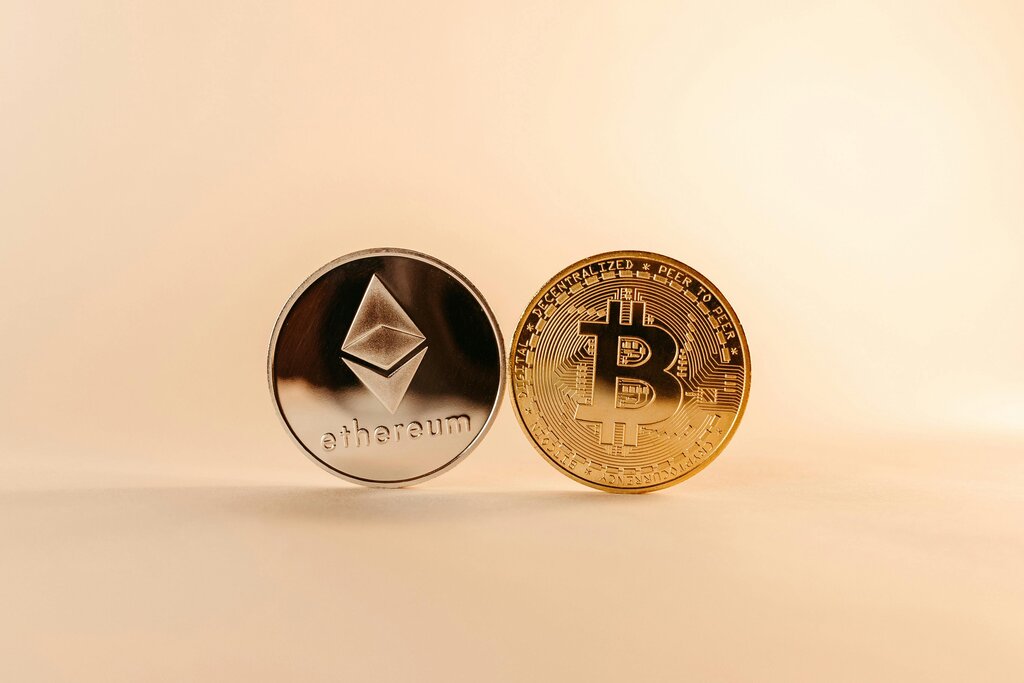
The main difference between NFTs and cryptocurrencies lies in that concept of fungibility. While both are built using blockchain technology, they serve very different purposes. Cryptocurrencies are designed to be a medium of exchange, just like traditional money. NFTs are designed to represent ownership of unique items.
| Feature | Cryptocurrencies | NFTs |
|---|---|---|
| Fungibility | Fungible (interchangeable) | Non-Fungible (unique) |
| Divisibility | Can be divided into smaller units | Generally indivisible |
| Value | All units have the same value | Each unit has a unique value |
| Purpose | Medium of exchange, store of value | Proof of ownership for a specific asset |
The Technical Standards
For NFTs to work, they need a set of rules that govern how they are created, owned, and transferred on a blockchain. These rules are called standards. On the Ethereum blockchain, the two most common standards for NFTs are ERC-721 and ERC-1155.
An ERC standard is a technical document that defines a common interface for a particular type of token on the Ethereum blockchain. It ensures that different applications and wallets can all interact with the tokens in a predictable way.
ERC-721: The Original Standard for Uniqueness
This was the first standard for non-fungible tokens. It's a blueprint for creating tokens that are truly one-of-a-kind. Each ERC-721 token has a unique ID and cannot be duplicated. This makes it perfect for representing ownership of single, unique assets like a piece of digital art or a specific plot of virtual land.
ERC-1155: A More Flexible Standard
Later, the ERC-1155 standard was developed to be more efficient. It allows a single smart contract to manage multiple types of tokens at once. This can include both fungible tokens (like in-game currency) and non-fungible tokens (like a unique sword or skin).
Think of it this way: an ERC-721 contract is like a factory that produces only unique, custom-made cars, each with its own vehicle identification number. An ERC-1155 contract is like a factory that can produce a limited run of 100 identical special-edition cars, but also the everyday currency used to buy them.
These standards are what allow NFTs to be bought, sold, and traded across different platforms, creating a consistent and understandable digital economy for unique items.
What is the primary characteristic that distinguishes a Non-Fungible Token (NFT) from a cryptocurrency like Bitcoin?
Which of the following real-world items is the best analogy for something that is 'non-fungible'?
Understanding these core concepts—what makes something non-fungible, how it differs from cryptocurrency, and the standards that make it work—is the first step into the world of digital ownership.