NFT Utility Beyond Collectibles
Introduction to NFTs
What Makes an NFT Unique?
A Non-Fungible Token, or NFT, is a type of digital asset that represents ownership of a unique item. Think of it like a digital certificate of authenticity. The key word here is "non-fungible."
Fungible
adjective
Able to be replaced by another identical item; mutually interchangeable.
If something is fungible, it's interchangeable. A $10 bill is fungible because you can swap it for any other $10 bill, and you still have $10. It doesn't matter which specific bill you have.
Non-fungible items are one-of-a-kind. A famous painting like the Mona Lisa is non-fungible. You can't swap it for another painting and have the same thing. An NFT is like a digital version of the Mona Lisa, it's a unique token that can't be replaced with another.
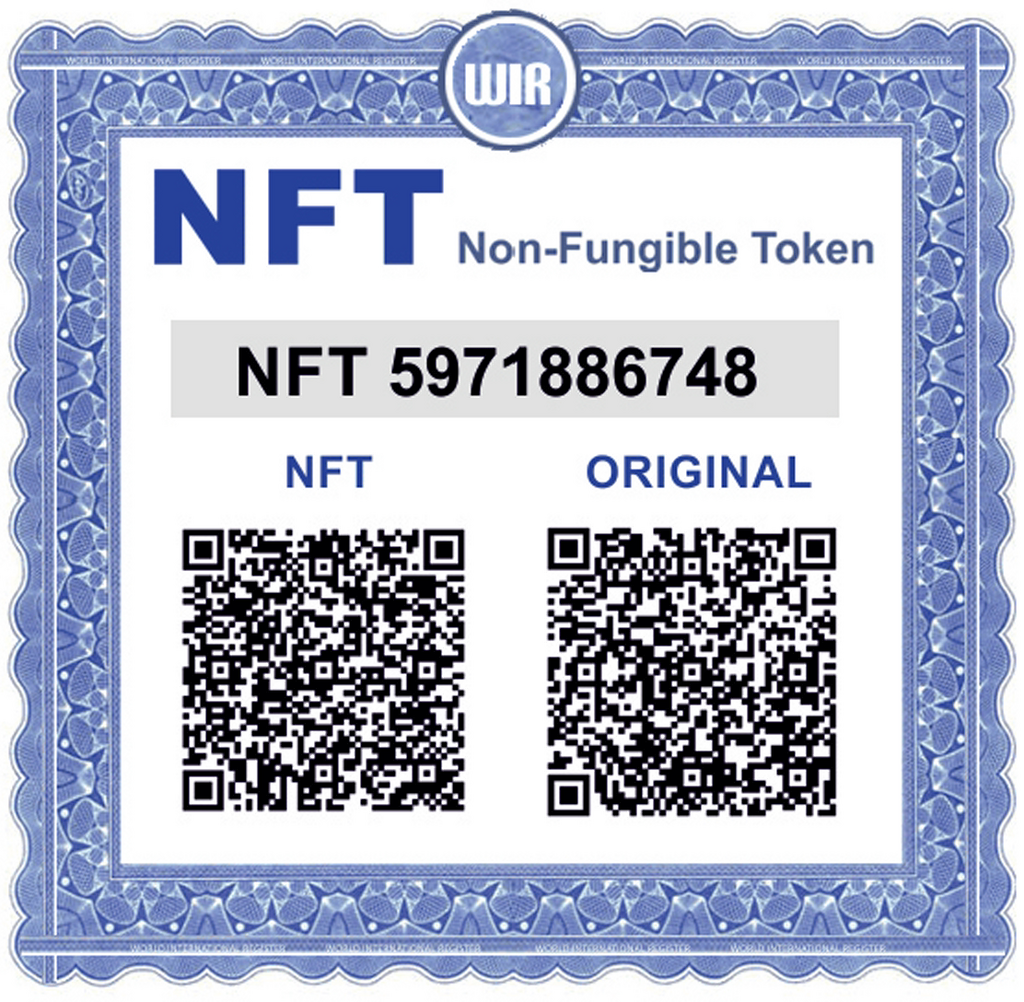
This uniqueness is what allows NFTs to represent ownership of specific digital items, from art and music to virtual real estate.
NFTs vs. Cryptocurrencies
So how are NFTs different from cryptocurrencies like Bitcoin or Ethereum? It all comes down to that concept of fungibility.
Cryptocurrencies are fungible. One Bitcoin is worth the same as any other Bitcoin, just like dollar bills. They are used as a medium of exchange.
NFTs, being non-fungible, are different. Each NFT is unique and has a distinct value. Think of it like this: a cryptocurrency is a dollar bill, while an NFT is a ticket to a concert. Your ticket has a specific seat number, date, and artist. It's not interchangeable with a ticket for a different seat or a different show. It has a unique identity.
| Feature | Cryptocurrency (e.g., Bitcoin) | NFT (e.g., Digital Art) |
|---|---|---|
| Type | Fungible | Non-Fungible |
| Value | Uniform | Unique |
| Interchangeable? | Yes | No |
| Analogy | A dollar bill | A specific concert ticket |
The Technology Behind the Token
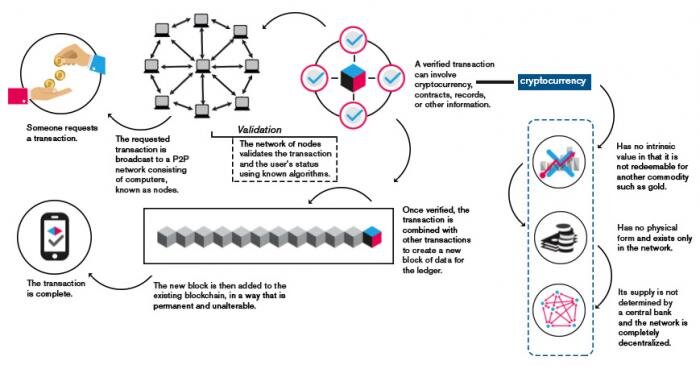
NFTs are built on a technology called a blockchain, which is the same technology that powers cryptocurrencies. A blockchain is a decentralized, digital ledger that records transactions in a way that is secure and permanent.
- Decentralization: Instead of being stored in one central place, the ledger is copied and spread across a network of computers. This makes it very difficult for any single person to tamper with.
- Immutability: Once a transaction is recorded on the blockchain, it cannot be changed or deleted. This creates a permanent, verifiable record of ownership.
NFTs also rely on something called smart contracts. A smart contract is a piece of code that lives on the blockchain. It automatically executes certain actions when specific conditions are met. For an NFT, the smart contract manages the token's creation, defines its unique properties, and handles ownership transfers. It's the digital rulebook for the asset.
The Non-Fungible Token (NFT) is viewed as one of the important applications of blockchain technology.
From Collectibles to a Digital Economy
The idea of NFTs first gained major attention with digital collectibles. Projects like CryptoKitties, where users could buy, sell, and breed unique digital cats, showed how blockchain could be used to create verifiable digital scarcity.
Since then, the market has exploded. What started with quirky digital art and collectibles has evolved into a much broader landscape. While we won't dive deep into advanced uses here, it's clear that the ability to prove ownership of digital items has opened up many new possibilities.
Now that you understand the basics of what an NFT is and the technology that makes it work, let's test your knowledge.
What does the term "non-fungible" mean in the context of an NFT?
Which of the following is an example of a FUNGIBLE asset?
Understanding these core concepts is the first step to navigating the world of digital ownership.