NFT Utility Beyond Art
Introduction to NFTs
Fungible vs. Non-Fungible
To understand a Non-Fungible Token, let's first break down the word "fungible." Something is fungible if it can be easily replaced by another identical item. Think of a $10 bill. If you lend one to a friend, you don't need the exact same bill back. Any $10 bill will do. They are interchangeable. Money, commodities like oil, and cryptocurrencies like Bitcoin are all fungible.
Now, think about a one-of-a-kind painting or a concert ticket for a specific seat. These items are non-fungible. You can't swap your ticket for seat A7 with one for seat Z26 and expect to see the same show from the same spot. Each is unique and has distinct properties. This uniqueness is the key idea behind NFTs.
Non-Fungible Token
noun
A unique digital identifier recorded on a blockchain, used to certify ownership and authenticity of an asset.
An NFT is a digital certificate of ownership for a unique item, whether that item is digital or physical. It acts as a public, verifiable proof that you own the original version of something. While anyone might be able to download a copy of a digital image, only one person can own the NFT linked to the original.
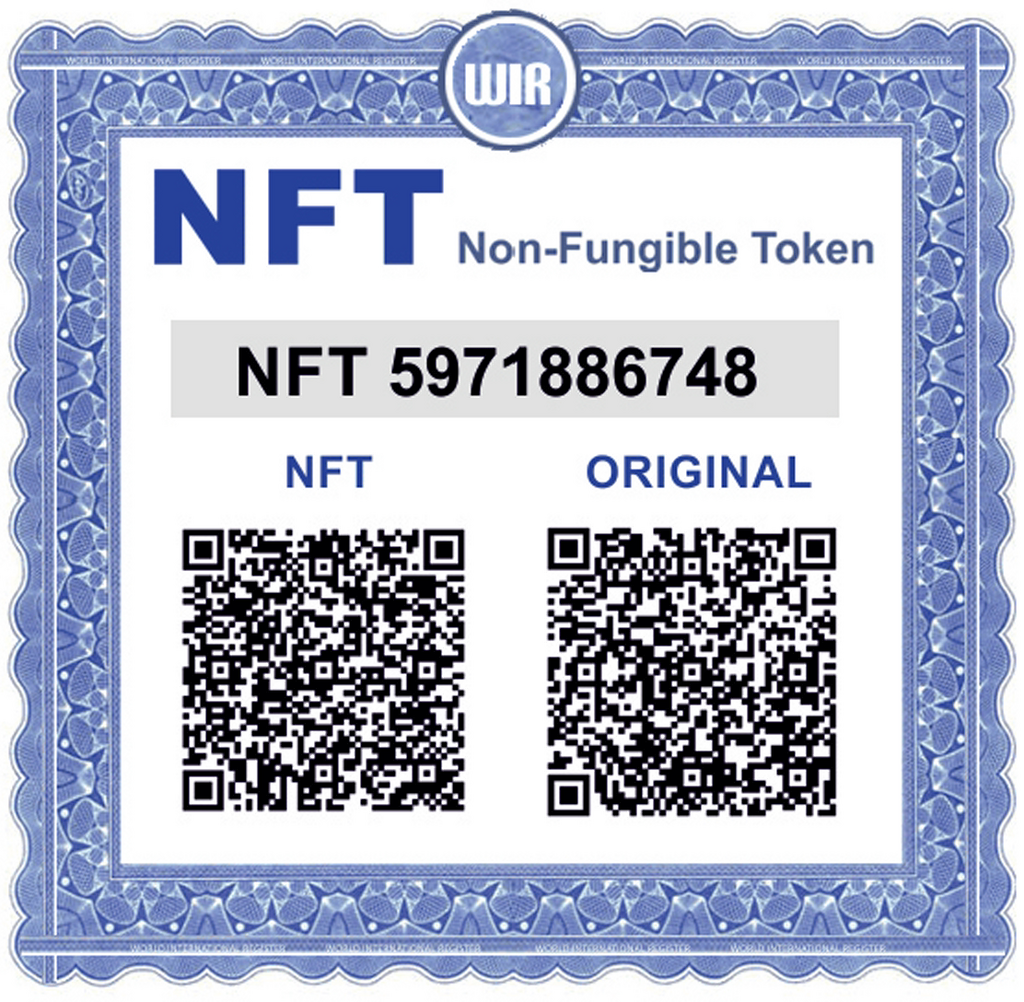
In short, an NFT is a record of who owns a unique piece of data.
How NFTs Differ from Crypto
While NFTs and cryptocurrencies both use similar technology, they serve very different purposes. Cryptocurrencies are designed to be a medium of exchange, just like traditional currency. They are fungible.
NFTs, on the other hand, represent ownership of a specific, unique asset. One Bitcoin is always equal to another Bitcoin, but one NFT is not equal to another. They are created to be distinct.
| Feature | Cryptocurrency (e.g., Bitcoin) | NFT (e.g., Digital Art) |
|---|---|---|
| Fungibility | Fungible | Non-Fungible |
| Represents | Value, a unit of currency | Ownership of a unique asset |
| Interchangeability | Yes, 1 BTC = 1 BTC | No, each token is unique |
| Purpose | Medium of exchange | Proof of authenticity and ownership |
The Role of Blockchain
So where is this ownership record stored? NFTs exist on a blockchain, which is a decentralized, distributed digital ledger. Think of it as a shared notebook that's copied across thousands of computers worldwide. Once a transaction is added to the notebook, it's incredibly difficult to change or tamper with.
This technology is what gives an NFT its power. The blockchain provides a secure and transparent way to track who owns what, without needing a central authority like a bank or government to verify it. Each transaction, from the creation of the NFT to every time it's sold, is recorded publicly on the ledger. This creates a clear, unbreakable chain of ownership.
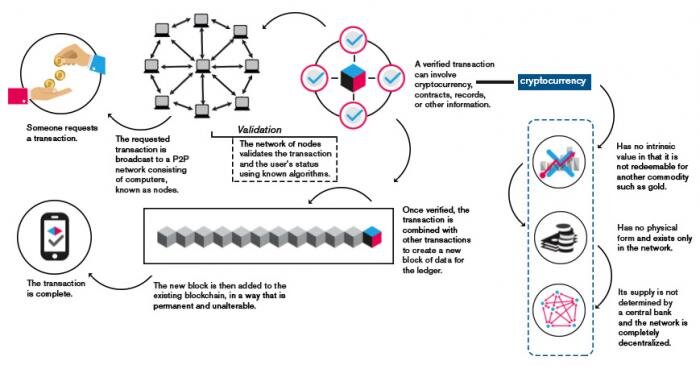
This foundational technology ensures that the ownership record is permanent and verifiable by anyone. Now that you have the basics down, let's test your knowledge.
Which of the following is the best example of something that is fungible?
What is the primary function of an NFT?
Understanding these core concepts—what an NFT is, its non-fungible nature, and its reliance on blockchain—is the first step to seeing how they can be applied in various fields.