NFT Utility Beyond Art
Introduction to NFTs
Beyond the Hype
You've likely heard of Non-Fungible Tokens, or NFTs. They're often associated with digital art, but the technology behind them is much more fundamental. At its core, an NFT is a unique digital certificate of ownership, securely stored on a blockchain.
The key is in the name: "non-fungible." Fungible items are interchangeable. A dollar bill is fungible because you can swap it for any other dollar bill; they both hold the same value. A non-fungible item, however, is one-of-a-kind. Think of the Mona Lisa. You can take a photo of it, but there is only one original painting. NFTs bring this concept of unique, verifiable ownership to the digital world.
fungible
adjective
Able to be replaced by another identical item; mutually interchangeable.
Tokens Aren't Created Equal
This distinction between fungible and non-fungible is what separates NFTs from cryptocurrencies like Bitcoin or Ethereum. While both are digital assets built on blockchain technology, they serve different purposes. Cryptocurrencies are fungible. One Bitcoin is always equal in value to another Bitcoin, making it useful as a medium of exchange, just like traditional money.
NFTs are the opposite. Each one is unique and cannot be replaced on a one-to-one basis. This uniqueness is encoded and verified on the blockchain, creating a digital asset that can represent ownership of anything from art and music to virtual land or even a concert ticket.
Non-Fungible Tokens (NFTs) are unique cryptographic tokens that exist on a blockchain and cannot be replicated.
Here’s a simple breakdown of the key differences:
| Feature | Cryptocurrencies | NFTs |
|---|---|---|
| Fungibility | Fungible (Interchangeable) | Non-Fungible (Unique) |
| Value | Uniform; one unit equals another | Unique; each token has a different value |
| Purpose | Medium of exchange, store of value | Proof of ownership, digital identity |
| Example | Bitcoin, Ethereum | Digital art, collectibles, event tickets |
How It Works
So, how does a digital file become a unique, ownable asset? The process relies on two core technologies: blockchain and smart contracts.
As you know, a blockchain is a distributed, unchangeable digital ledger. When an NFT is created, or "minted," its information is recorded as a transaction on the blockchain. This entry includes details like a unique token ID, the creator's digital address, and a link to the digital asset itself. Because the blockchain is maintained by a network of computers, this record of ownership is transparent and nearly impossible to alter or forge.
The engine that drives this process is the smart contract. A smart contract is a self-executing program with the terms of the agreement directly written into its code. For an NFT, the smart contract defines its unique properties and governs its transferability. It automatically handles the verification of ownership and the transfer of the token from one person to another without needing an intermediary.
Think of a smart contract as the NFT's digital DNA. It contains all the essential information that makes the token unique, including its creator, its history, and the rules for how it can be bought or sold.
Redefining Digital Ownership
Before NFTs, owning a digital item was a fuzzy concept. You could download a JPEG or a song, but so could millions of other people. How could you prove you owned the "original" when perfect copies were free and easy to make? There was no scarcity, and therefore, little verifiable value.
NFTs solve this problem by creating a provable, one-of-a-kind digital record. While anyone can still view or download a copy of the associated digital file, only one person can own the official NFT recorded on the blockchain. This creates verifiable digital scarcity for the first time.
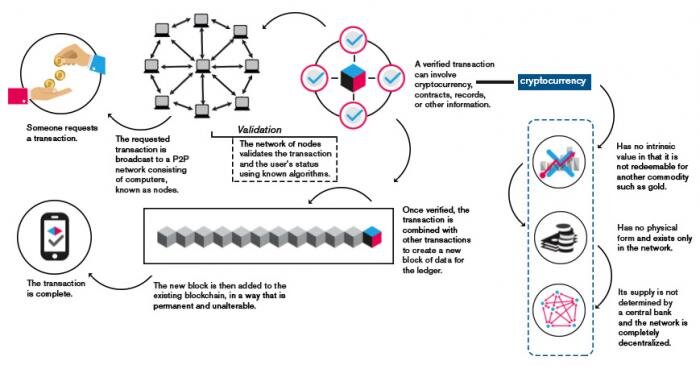
This system provides a clear and public chain of custody, from the original creator to the current owner. It shifts the idea of ownership from simply possessing a file to holding an unforgeable title to that file.
Ready to test your knowledge?
What is the primary characteristic that makes an item 'non-fungible'?
How does an NFT primarily differ from a cryptocurrency like Bitcoin?
By separating the concept of possession from ownership, NFTs have opened up a new way to value and trade digital goods.