NFT Utility Beyond Art
Introduction to NFTs
What Is an NFT?
An NFT, or Non-Fungible Token, is a unique digital certificate that represents ownership of a specific item or piece of content. Think of it like a digital deed. While anyone can look at a famous painting online, only one person can own the original. NFTs apply that same idea of unique ownership to the digital world.
The key is in the name. "Non-fungible" means it's one-of-a-kind and can't be replaced with something else. A one-dollar bill is fungible because you can trade it for any other one-dollar bill. A famous painting, however, is non-fungible; you can't swap it for another and have the exact same thing.
The "token" part refers to a digital certificate stored on a blockchain, the same technology that powers cryptocurrencies like Bitcoin. This certificate is a secure, public record of who owns what. It acts as a verifiable proof of authenticity and ownership that can't be altered or faked.
Non-fungible tokens, known as NFTs, are electronic identifiers confirming a digital collectible is real by recording the details on a digital ledger or database known as a blockchain.
NFTs vs. Cryptocurrencies
It's easy to confuse NFTs with cryptocurrencies since they both use blockchain technology. The main difference lies in that word: fungible.
Cryptocurrencies like Bitcoin or Ethereum are fungible. One Bitcoin is always equal in value to another Bitcoin, just like one dollar is equal to any other dollar. This makes them useful as a means of exchange.
NFTs are the opposite. Each one is unique and has a distinct value. One NFT representing a digital artwork isn't the same as an NFT representing a ticket to an event. You can't simply swap them as if they were identical.
| Feature | Cryptocurrency | NFT (Non-Fungible Token) |
|---|---|---|
| Interchangeability | Fungible (Identical and interchangeable) | Non-Fungible (Unique and not interchangeable) |
| Value | Uniform (1 BTC = 1 BTC) | Unique (Each token has a different value) |
| Primary Use | Medium of exchange, store of value | Represent ownership of a unique asset |
| Example | A dollar bill | A signed baseball card |
The Power of Digital Ownership
In a world where digital files can be copied endlessly, proving you own the original has always been a challenge. NFTs solve this. By creating a unique token for a digital item—a process called tokenization—ownership can be tracked on the blockchain.
This creates a clear and unbreakable chain of custody. Anyone can see who created the asset, who has owned it over time, and who the current owner is. It’s this verifiable scarcity that gives digital items provable value for the first time.
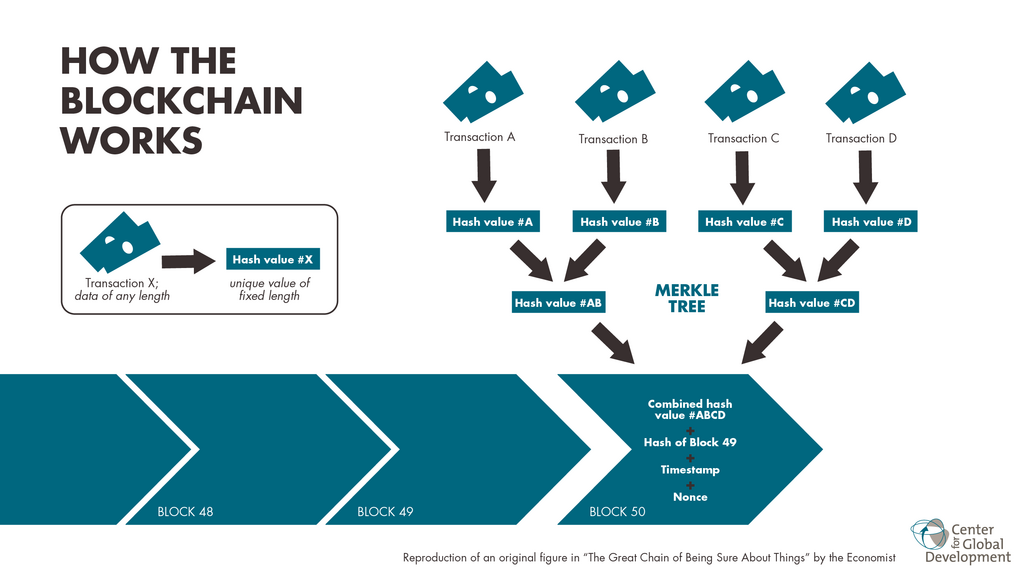
This public ledger means that even if you can right-click and save a copy of an image associated with an NFT, you don't own the original. The blockchain holds the proof of who does.
This simple but powerful concept of digital ownership is what makes NFTs so revolutionary, opening up new possibilities for creators, collectors, and industries of all kinds.
What is the primary function of a Non-Fungible Token (NFT)?
The key difference between an NFT and a cryptocurrency like Bitcoin is that NFTs are __________.