NFT Utility Beyond Art
Introduction to NFTs
What Are NFTs?
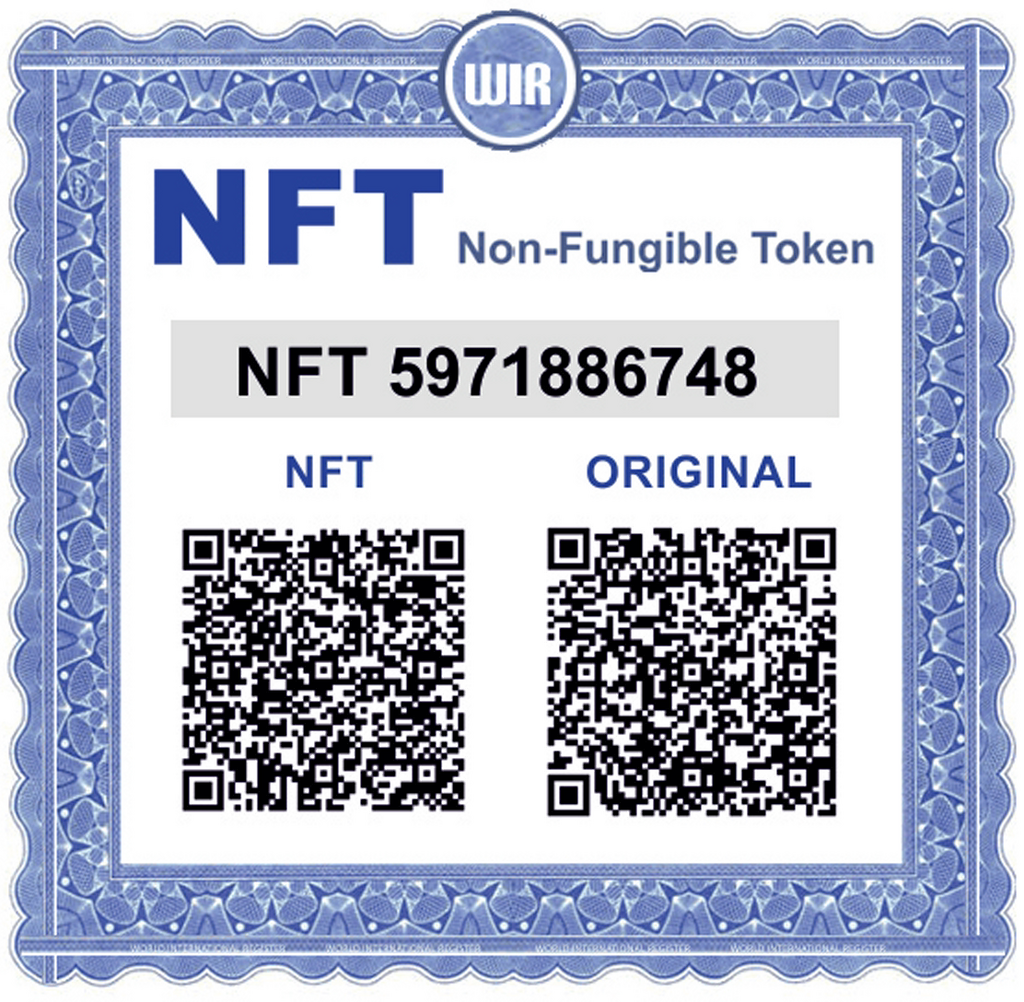
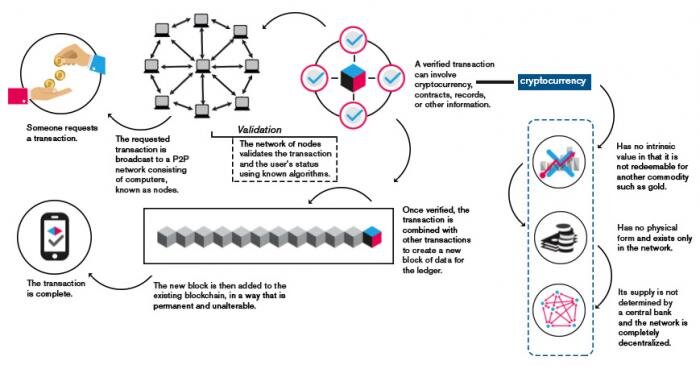
At its core, a Non-Fungible Token (NFT) is a unique digital certificate that proves ownership of an asset. This asset can be anything from a piece of digital art or music to a ticket for an event. The record of ownership is stored on a blockchain, which is a secure and transparent digital ledger. This makes it almost impossible to alter or counterfeit.
Non-Fungible Tokens (NFTs) are unique cryptographic tokens that exist on a blockchain and cannot be replicated.
The key term here is "non-fungible." In economics, a fungible item is something that can be replaced by another identical item. A dollar bill, for instance, is fungible because you can trade one for another and have the exact same value. Non-fungible means the item is one-of-a-kind and cannot be replaced with something else. Think of the Mona Lisa; there's only one original.
Fungible
adjective
Able to be replaced by another identical item; mutually interchangeable.
An NFT acts like a digital deed or a certificate of authenticity for that unique item. It doesn't usually store the digital item itself, but it points to where the item is located and, more importantly, proves who the rightful owner is.
NFTs vs. Cryptocurrencies
It's a common mistake to confuse NFTs with cryptocurrencies like Bitcoin or Ethereum. While both use blockchain technology, they serve very different purposes. Cryptocurrencies are fungible. One Bitcoin is always equal in value to another Bitcoin, just like one dollar is equal to another dollar. This makes them useful as a medium of exchange.
NFTs, on the other hand, are non-fungible. Each NFT has a unique digital signature, meaning no two are the same. This uniqueness is what gives them their value. You can't trade one NFT for another and expect them to be equivalent, just as you wouldn't trade a rare baseball card for a common one.
| Feature | NFT (Non-Fungible Token) | Cryptocurrency |
|---|---|---|
| Uniqueness | Each token is unique and one-of-a-kind. | Each unit is identical to the next. |
| Interchangeability | Cannot be exchanged on a 1:1 basis. | Can be exchanged on a 1:1 basis. |
| Represents | Ownership of a unique digital or physical asset. | A unit of value or currency. |
| Primary Use | Proving authenticity and ownership. | Acting as a medium of exchange or store of value. |
So, while you might use a cryptocurrency (like Ethereum) to buy an NFT, the two assets are fundamentally different.
A Brief History
The idea behind NFTs isn't entirely new. It began with the concept of "colored coins" on the Bitcoin blockchain around 2012. These were attempts to use the blockchain to represent real-world assets like property or shares.
However, NFTs really took off with the launch of the Ethereum blockchain. Ethereum's more flexible platform allowed for the creation of unique tokens with more complex features. An early project called CryptoPunks launched in 2017, offering 10,000 unique pixel-art characters, each with its own provable ownership on the Ethereum blockchain.
Later that year, a game called CryptoKitties brought NFTs into the mainstream. Users could buy, sell, and breed unique digital cats. Its popularity famously congested the Ethereum network, demonstrating for the first time that digital collectibles could have significant real-world demand and value.
Since then, the world of NFTs has expanded rapidly. It has grown from a niche for tech enthusiasts into a major industry encompassing digital art, collectibles, gaming items, and more. This evolution highlights a shift from simple digital collectibles to a technology with the potential to redefine ownership in the digital age.