NFT Utility Beyond Art
Introduction to NFTs
What Makes an NFT Unique?
You've probably heard the term NFT, which stands for Non-Fungible Token. Let's break that down. A token, in this context, is a digital certificate stored on a secure public database called a blockchain. The important part is "non-fungible."
non-fungible
adjective
Not interchangeable. An item that is unique and cannot be replaced with another identical item.
Think of it this way. If you and a friend both have a $10 bill, you can swap them without any change in value. They are identical and interchangeable. That’s what it means to be fungible. Most currencies, like the US dollar or cryptocurrencies like Bitcoin, are fungible.
Now, imagine you own the original Mona Lisa painting. There is only one in the world. You couldn't swap it for another painting and still have the Mona Lisa. It’s unique. That’s non-fungible. An NFT is a digital token that represents ownership of a unique item, whether it's digital art, a piece of music, a virtual piece of land, or even a ticket to an event.
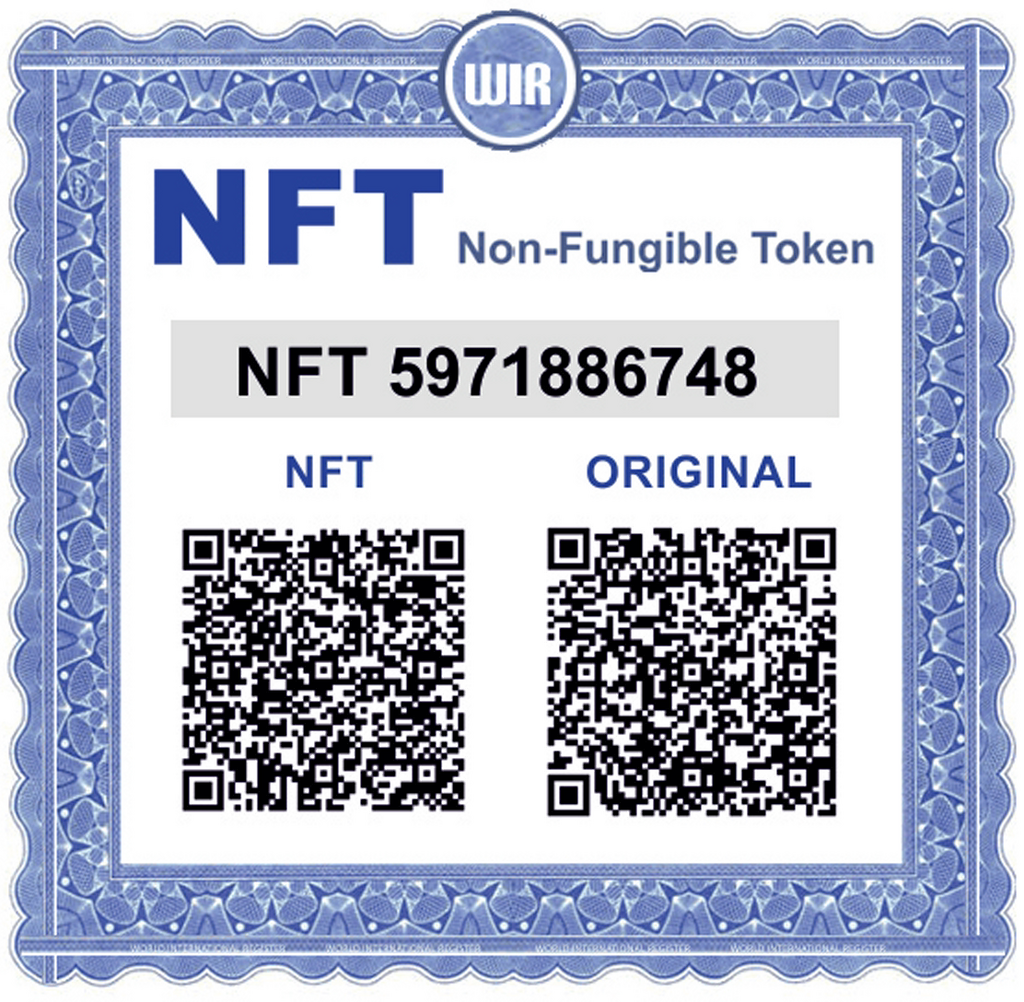
Each NFT has a unique identifier, like a digital serial number, that distinguishes it from every other token. This information is publicly recorded on a blockchain, creating a transparent and unchangeable history of ownership.
The Technology Backbone
NFTs wouldn't exist without blockchain technology. A blockchain is essentially a shared digital ledger that is distributed across a network of computers. This structure gives it some powerful features that make digital ownership possible.
Key Blockchain Principles:
- Decentralization: The ledger isn't controlled by a single company or government. It’s maintained by a network of users, making it more resistant to censorship or control.
- Immutability: Once a transaction is recorded on the blockchain, it's incredibly difficult to alter or delete. This creates a permanent, trustworthy record of ownership.
- Transparency: Anyone can view the transactions on the blockchain. This means you can easily verify who owns a specific NFT and trace its history back to its creation.
NFTs also rely on smart contracts. These are self-executing contracts with the terms of the agreement written directly into code. For an NFT, a smart contract manages the token's properties, verifies ownership, and handles transfers. For example, a smart contract could be programmed to automatically give the original artist a percentage of the sale price every time their NFT is resold.
A Brief History
While NFTs exploded in popularity in 2021, the idea has been around for much longer. The concept first emerged with "colored coins" on the Bitcoin blockchain around 2012. These were attempts to attach real-world assets to small fractions of a bitcoin, essentially marking them as unique.
In 2014, a platform called Counterparty allowed for the creation of unique digital assets. But the first major milestone for what we now know as NFTs was the launch of CryptoPunks in 2017. This project consisted of 10,000 unique, algorithmically generated pixel-art characters. They were given away for free to anyone with an Ethereum wallet and established many of the core concepts of modern NFT collections.
Later that same year, CryptoKitties brought NFTs into the mainstream. This blockchain game allowed users to collect, breed, and trade unique virtual cats. Its popularity became so immense that it famously congested the Ethereum network, demonstrating the potential and challenges of this new technology.
These early projects paved the way, proving that digital items could be truly unique and verifiably owned.
What does 'non-fungible' mean in the context of an NFT?
What is the primary role of a smart contract in an NFT?
From digital art to event tickets, NFTs are changing how we think about ownership in a digital world. Understanding these basics is the first step to seeing their broader potential.