NFT Utility Beyond Art
Introduction to NFTs
What Are NFTs?
A Non-Fungible Token, or NFT, is a unique digital identifier that can't be copied, substituted, or subdivided. It's recorded in a blockchain and is used to certify authenticity and ownership. Think of it as a one-of-a-kind digital certificate of ownership for anything from a piece of art to a concert ticket.
The key term here is "non-fungible." It sounds complicated, but the idea is simple. Something is fungible if you can exchange it for another identical item. A $10 bill is fungible because you can swap it for any other $10 bill, and you still have $10. Non-fungible items are unique. The Mona Lisa is non-fungible; you can't swap it for another painting and still have the Mona Lisa.
Non-fungible
adjective
Not able to be replaced by another identical item; unique.
The "token" part refers to a digital asset that lives on a blockchain. So, an NFT is a unique digital token that proves you own something.
NFTs vs. Cryptocurrencies
Both NFTs and cryptocurrencies like Bitcoin use blockchain technology, but they serve different purposes. The main difference comes down to that word again: fungibility.
Cryptocurrencies are fungible. One Bitcoin is always equal in value to another Bitcoin, just like one dollar is equal to another dollar. This makes them useful as a medium of exchange.
NFTs, on the other hand, are non-fungible. Each one has a unique value based on what it represents. You wouldn't trade a digital artwork NFT for a digital concert ticket NFT, because they aren't equivalent.
| Feature | Cryptocurrency (e.g., Bitcoin) | NFT (Non-Fungible Token) |
|---|---|---|
| Type | Fungible | Non-Fungible |
| Value | Uniform; one unit is equal to another | Unique; each token has a different value |
| Use Case | Medium of exchange, store of value | Proof of ownership for a unique asset |
| Divisibility | Can be divided into smaller units | Generally indivisible |
The Technology Behind the Token
NFTs get their power from blockchain technology. A blockchain is a distributed, unchangeable digital ledger. Think of it as a shared notebook that's duplicated and spread across thousands of computers. Once a transaction is recorded in this notebook, it's incredibly difficult to alter, which makes it very secure.
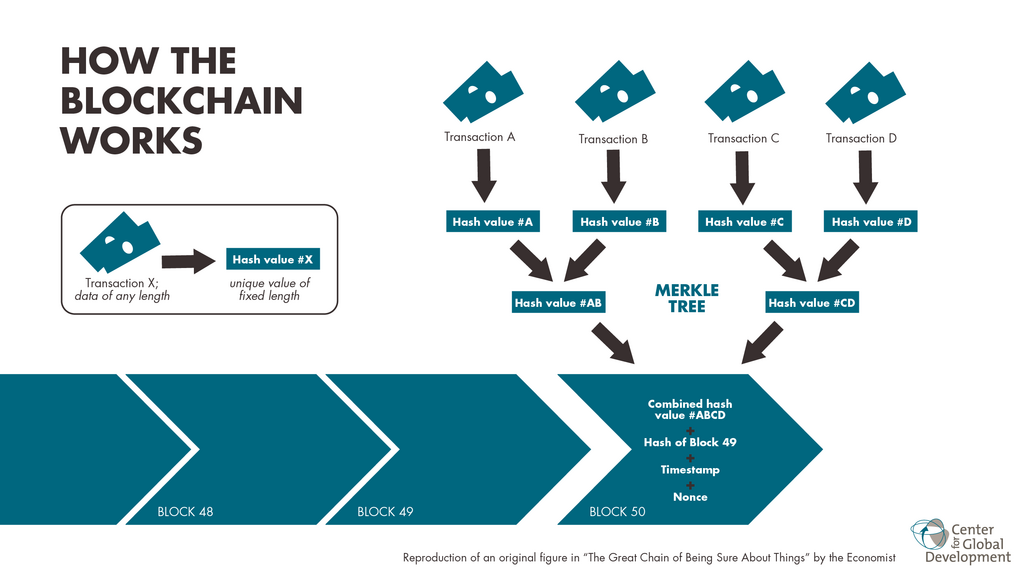
When an NFT is created, or "minted," information about it gets stored on the blockchain. This information includes a unique ID, its creation date, and a history of who has owned it. This public record allows anyone to verify the NFT's authenticity and trace its ownership history from the creator to the current owner. It's this transparency and security that makes digital ownership possible.
A Quick History
While NFTs exploded in popularity in 2021, they've been around for longer. The idea of using blockchains for digital assets began to take shape around 2012-2014. One of the first well-known applications was CryptoKitties, a game launched in 2017 that allowed players to buy, collect, and breed unique digital cats.
Each CryptoKitty was an NFT. Some rare digital cats sold for tens of thousands of dollars, demonstrating that people were willing to pay for unique digital items. This opened the floodgates for other applications, especially in the world of digital art and collectibles.
Non-fungible tokens (NFTs) are digital assets stored on a blockchain representing real-world objects such as art or collectibles.
Artists began to see NFTs as a way to sell their work directly to collectors, bypassing traditional galleries and auction houses. This gave them more control over their creations and a way to earn royalties on future sales. Similarly, collectibles, from digital trading cards to iconic moments in sports history, found a new home on the blockchain.
Now that you understand the basics, let's test your knowledge.
Which of the following best describes the concept of "fungibility"?
True or False: NFTs and cryptocurrencies are essentially the same because they both use blockchain technology.
These initial uses in art and collectibles were just the beginning, paving the way for the broader applications we see today.