NFT Utility Beyond Art
Introduction to NFTs
What Are NFTs?
An NFT, or non-fungible token, is a unique digital identifier that proves ownership of an asset. Think of it as a digital certificate of authenticity. These tokens are recorded on a blockchain, which is a secure and public digital ledger.
NFTs—non-fungible tokens—are digital assets that confer unique ownership of an item or data record.
The key word here is "non-fungible." It means something is one-of-a-kind and cannot be replaced with something else. For example, a one-dollar bill is fungible. You can trade it for any other one-dollar bill, and you still have the same value. A painting like the Mona Lisa, however, is non-fungible. There's only one original, and you can't swap it for another.
NFTs work the same way for digital items. They can represent ownership of anything from digital art and music to virtual real estate or even a ticket to an event. Each NFT has a unique digital signature, making it impossible to exchange it for another on a one-to-one basis.
NFTs vs. Cryptocurrencies
Both NFTs and cryptocurrencies like Bitcoin or Ethereum are built on blockchain technology. But they serve very different purposes. The main difference lies in that concept of fungibility.
| Feature | Cryptocurrencies (e.g., Bitcoin) | NFTs (Non-Fungible Tokens) |
|---|---|---|
| Fungibility | Fungible | Non-Fungible |
| Value | Each unit has the same value | Each token is unique and has its own value |
| Purpose | A medium of exchange; a store of value | To represent ownership of a unique asset |
| Example | One Bitcoin is identical to another Bitcoin | One digital artwork NFT is completely unique |
Cryptocurrencies are meant to be used as currency. Their interchangeability is essential for them to function in transactions. NFTs, on the other hand, are designed to prove ownership of a specific, distinct item. You can't pay for a coffee with a digital concert ticket, and you can't use an NFT representing a piece of art to buy groceries. They're built from the same technological cloth, but tailored for entirely different jobs.
A Quick History
The idea behind NFTs isn't brand new. It began with the concept of "colored coins" on the Bitcoin blockchain around 2012. These were attempts to attach real-world assets to small amounts of Bitcoin, essentially "coloring" them with extra information to make them unique. However, the Bitcoin network wasn't ideal for this.
The concept really took off with the launch of the Ethereum blockchain. Ethereum's more flexible platform allowed for the creation of specific token standards, like ERC-721, designed specifically for non-fungible assets. This paved the way for projects that brought NFTs into the spotlight.
One of the earliest popular NFT projects was CryptoKitties, a game launched in 2017 where users could collect, breed, and trade unique digital cats. Its popularity famously congested the Ethereum network, demonstrating the massive potential and interest in digital collectibles.
How Blockchain Makes It Work
So, what makes NFT ownership secure and verifiable? The answer is blockchain technology. A blockchain is a distributed, immutable ledger. Let's break that down:
-
Distributed: The ledger isn't stored in one central place. It's copied and spread across a vast network of computers. This makes it incredibly difficult for anyone to tamper with, as they'd have to alter the record on thousands of computers simultaneously.
-
Immutable: Once a transaction (like the sale of an NFT) is recorded on the blockchain, it cannot be changed or deleted. It's there permanently. This creates a transparent and unbreakable chain of ownership.
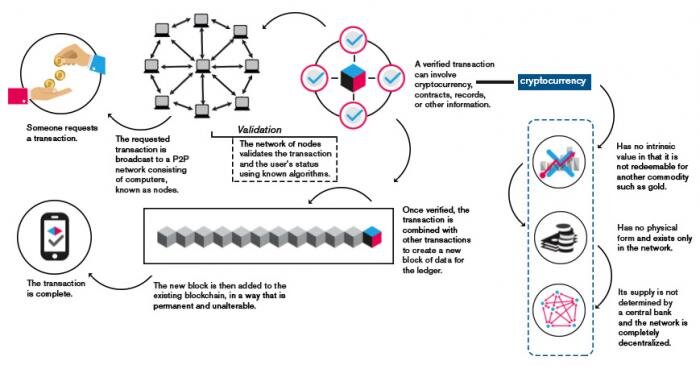
When an NFT is created, or "minted," its information is added as a block to the chain. Every time it's sold or transferred, a new transaction is recorded. This creates a clear, publicly accessible history of the asset from its creation to its current owner, all without needing a central authority like a bank or an auction house to verify it.
Now, let's test what you've learned about the fundamentals of NFTs.
What is the primary function of a non-fungible token (NFT)?
Which of the following is the best example of a non-fungible item?
Understanding these basics is the first step. You now know what makes an NFT unique and how blockchain technology secures its authenticity and ownership.