NFT Utility Beyond Art
Introduction to NFTs
What Makes a Token Non-Fungible?
You’ve likely heard of cryptocurrencies like Bitcoin. You can trade one bitcoin for another, and they are essentially identical in value and function. This property is called fungibility.
Non-Fungible Tokens, or NFTs, are different. The 'non-fungible' part means each one is unique and cannot be replaced with another identical token. Think of it like the difference between a $20 bill and the Mona Lisa. You can swap one $20 bill for another; they’re interchangeable. But there is only one original Mona Lisa. You can't swap it for another.
Fungible
adjective
Able to be replaced by another identical item; mutually interchangeable.
NFTs are digital certificates of ownership for a specific asset, recorded on a blockchain. This asset can be anything digital: a piece of art, a song, a video game item, or even a ticket to an event. The NFT doesn't usually store the asset itself, but it points to it and, most importantly, proves who owns it.
Non-fungible tokens, known as NFTs, are electronic identifiers confirming a digital collectible is real by recording the details on a digital ledger or database known as a blockchain.
This unique, verifiable ownership is what makes NFTs powerful. Because all transactions are recorded on a public blockchain, anyone can trace the ownership of an NFT back to its creator, verifying its authenticity and history.
| Feature | NFTs | Cryptocurrencies |
|---|---|---|
| Uniqueness | Each token is unique | Tokens are identical |
| Interchangeability | Not interchangeable | Interchangeable (fungible) |
| Represents | Ownership of a specific asset | A unit of value or currency |
| Example | A digital artwork | One Bitcoin |
How an NFT Is Born
Creating an NFT is called 'minting.' This process involves taking a digital file, like a JPEG or an MP3, and turning it into a digital asset on a blockchain, most commonly the Ethereum blockchain. Minting creates a smart contract that governs the NFT's properties, such as its authenticity and ownership trail.
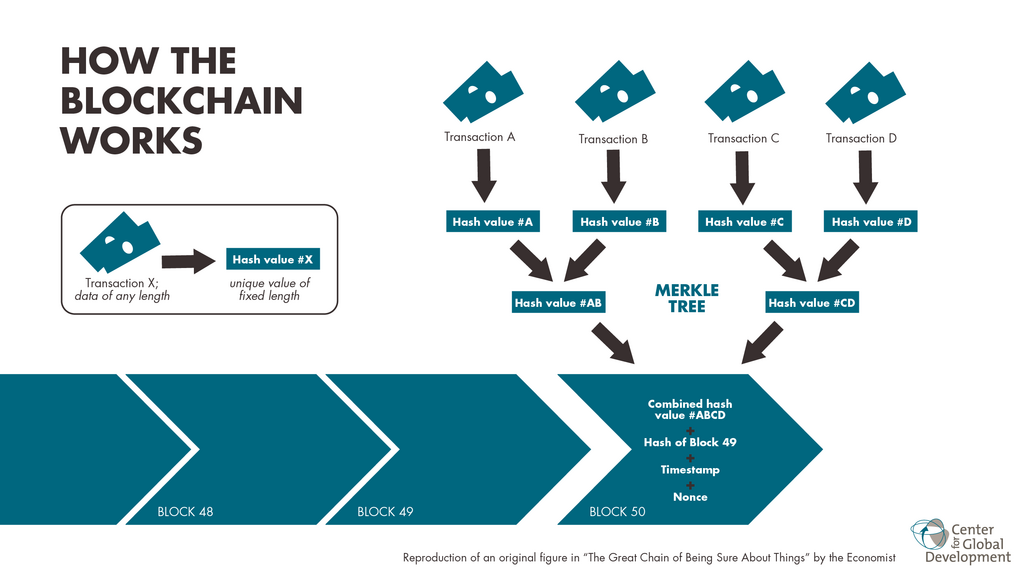
Once minted, the NFT exists as a token on the blockchain. It can be bought, sold, or traded on specialized marketplaces. Every time the NFT changes hands, the transaction is added to the blockchain, creating a permanent and public record of its ownership history.
Think of minting as creating a digital passport for an item, complete with a permanent record of its origin and every place it has been.
Early Experiments
While NFTs exploded in popularity in the early 2020s, the idea has been around for a while. One of the earliest concepts was 'Colored Coins,' which emerged around 2012. These were small denominations of bitcoin that could be 'colored' with distinct information to represent real-world assets like stocks or property.
However, the project that truly brought NFTs into the spotlight was CryptoKitties in 2017. This was a game built on the Ethereum blockchain where users could buy, sell, and breed unique digital cats. Each cat was an NFT, and some rare ones sold for thousands of dollars. CryptoKitties demonstrated how digital scarcity could create real-world value and paved the way for the wave of digital art and collectibles that followed.
These early projects were crucial. They showed that blockchain technology could be used for more than just digital currency, establishing a foundation for verifiable ownership of unique digital items.
Which of the following best describes the concept of "non-fungibility"?
What does an NFT primarily represent?
This covers the fundamentals of what NFTs are and how they work. They represent a major shift in how we think about ownership in the digital world.